Visiting UN High Commissioner for Human Rights Shows Concerns on Critical Aspects Affecting Crises Zones in Cameroon

Visiting UN High Commissioner for Human Rights Shows Concerns on Critical Aspects Affecting Crises Zones in Cameroon

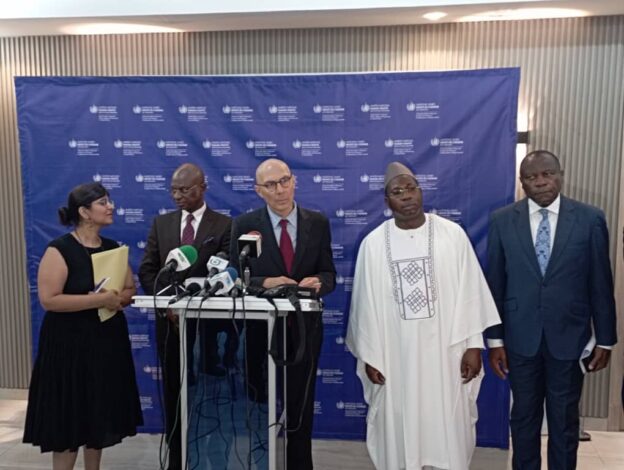
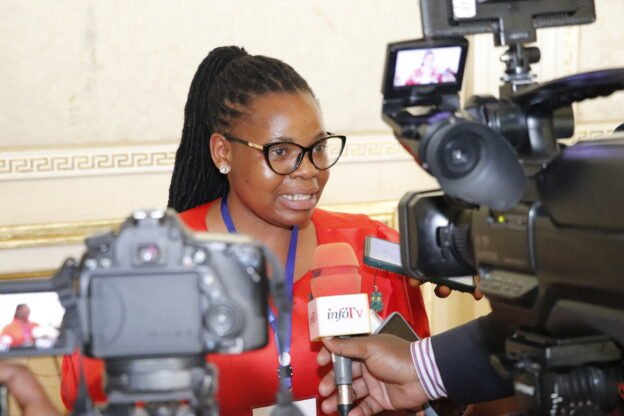
At the end of his official visit to Cameroon, the United Nations High Commissioner for Human Rights, Volker Türk granted a press conference on Wednesday, 7th of August 2024. Volker Türk, United Nations Human Rights Chief, declared on August 7, 2024, after concluding a three-day working visit in Cameroon. The Patron of Human Rights in the United Nations had a tight working agenda from the 5th to the 7th of August 2024, audiences with top government officials and a conference at the International Relations Institute of Cameroon marked that. He praised the warm welcome offered to him by officials who openly shared with him a wide range of issues linked to human rights. As a country where Mr. Volker Türk has a strong connection and engaged personally on the field for several years, he felt at ease to come back for an official visit as he described. In his declaration, the UN High Commissioner for Human Rights, Volker Türk said: “Cameroon today faces multiple complex human rights challenges – but also opportunities, particularly given its extremely youthful population, with more than 40 percent of Cameroonians under the age of 14, as well as a vibrant civil society. Globally, young people are influencing action on issues of national and international importance, prompting social change – climate change, equality, accountability, and more. The electoral process in Cameroon, leading up to the 2025 and 2026 elections, is a key opportunity to reinforce political inclusiveness and facilitate the participation of all segments of society, including young people, women, populations in conflict-affected areas, displaced people, and people with disabilities, to ensure the free expression of political opinions. To make sure the space is protected for robust discussion and debate on how to tackle the challenges together, as a country.” He went further to outline some difficult challenges that need to be addressed by government officials, such as the three simultaneous security crises that have been plaguing different parts of Cameroon. Volker Turk mentioned the Far-North region that is persistently under the threats of Boko Haram terrorists; and the North-West and South-West regions that are at the heart of a crisis that sparked since 2016. He pointed out: “The situation in the North-West and South-West regions, with ongoing serious human rights abuses and violations against the civilian population; the impact of the attacks by Boko Haram-affiliated and splinter groups in the Far North region; and the spillover effects of the crisis in the Central African Republic in the East. Cameroon is also located in a region strongly affected by the climate crisis, particularly in the Far North region. As we see in many parts of the world today, drought, erratic rainfall, and increasing desertification in the Lake Chad Basin have triggered tensions and violence, sometimes between herder and farmer communities. Cameroon is an important refugee-hosting country. As of June this year, around 1 million people were also internally displaced in Cameroon, and a total of 3.4 million needed humanitarian assistance, out of a population of 27 million.”   UN Human Rights Chief expressed his worry as the current crisis in the affected regions of Cameroon not only leads to unlawful killings, human rights abuse, and violations but also affects the education of over 700.000 children who are denied the right to go to school. “In the North-West and South-West regions, what began as peaceful protests in 2016 has turned into a major crisis for the civilian population, with clashes between separatist groups, other armed groups, and security forces, including the military, leaving thousands killed, hundreds of thousands displaced, and the denial of the right to education to more than 700,000 children. Reports continue to emerge of human rights violations and abuses, including unlawful killings, ill-treatment and torture, kidnappings for ransom, and restrictions on freedom of movement. The imposition of “lockdown Mondays” by separatist groups, preventing children from going to school, and people from accessing their livelihoods, at the risk of being shot – this is unacceptable and should be roundly condemned. No stone should be left unturned in efforts to silence the guns and bring this untenable crisis to an end – through dialogue with those who have grievances and demands, through accountability for the perpetrators of human rights violations and abuses, and reconciliation measures, including an evaluation of existing Disarmament, Demobilization and Reintegration (DDR) processes for certain members of armed groups.”  He added. The occasion was also well seized to unveil to media practitioners some recommendations of his fruitful working sessions with government officials. Volker Turk called on the government to facilitate humanitarian access to areas affected by conflict and urged the government to revise the 2014 anti-terrorism law in this regard. Moreover, he proposed to authorities an assessment mission by UN Human Rights teams in order to diagnose once again the situation on the ground. “My Office is ready to provide advice and assistance. I have asked the authorities to facilitate an assessment mission by a team of UN human rights officers to the North-West and South-West regions to assess progress following the recommendations of our report in 2019 and conduct further evaluation of the situation. In my meetings with civil society, we discussed serious concerns over restrictions on the freedom of expression and association the right to peaceful assembly, and the need to ensure better protection of human rights defenders. 3 The period leading up to elections is always a particularly sensitive one. I called on political parties, across the spectrum, to commit publicly to the human rights cause, notably to ensure the rights to freedom of expression and peaceful assembly will be defended in the context of the 2025 and 2026 elections. Civil society organizations and journalists need to be able to carry out essential monitoring and reporting in the pre-electoral context, alongside the “Commission des Droits de l’Homme du Cameroun (CDHC)”, including countering hate speech and disinformation – without intimidation or fear of reprisal. Action on emblematic legal proceedings would help send clear messages against impunity and serve to prevent

Read More
 ELECAM Partners with Friedrich Ebert Stiftung, “Un Monde Avenir” to Boost Voter Registration

ELECAM Partners with Friedrich Ebert Stiftung, “Un Monde Avenir” to Boost Voter Registration

The tripartite agreement was signed on Tuesday, 6th of August 2024 in Yaounde. Yaounde, August 6, 2024, the head office of the Elections managing body in Cameroon, ELECAM hosted a significant partnership agreement ceremony. The partnership agreement was signed between ELECAM, the German-based foundation, Friedrich Ebert, and “Un Monde Avenir”- a coalition of civil society organizations. Speaking to media practitioners, Dr. Enow Abrams Egbe, Chairperson of the electoral board of ELECAM pointed out the impact of this newly signed partnership as a catalyst to the ongoing voters’ registration lists. He praised the newly drafted partnership and described it as timely with the upcoming 2025 elections which need to witness massive registrations on voters’ lists. Dr. Enow Abrams Egbe said: “Our main objective is to make sure that the clauses of the convention are well-respected and the final goal that we intend to have is the increase in the voter’s registration exercise, to make sure that the next elections will have greater participation.” ELECAM’s chairperson went further to outline the crucial role played by actors of the civil society in the electoral process. He reassured the press of the fact, that this partnership agreement comes in to reinforce collaborative avenues and highlights the free and fair state of ELECAM. “Collaboration with civil society is fundamental. Don’t forget that civil society is one of the stakeholders in the electoral process and so we want to let the world know, the Cameroonians in particular and our electors especially, that there is transparency, inclusive, free, and fair participation in elections, and in all what we do in Cameroon.” Dr. Enow Abrams Egbe narrated. On his part, the national Coordinator of “Un Monde Avenir”, Mr. Nanga Phillippe said through this newly signed partnership accord, his Non-governmental organization is bringing its participation in terms of setting up the pace for teams of youths who will work on the field to amplify calls for voters’ registration. He stated that “Un Monde Avenir” is a coalition of civil society organizations that actively participate in free, fair, and equitable elections in Cameroon. His NGO is supported by several well-known organizations such as REDHAC, NDH, “Dynamic Citoyenne.” Mr. Nanga indicated that his organization will set up teams of thousands of young people who will be deployed all over the 360 councils that make up Cameroon, to assist the teams of ELECAM on the ground. He also pointed out the fact that they have put in place a component dedicated to electoral education which features in the missions assigned to his organization. Through this component, they educate people and make them understand the stakes in the electoral process. According to Philippe Nanga, one of the main challenges of “Un Monde Avenir” in this newly sealed partnership is to create an effective and active population participation in the upcoming elections. To him, boosting voters’ registration lists is not only the task that his teams will conduct but also to boost participation. “The more people participate, the more there is trust, security, and legitimacy.” He said. Christian Klatt, Resident Representative of the Friedrich Ebert Stiftung in Cameroon saluted this innovative approach which seeks to include all citizens in the electoral process. This historic deal was signed in the presence of some officials of the Friedrich Ebert Stiftung, the Non-Governmental Organization- “Un Monde Avenir” and ELECAM’s Director General, Dr. Erik Essousse.   Elise Kenimbeni

Read More
 PLATFORM UNITY CAMPAIGNS, PROMOTES HUMAN RIGHTS IN CAMEROON

PLATFORM UNITY CAMPAIGNS, PROMOTES HUMAN RIGHTS IN CAMEROON

The Platform UNITY has launched series of sensitizations and campaigns that aimed at promoting and protecting the rights of Sexual and Gender Minorities(SGM) within the framework of one of their flagship project dubbed: “TOGETHER”. These campaigns of the project TOGETHER are out to highlight the need for the respect of Human Rights, and to show how all Human Beings are equal despite their sex, age, race, sexual orientation and diversity. These campaign messages are in line with the Universal Declaration of Human Rights which calls for equality amongst human beings as stated for instance in Articles 1 and 2. Article 1 All human beings are born free and equal in dignity and rights. They are endowed with reason and conscience and should act towards one another in a spirit of brotherhood. Article 2 Everyone is entitled to all the rights and freedoms set forth in this Declaration, without distinction of any kind, such as race, colour, sex, language, religion, political or other opinion, national or social origin, property, birth or other status. Furthermore, no distinction shall be made on the basis of the political, jurisdictional or international status of the country or territory to which a person belongs, whether it be independent, trust, non-self-governing, or under any other limitation of sovereignty. The Platform UNITY, abbreviated as PFU is a network of 34 organizations promoting and protecting the rights of Sexual and Gender Minorities in Cameroon. It was created on the 21st of October 2016 with the motto: Liberty, Equality, Harmony. Listen to the audio spot below, in English and French.

Read More
 United Nations Human Rights Chief, Volker Türk Kicks-off official visit to Cameroon Today

United Nations Human Rights Chief, Volker Türk Kicks-off official visit to Cameroon Today

According to a press release from the United Nations Human Rights Office of the High Commissioner, Mr. Volker Türk is expected in Cameroon for a three-day working visit. GENEVA (2 August 2024) – UN High Commissioner for Human Rights Volker Türk conducts an official mission to Cameroon from the 5th to the 7th of August. During his visit, Türk is scheduled to meet senior Government officials, including the President of the Republic, Paul Biya, and Prime Minister, Head of Government, Joseph Dion Ngute, as well as members of a wide range of political parties, officials of the Cameroon Human Rights Commission, representatives of civil society organizations, members of the diplomatic corps, and UN entities. The Human Rights Chief will also inaugurate new premises for the Central Africa Regional Office (OHCHR-CARO) in the capital Yaoundé. The Office covers Burundi, Cameroon, Central African Republic, Chad, Congo, Democratic Republic of Congo, Equatorial Guinea, Gabon, Rwanda, and São Tomé and Príncipe. This is the first visit by High Commissioner Türk to Cameroon. Turk’s predecessor visited the country in May 2019. A press conference will be held on Wednesday, 7 August in Yaoundé. Timesnews2.info  

Read More
 2ème Edition du Forum sur l’Autonomisation Economique de la Femme : Le RADD Met en Vitrine l’Agroécologie Paysanne

2ème Edition du Forum sur l’Autonomisation Economique de la Femme : Le RADD Met en Vitrine l’Agroécologie Paysanne

La deuxième édition du Forum sur l’Autonomisation Economique de la Femme (FAEF) qui se tient du 1er au 3 Août 2024 dans la ville d’Esse, département de la Mefou et Afamba, région du Centre a déjà planté le décor.  Au Cameroun, le Forum sur l’Autonomisation Economique de la Femme (FAEF) est désormais un rendez-vous à ne pas manquer pour tous les passionnés de l’économie rurale. A peine lancée, cette initiative du Réseau des Acteurs du Développement Durable (RADD) fait déjà parler d’elle à travers ses premières actions engagées lors de l’édition numéro une qui s’est tenue dans la ville d’Esse dans la Mefou et Afamba, région du Centre. L’évènement qui se tient du 1er au 3 Août 2024 a pour objectif principal de promouvoir l’agroécologie paysanne et les métiers verts comme solutions résilientes au changement climatique. Le RADD œuvre pour le développement inclusif et durable. Pour atteindre cet objectif, le réseau s’est fixé quatre axes d’actions dont l’autonomisation économique de la femme. Dans le cadre de ce programme, le RADD a organisé en 2023 le Forum sur l’Autonomisation Economique de la Femme (FAEF).  Selon la Secrétaire Exécutive du RADD, Mme NGOBO Marie Crescence, le FAEF se veut être non seulement une activité de promotion de l’entreprenariat rural et l’autonomisation des femmes et jeunes filles, mais c’est aussi une rencontre par laquelle le RADD entend transmettre aux apprenant(e)s sa riche et longue expérience de plus de 15 ans dans les domaines d’accompagnement, de création ainsi que dans le développement des unités de transformation des produits agro-pastoraux et forestiers. Avec à ce jour plusieurs actions axées sur les changements climatiques, l’économie verte, le RADD est donc le partenaire idéal dans l’accompagnement des familles paysannes, qui sont la mamelle nourricière au Cameroun. Comprendre la thématique de cette 2ème édition Pour ce deuxième rendez-vous qui mobilise des centaines de femmes, jeunes filles et même des hommes, le RADD s’est appuyé sur le thème : « l’Agroécologie paysanne, levier de développement d’une économie rurale, résiliente aux effets du changement climatique ». D’après le RADD, cette année le choix du thème n’a pas été fait de manière hasardeuse, il s’appuie sur le fait que la saison culturale qui est en cours au Cameroun marquera l’histoire du développement de l’économie rurale. Commencées en fin février, les précipitations vont alterner entre les petites pluies et les longues périodes de rude sécheresse, caractérisées par des températures très élevées. Dans les champs, certaines graines n’ont pas germé. Celles qui l’ont fait ne poussent pas de façon normale. La situation présage de mauvaises récoltes et de façon conséquente, la famine, la baisse drastique des revenus des femmes rurales, la paupérisation. Comment la cultivatrice peut-elle, en ces temps de changement climatique, maintenir son niveau de production, donc ses revenus. La menace des mauvaises récoltes et de perte de semences paysannes est réelle, et c’est tout le système cultural qui est en danger d’où l’urgence de l’action. Et pour palier a ces nombreux défis qui relèvent des changements climatiques dans notre pays notamment avec ces mauvaises récoltes, le FAEF ouvre un espace d’échanges, de partages d’expériences entre les acteurs du monde rural, particulièrement les femmes, pour trouver des solutions locales, adéquates et durables pour une production vivrière dans un contexte de changement climatique. De la production à la transformation, des experts dans les différents domaines vont édifier les femmes, et les jeunes en congés sur les techniques qui leur permettent de s’adapter au changement climatique ou de construire leur résilience. Les présents termes de référence reviennent sur la structure d’objectifs de cette initiative ainsi que les activités et les résultats prévisionnels. C’est donc un nouveau challenge pour le RADD, qui a, à la première édition lancée le FAEF sur le thème : « Femmes Autonomes Souveraines de leur Alimentation » Les Participants du FAEF  Le FAEF qui s’inscrit désormais comme un rendez-vous d’échanges et de partages a pour cibles de nombreux participants. La ville d’Esse a accueilli des centaines de femmes et jeunes filles, et au compteur l’on a dénombré plus de 200 participants. Les différentes cibles sont :les femmes et particulièrement les femmes rurales qui subissent de plein fouet les effets du changement climatique ; les jeunes filles surtout les jeunes filles mères afin qu’elles puissent y trouver un déclic, et partir de ces formations, créer une source de revenus stable et viable pour l’éducation de leur famille ; les jeunes vacanciers, c’est la période des vacances, ces enfants et ces jeunes doivent se frotter aux apprentissages pratiques afin qu’ils commencent à construire leur autonomie économique.  Bref aperçu du RADD Le RADD est une association de droit camerounais créée en 2009 sous le récépissé n°000223/RADD/J06 du 02 Mars 2009, lutte contre les injustices socioéconomique, environnementale, climatique et œuvre pour un développement inclusif et durable. En effet, depuis plus de 15 ans, le RADD travaille sur l’amélioration des conditions de vie des populations vulnérables en mettant un accent sur l’autonomisation et l’indépendance économique de la femme et de la jeune fille. De 2009 à nos jours le RADD a formé des milliers de femmes à la création et au développement des activités génératrices de revenus par la valorisation des produits locaux issus de nos différentes exploitations familiales.   Le RADD comme bon nombre d’associations et organisations a base communautaires œuvre pour l’atteinte des Objectifs du Développement Durable (ODD) et met l’accent sur la nécessité de rendre les femmes autonomes afin qu’elles contribuent pleinement au processus de développement durable dans notre pays. Elise Kenimbeni

Read More
 At Launch of International Day of Indigenous People, Stakeholders Recommit to Tackle Social Exclusion

At Launch of International Day of Indigenous People, Stakeholders Recommit to Tackle Social Exclusion

Social Affairs Minister, Pauline Irene Nguene officially launched on Friday, 26th July 2024, the 30th edition of the International Day of Indigenous People in Yaounde.  On Friday, July 27, 2024, in Yaounde, Cameroon’s nation capital, the Ministry of Social Affairs (MINAS) in partnership with local and international organizations launched the 30th edition of the International Day of Indigenous People. Ahead of the celebration of this year’s edition of the International Day of Indigenous People which takes place every 9th of August, government officials, and leaders of international and civil society organizations agreed to fully integrate indigenous people in activities that will alleviate their living conditions. During the presentation of stakes and challenges of this celebration, Georges Edmond Makita, Director in charge of national Solidarity and Social Development said despite the vast programmes that have been set in motion by the government through the Ministry of Social Affairs, there are many incentives which could put in place by some organizations. He said projects that are often carried out by organizations have to take into account aspects of safeguarding and the environment. Mr. Makita Georges Edmond underscored the need to examine some social programmes at the level of community-based organizations, so as to fit in social aspects that will positively impact the lives of Indigenous persons. As mentioned in his presentation, the Director in charge of national solidarity and social development outlined the fact that, transformative projects are crucial in achieving Sustainable Development Goals (SDGs), and which could only be attained if some policies are fully implemented in the field. Also, during the launch, the World Wildlife Fund (WWF) as one of the key international organizations that collaborate with MINAS for the well-being of Indigenous people, was given the floor to highlight some of its major activities that incorporate Indigenous groups like the Baka and Bagyeli in the East region. According to WWF’s representative, a series of projects to help empower indigenous communities to participate in important management processes such as revenues from lands and agro-pastoral activities are undertaken in some regions of the country. To officially launch the International Day of Indigenous People’s two-weeklong activities, the Head of MINAS in Cameroon, Madam Nguene Pauline Irene said this 30th edition is placed under the theme: “Protecting the Rights of Indigenous Peoples in Voluntary Isolation and Initial Contact”. The theme of this 30th edition as outlined is a critical understanding of the pivotal role that indigenous people play in our societies. As indicated, Indigenous Peoples in voluntary isolation and initial contact are the best protectors of the forest. Where their collective rights to lands and territories are protected, the forests thrive, alongside their societies. And not only is their survival crucial to the protection of our planet, but it is also crucial to the protection of cultural and linguistic diversity. Pauline Irene Nguene went further to note that this year’s celebration of the International Day of Indigenous People comes in a particular context as Cameroon is about to hold inclusive and peaceful elections, which calls for a massive mobilization of the population without discrimination. The timely celebration is also a moment to call for all Indigenous people to massively register on voters’ lists ahead of the presidential elections. Minister Pauline Irene Nguene said: “In his general orientation speech at the beginning of 2023, the Head of State prescribed the continued implementation of policies for the social inclusion of vulnerable society groups. In line with this, the Ministry of Social Affairs has made the inclusion of groups with specific vulnerabilities a priority orientation for all its major activities, in this case, the celebration of days dedicated to them. Again, beyond the permanent advocacy and sectoral actions undertaken by the various stakeholders, citizenship education for Indigenous Peoples would genuinely enable them to exercise their right to participate in public life in several areas, and bring about the desired changes for their social inclusion: for these communities, it is a question of ensuring their participation in social and economic life, their involvement in political life, in a nutshell, their participation in sustainable development. It is the exercise of this right to participation that would guarantee the feeling of belonging to the national community, and therefore the social inclusion of Indigenous Peoples and communities.” Another issue highlighted by Minister Nguene Pauline Irene in her keynote address is that of engaging Indigenous people in all decision-making processes; their active participation in citizenship for sustainable development and most importantly the respect for their rights. Elise Kenimbeni

Read More
 DROITS HUMAINS : LA PLATEFORME UNITY SENSIBILISE SUR L’HUMANISME

DROITS HUMAINS : LA PLATEFORME UNITY SENSIBILISE SUR L’HUMANISME

Dans le cadre de son projet dénommé : “TOGETHER”, la Plateforme Unity poursuit sa campagne nationale qui a pour objectif de promouvoir l’inclusion sociale et de lutter contre les fléaux qui minent notre société. A travers ce spot en anglais et français, la Plateforme Unity plaide pour une approche à la compréhension des choix de vie et d’orientation de chaque être Humain. Les êtres humains sont tous les mêmes et jouissent des mêmes droits quel que soit leur orientation sexuelle. Vivre sans critiquer son prochain tel est le message clé dudit spot. Et de promouvoir la tolérance entre êtres humains. Le projet dénommé : « TOGETHER » qui est à sa deuxième année d’implémentation grâce au soutien de l’Union Européenne, veut apporter sa contribution à l’édification d’une société où les inégalités, l’intolérance, la discrimination et la stigmatisation ne feront plus autant de victimes. La Plateforme Unity, réseau des organisations à base communautaire a initié cette campagne de promotion des droits humains et d’éducation sur les questions de genre et d’identité. ECOUTEZ LE SPOT AUDIO EN ANGLAIS ET FRANÇAIS

Read More
 Cameroon’s Stigma Index 2.0 Survey Reveals 14.75% of People Living with HIV Abandon Health Care Services

Cameroon’s Stigma Index 2.0 Survey Reveals 14.75% of People Living with HIV Abandon Health Care Services

The survey carried out by a team of consultants recruited by Care Cameroon in collaboration with RéCAP+ was presented in a strategic meeting held on July 18, 2024, in Yaounde. During the meeting held on July 18, 2024, aimed at presenting studies carried out for the 2023-Stigma Index 2.0 National Survey on People Living with HIV in Cameroon, several key statistics were disclosed. The objective of the PLHIV Stigma Index 2.0 Survey is to estimate the prevalence and nature of HIV-related stigma and discrimination against people living with HIV(PLHIV) to develop an evidence base and a broader understanding to inform HIV response in Cameroon. Tackling Stigmatization & Discrimination In his address, Jean Jules Kamgue, Executive Director of the Cameroon Network of Associations of People Living with HIV/ AIDS (RéCAP+) saluted the support of the government through the Ministry of Public Health, Regional Delegations, and Community-Based Organizations for their contributive efforts in this survey. Mr. Kamgue said the studies which were carried out in all 10 regions of Cameroon have enrolled 2439 people living with HIV out of the minimum size of 2400 that were targeted, giving an expected rate of 101.6%. At the end, only 2104 participants were retained for interviews following some eligibility criteria. Amongst the people interviewed 62.6% of the participants were of female sex while 37.4% of male sex. He went further to outline that, 24% of these participants were Key Populations(KPs), and the majority, that is 55.4% were Sex workers. According to the results highlighted in this crucial study as he said, stigmatization is a predominant hindrance that greatly affects the eradication of HIV/AIDS. The Executive Director of RéCAP+, Jean Jules Kamgue, seized this meeting to advocate for concerted actions that will help strangle the scourge of stigmatization and discrimination in our communities to achieve the expected 95-95-95 targets by 2030. Chairing the meeting on behalf of the Minister of Public Health, Permanent Secretary of the National AIDS Control Committee (NACC) said in 2022, the number of people living with HIV in Cameroon was estimated to be 480.228. Today the number of new cases is estimated to be 9.900 which shows a drastic dropout though there are still some challenges to uplift. Dr. Fokam Joseph said despite calls to tackle stigmatization and discrimination which are relevant to the achievement of 2030 targets, there is also the need to fight the upsurge of new infections which are increasing among key populations in Cameroon. NACC’s Permanent Secretary in his keynote address also outlined the legal protection framework that Cameroon instituted, which is a move to protect all human beings. He said the Cameroonian labour code prohibits all forms of discrimination at work, at school, and in enterprises as well. Curbing HIV treatment barriers Taking the floor to unveil key findings of the national survey, Dr. Mfochivé Njindam Iliassou, international consultant and principal investigator of this study said stigma remains one of the main barriers preventing PLHIV from accessing health care. “HIV-related stigma and discrimination lead to poor mental health, low uptake of services, and low adherence to antiretroviral(ARV) drugs. Stigma is more pronounced among healthcare workers, although there is self-stigma on the part of PLHIV. Indeed, the 2017 pilot survey-PLVIH Index 2.0 revealed that 14.75% of PLHIV chose not to seek health care services because of their HIV status.” Dr. Mfochivé Njindam mentioned the fact that 17.2% of the study participants reported they had already suspended or stopped their antiretroviral therapy out of fear that their partner, family, or friends would find out about their HIV status. Also, it was disclosed that many KPs reported avoiding visiting health facilities to receive health care services because of their HIV status (1.6%), gender identity (0.4%), sexual orientation (3.4%), or sex workers (13.4%). The survey states that: “Even after living with HIV for two years, study participants reported avoiding clinics or health centers when they needed them (8.2%). These participants were also the most frequent to report mental health-related problems (8.6%).” Leaders and representatives of Community-Based Organizations present at this strategic meeting unanimously called for the government to intensify the fight against HIV/AIDS with their support, on stigmatization and discrimination as the two main cancerous scourges plaguing the eradication of this pandemic. According to the UNAIDS 2018 Annual Report, Cameroon is the second country most affected by HIV infection in the West and Central Africa Region. Overall, HIV prevalence among people aged 15-49 years has declined progressively: 5.4% in 2004, 4.3% in 2011, and 2.7% in 2018. It is concentrated in certain specific groups such as among sex workers (SW 24.3%) and Men having sex with Men (20.6%). The fight against HIV has been centered around a national vision, which is to put an end to AIDS as a threat to public health by 2030, by reducing new infections, deaths, and stigma associated with HIV. The country is on track to achieve the global 95-95-95 target that is: 95% of people with HIV know their status, 95% of those who know their status are on treatment, and 95% of those on antiretroviral have a suppressed viral load. About the Stigma Index The stigma index is a joint initiative of a partnership between the Global Network of People Living with HIV(GNP+), the International Community of Women Living with HIV(ICW), the International Planned Parenthood Federation (IPPF), and the Joint United Nations Programme on HIV/AIDS (UNAIDS). As outlined in the Stigma Index, this survey is an evidence-gathering process for advocacy and its main programme component focuses on community-led research to produce quality data. The overall programme goes beyond research and includes community mobilization, capacity development, and partnership building for targeted advocacy. This survey stands as the most extensive and reliable tool for measuring the stigma and discrimination experienced by PLHIV, providing important evidence that can contribute to the establishment of adequate policies and laws for creating a stigma and discrimination-free environment for PLHIV. Elise Kenimbeni

Read More
 MINAS & Care International Seal Partnership Agreement to Better Living Conditions of Socially Vulnerable Persons

MINAS & Care International Seal Partnership Agreement to Better Living Conditions of Socially Vulnerable Persons

The Ministry of Social Affairs and Care International signed a Memorandum of Understanding on Friday, 19th of July, 2024 in Yaounde. Chaired by the Minister of Social Affairs, Pauline Irène Nguene, the ceremony was aimed at officially presenting the Memorandum of Understanding (MoU) and the joint Action Plan of the Ministry of Social Affairs (MINAS) and that of Care International for the period 2024-2026. In his address, the Director of Care International, John Mubalama Kashamba, presented the domains of collaboration and the objectives of the MOU which include the facilitation of access to basic social services such as health and education for Socially Vulnerable Persons; the fight against all types of vulnerabilities through coordinated action; transparency to gain the confidence of beneficiaries; sharing of resources where MINAS provides institutional and technical resources and where Care International provides material resources and makes good use of resources provided by the ministry. Mr. Mubalama Kashamba took advantage of his speech to appreciate the 45 years of hospitality shown to Care International by Cameroon’s government. Minister Pauline Irène Nguene in her speech highlighted actions carried out by the Ministry of Social Affairs for the socio-economic integration of Socially Vulnerable Persons. She emphasized that the contribution of partners is essential to ameliorate the living conditions of Socially Vulnerable Persons. The signing of this MOU will strengthen social inclusion and promote human capital development in line with the National Development Strategy 2030. The newly signed MoU will equally increase the intervention areas for Socially Vulnerable Persons. She concluded her speech by calling on the actors of decentralized services and Technical Operation Units to work with Care International for effective implementation of the joint Action Plan for 2024-2026 so that this MOU will positively impact the beneficiaries. The ceremony ended with the MoU sealed between Minister Pauline Irène Nguene and Mr. John Mubalama Kashamba of Care International. Timesnews2.info

Read More
 INCLUSION POUR TOUS : LA PLATEFORME UNITY ACCENTUE SA CAMPAGNE DE SENSIBILISATION ET D’EDUCATION

INCLUSION POUR TOUS : LA PLATEFORME UNITY ACCENTUE SA CAMPAGNE DE SENSIBILISATION ET D’EDUCATION

Dans le cadre de son projet dénommé : “TOGETHER”, la Plateforme UNITY ne cesse d’accentuer ses campagnes de sensibilisation et d’éducation sur des thématiques clés, telles que l’inclusion pour tous ! La Plateforme Unity souligne l’importance de l’inclusion pour tous dans le but de combattre les fléaux tels que la stigmatisation, la discrimination et les inégalités liées à l’éducation et le travail des personnes. Une campagne qui a pour objectif de promouvoir l’inclusion sociale et de lutter contre les fléaux qui minent notre société au quotidien. La plateforme Unity, réseau de 37 organisations à base communautaire a initié cette campagne de promotion des droits humains et d’éducation sur les questions de genre et d’identité. Ceci dans le cadre de son projet dénommé : « TOGETHER », qui se veut d’apporter sa contribution à l’édification d’une société où les inégalités, l’intolérance, la discrimination et la stigmatisation ne feront plus autant de victimes. Voici le spot en français et en anglais sur l’inclusion pour TOUS !

Read More