


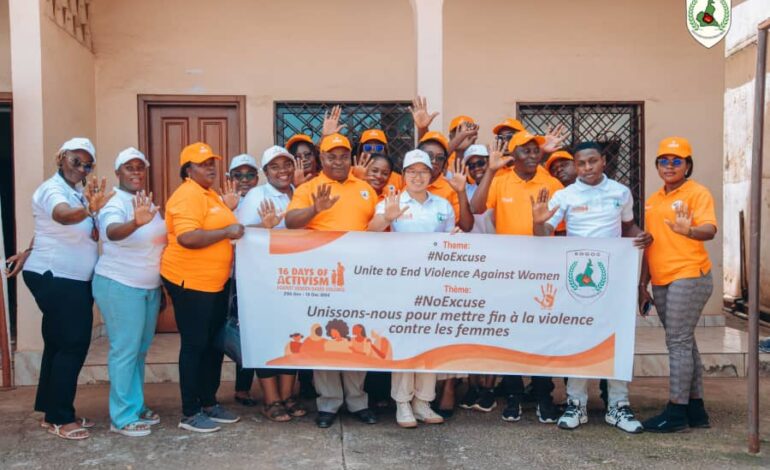
16 Jours d’Activisme contre les VBG : La SOGOC Plaide en Faveur d’un Accès des Femmes au Droit à l’Avortement Sécurisé
C’était au cours de la journée de lancement des 16 jours d’activisme contre les violences basées sur le Genre que cet appel a été réitéré par la SOGOC. C’est un autre appel que la Société des Gynécologues et Obstétriciens du Cameroun (SOGOC) a une fois de plus émis ce 25 novembre 2024 à Yaoundé. Comme il est désormais de tradition, et à travers son projet dénommé plaidoyer pour l’avortement sécurisé (PAS) ou encore ACAC, la SOGOC se joint à la communauté internationale pour commémorer les 16 jours d’activisme. Tel que l’a indiqué l’exécutif de la Société des Gynécologues et Obstétriciens du Cameroun (SOGOC), les 16 jours d’activisme contre les violences basées sur le Genre sont une période de réflexions permettant de mettre sur pieds des stratégies qui visent à éliminer ce fléau et de sensibiliser les populations afin qu’elles connaissent les conséquences néfastes des VBG. Pour la SOGOC, les 16 jours d’activisme sont également un moment de revitaliser les engagements pour mettre fin à la violence contre les femmes tout en réitérant la position de la SOGOC sur des VBG tels que les viols et nécessitant l’accès aux services complets de soins d’avortements pour ces types de cas éligibles. Une marche, une cause noble C’est sous le thème : « No Excuse, Unissons-nous pour mettre fin à la violence contre les femmes » que les différents partenaires de la SOGOC, à savoir les ministères sectoriels œuvrant pour les femmes et les jeunes filles, les organisations de la société civile et les médias ont été mobilisés ce 25 novembre 2024 au siège de la SOGOC au quartier Nkol-eton, Yaoundé. Vêtus des t-shirts et des casquettes de couleurs blanche et orange, et qui symbolisent les thèmes de cette période de sensibilisation et de plaidoyer, les partenaires de la SOGOC ont comme à l’accoutumé marché pour marquer leur engagement à cette cause noble. La marche qui a débuté à partir du siège de la SOGOC jusqu’au quartier Bastos, a permis aux différents participants de partager aux populations rencontrées dans les rues et mêmes dans des boutiques et bureaux, des flyers avec des messages de sensibilisations. Durant cette marche d’une trentaine de minutes, les participants sont allés à la rencontre de plusieurs personnes dans les rues. Et l’exercice a suscité en retour une vague de curiosité des populations qui n’ont cessé de poser des questions sur les messages inscrits sur les flyers en anglais et français. La SOGOC accentue son plaidoyer Les 16 jours d’activisme qui se tiennent du 25 Novembre au 10 Décembre de chaque année sont une campagne de lutte contre les VBG et une occasion de relancer les engagements et de demander aux décideurs de rendre des comptes et d’agir. Pour les membres de la SOGOC qui œuvre aux cotes du gouvernement c’est une période cruciale et qui appelle à des actions concrètes. Dr Ngassam Anny, Secrétaire General adjoint au sein du bureau exécutif de la SOGOC a souligné l’importance de ladite campagne. « Alors que nous nous rassemblons ici, nous devons nous rappeler que la violence basée sur le genre n’est pas qu’une statistique ; c’est une réalité pour d’innombrables individus à travers le monde. Elle se manifeste sous diverses formes—violence physique, émotionnelle et sexuelle—et elle affecte de manière disproportionnée les femmes et les filles, laissant souvent des cicatrices durables sur leurs corps et leurs esprits. » Résolument engagée dans la lutte contre les mortalités liées aux avortements clandestins ou encore non médicalisés, la Société des Gynécologues et Obstétriciens du Cameroun (SOGOC) met en vitrine durant ces 16 jours d’activisme son plaidoyer pour sauver des vies. Dr Ngassam a indiqué une fois de plus l’importance d’assister les cas des femmes et jeunes filles qui ont subi des violences telles que des viols. Elle dit : « Chez SOGOC, nous comprenons que l’accès à l’avortement sécurisé est un aspect crucial des droits et de la santé des femmes. Le refus des services d’avortement sécurisé constitue en soi une forme de violence. Cela perpétue des cycles de traumatisme, de pauvreté et d’inégalité. Lorsque les femmes ne peuvent pas prendre de décisions concernant leur propre corps, elles sont soumises à une violence supplémentaire—à la fois systémique et personnelle. Au cours de ces 16 jours, notre objectif n’est pas seulement de sensibiliser, mais d’agir. Nous devons plaider en faveur de changements politiques qui améliorent l’accès des femmes aux services d’avortement sécurisé. Nous devons soutenir les survivantes de la violence basée sur le genre dans l’accès aux soins dont elles ont besoin, y compris les services de santé reproductive. » Il était également question d’appeler le gouvernement et d’autres parties prenantes de s’engager dans le plaidoyer pour un avortement sécurisé pour des cas éligibles. « Nous appelons les gouvernements, les communautés et les individus à se joindre à nous dans ce combat. Travaillons ensemble pour créer un monde où chaque femme et chaque fille peut vivre libre de violence, où elles ont l’autonomie de prendre des décisions concernant leur propre corps sans crainte ni stigmatisation. » Il faut dire que la SOGOC qui mène sans cesse des activités communautaires sur le terrain va profiter davantage de ces 16 jours d’activisme pour organiser comme d’habitude une série d’activités avec le concours de ses partenaires. Elise Kenimbeni
Read More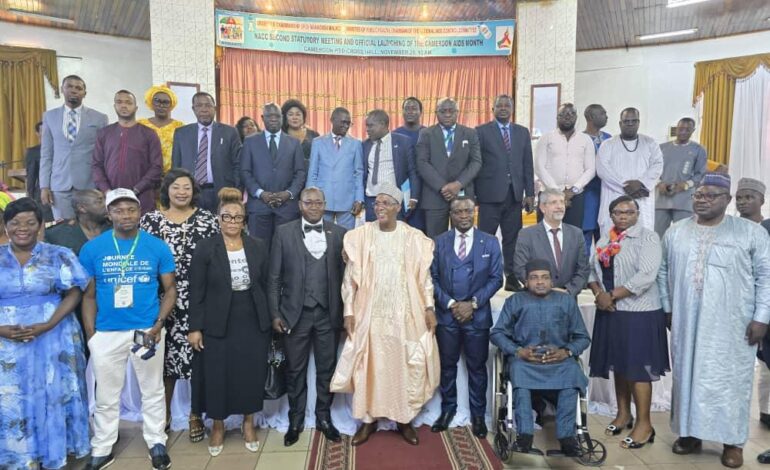
Cameroon Month Against AIDS: Gov’t, Partners Intensify Sensitization Campaigns to Reduce New Infections
Activities to mark the 9th Cameroonian month against HIV/AIDS were officially launched on November 20, 2024, in Yaounde. Dr. Manaouda Malachie, Public Health Minister and President of the National Committee for the Fight against AIDS (NACC), chaired the second statutory meeting of the National Committee for the Fight against HIV/AIDS for the year 2024 on November 20, 2024, in Yaounde. This meeting which was coupled with the official launch of the activities of the 9th Cameroonian Month for the Fight against HIV/AIDS, brought together UN representatives, government officials, civil society organizations, technical and financial partners, as well as religious and community leaders. During his key address, the Minister of Public Health praised the strides recorded so far in the fight against this disease, while making calls for reinforced mobilization, in a bid to achieve the 95–95–95 HIV testing, treatment, and viral suppression targets and eliminate the pandemic by 2030. Minister Manaouda lauded efforts deployed by various stakeholders engaged in the fight against HIV/AIDS in Cameroon, which from palpable results are encouraging. He said: “There has been a decrease of more than 26% in new HIV infections since 2018; a 16% drop in AIDS-related deaths compared to 2022. These performances, recognized by international bodies such as the WHO, UNAIDS, and PEPFAR, result from an innovative and integrated approach…” In his address, Dr Manaouda Malachie also highlighted the introduction of a three-test screening algorithm, recommended by the WHO, and the implementation of the “Pediatric Surge” strategy, which actively targets children living with HIV. He said despite the remarkable advancements in the fight against the pandemic, there are still a good number of challenges that need to be addressed. Public Health Minister equally urged stakeholders to redouble their efforts to: Achieve the 95-95-95 objectives by the end of 2025 and increase domestic resources to sustain the fight against the decline in international funding. Dr. Manaouda Malachie also insisted on the importance of community engagement, particularly among young people, often on the front line facing the risks of new infections. Reason why, he once more praised the positive impacts of the AIDS-free Holidays campaign dubbed: “vacances sans SIDA” which was initiated by the First Lady, Chantal Biya. According to the Minister of Public Health, there is a need to provide quality health care to the population to equally achieve National Strategic Plans set up by the Head of State, Paul Biya. He stated: “Ensuring equitable access to quality health services remains a national priority”. The path to eliminating HIV will be marked by an approach based on human rights, an issue which will be at the heart of the 37th World AIDS Day on December 1 under the theme: “Take the Rights Path” UNAIDS Country Director, Mr. Taoufik Bakkali said the fight against stigmatization and discrimination remains one of the challenges that still finds roots in communities. NACC’s Permanent Secretary, Dr. Fokam Joseph said the fight against HIV/AIDS is part of Vision Cameroon 2035, which aims for universal access to health care. Speaking to media practitioners, he reiterated calls for the enrollment of young girls and pregnant women in the Universal Health Coverage (UHC). Dr. Fokam said though the current HIV/AIDS prevalence rate is 2.5%, there is a need to intensify sensitization campaigns to inform people notably pregnant women who are not yet enrolled in the UHC, that there are several benefits and packages put in place by the government in hospitals for their well-being. The Permanent Secretary of the National AIDS Control Committee insisted on the fact that a pregnant woman who has been tested HIV positive can be followed till delivery. Women and their babies enrolled for the Universal Health Converge (UHC) benefit from antenatal follow-up till delivery at the unique cost of FCFA 6000. Elise Kenimbeni
Read More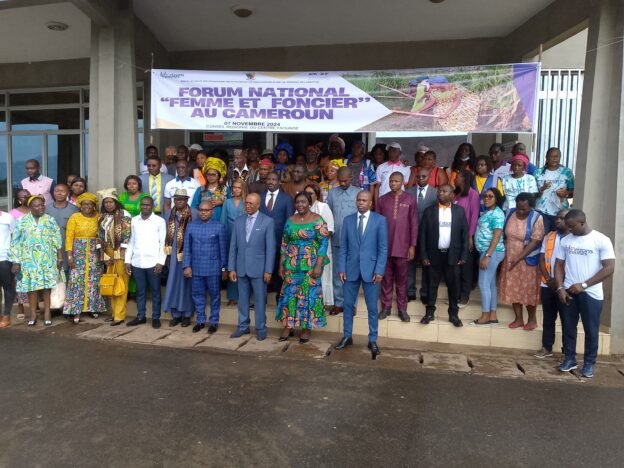
Femmes et Foncier : Seulement 26% sont Détentrices des Titres Fonciers au Cameroun
Cette annonce a été faite au cours du forum national sur les femmes et le foncier, présidé le 07 novembre 2024 par le Gouverneur de la région du Centre. Naseri Paul Bea, Gouverneur de la région du Centre est une fois de plus monté au créneau pour fustiger les mythes et pesanteurs socio-culturelles qui empêchent les femmes d’avoir accès aux terres dans plusieurs contrées du Cameroun. Le patron de la région du Centre, Naseri Paul Bea, a dans son propos liminaire appelé une fois de plus les autorités administratives et traditionnelles à jouer leurs rôles sans parti pris dans les multiples litiges fonciers qui opposent les femmes, les veuves et certaines couches défavorisées. Le Gouverneur de la région du Centre s’est exprimé au cours du forum national sur les femmes et le foncier qui s’est tenu le jeudi 07 novembre 2024 à Yaoundé, dans la salle des réunions du conseil régional pour le Centre. Lutte contre les inégalités et disparités sociales D’entrée de jeu les objectifs dudit forum national ont été présentées par Monsieur Tick Ndewe, responsable suivi et évaluation de l’association Horizons Femmes. Ce forum national qui a regroupé toutes les parties prenantes du projet dénommé : « Femmes et Foncier » piloté par l’association Horizons Femmes et son partenaire African Women Development Fund (AWDF), fait suite à la réunion d’évaluation sur les avancées et défis de la phase 2 de ce projet école pour les populations cibles. Une rencontre faut-il le dire, qui s’inscrit dans le cadre du projet dénommé : « Femmes et Foncier » dont la phase 2 est en cours qui s’intitule : « Mobilisation communautaire et plaidoyer pour la sauvegarde des droits fonciers des femmes et veuves dans les régions du Littoral, Centre et de l’Ouest du Cameroun ». Dans son discours d’ouverture des travaux, tout comme dans l’interview accordée aux médias présents, Naseri Paul Bea a insisté sur le fait que la terre n’est pas seulement une affaire d’hommes. Selon le Gouverneur de la région du Centre, les femmes ont droit aux terres. Et de nos jours, elles sont assez émancipées pour réclamer ce qui leur est de droit. « Nous voulons encourager les autorités administratives, traditionnelles et autres acteurs qui gèrent les titres fonciers, de penser aux femmes lorsqu’ils interviennent dans des litiges. Il est question de penser à celles qui veulent étendre leurs activités commerciales et nourrir leurs familles. Et telle que la politique du Chef de l’Etat a été mise en place, il est important de lutter contre toutes ces disparités et inégalités sociales… » dixit Naseri Paul Bea. La Présidente du Conseil d’administration de l’association Horizons Femmes, Evelyne Ndjeba dans son allocution a mis en exergue plusieurs points cruciaux qui entravent l’accès à la terre chez les femmes notamment les veuves qui en majorité font face à des querelles familiales. Extrait du discours de Madame Ndjeba en audio Madame Ndjeba a indiqué que malgré l’existence des législations et règlements en matière foncière, et qui de surcroit donnent les mêmes droits aux femmes qu’aux hommes, des tendances discriminatoires à l’égard des femmes demeurent dans la pratique. Elle a aussi souligné que plusieurs femmes notamment celles du monde rural n’ont pas accès aux terres du fait des disparités sociales malgré leur rôle crucial dans l’agriculture et l’élevage. Sylvie Ndjeba dit : « Ce paradoxe où les femmes cultivent et entretiennent la terre sans en être les propriétaires légales constituent alors le principal défi de ce projet. Compte tenu du constat que les femmes s’avèrent être des simples squatters sur leurs propres terres, tout en étant pratiquement absentes des registres fonciers. A cet effet, les statistiques, de l’institut national des statistiques (INS) révèlent qu’en 2018, seulement 26% des titres fonciers établis au Cameroun l’étaient en faveur des femmes… » Extrait du discours de Madame Ndjeba en audio Grace à ce projet et aux multiples formations organisées dans les sites de mise en œuvre, plusieurs femmes ont été outillées et savent désormais qu’il faut faire recours aux autorités compétentes. C’est les cas de dames Sakam et Eyebe Angeline qui ont vécu des vertes et des pas mures dans leurs familles après les décès de leurs époux. Durant les échanges, plusieurs autorités administratives des Ministères de la Promotion de la Femme et de la Famille(MINPROFF), des Domaines, du Cadastre et des Affaires foncières (MINDCAF) tout comme plusieurs autres acteurs présents à ce forum national ont partagé avec l’assistance des cas d’école et des situations dans lesquelles plusieurs femmes sont engouffrées. Le problème d’absence d’acte de mariage pour plusieurs femmes qui lorsqu’elles perdent leurs conjoints sont jetées a la porte a été évoqué tout comme celui d’acte de naissance pour les enfants issus de ces unions. Il a été conseillé aux femmes (veuves) bénéficiaires du projet ainsi qu’aux chefs traditionnels, les administrations sectorielles de sensibiliser les communautés sur la nécessité de se conformer aux normes et législations en vigueur. Cette rencontre a permis également aux garants de la territoriale de partager leurs expériences. C’est les cas des Sous-préfets des arrondissements d’Esse dans la Mefou et Afam et de Ndikimenki dans le Mbam et Inoubou, région du Centre, qui ont relevé des problématiques auxquelles ils font face aux quotidien en ce qui concerne les litiges fonciers et comment ils s’accompagnent leurs populations des cas très complexes. Les travaux qui ont été par la suite présidés par le Secrétaire Général de la région du Centre ont permis entre autres à la signature de la toile de plaidoyer. Une action qui marque ainsi l’engagement et la solidarité des autorités administratives dans ce combat pour accès équitable aux terres tant chez les hommes que chez les femmes. Aux sorties de ce forum, Elie Bernard Nguelé Meyanga, Délégué Régional MINPROFF pour le Centre a ajouté : « La promotion des droits de la femme notamment en ce qui concerne le volet accès a la terre est un travail qui nécessite la collaboration de tous les acteurs nationaux et même internationaux. Le travail que l’association Horizons Femmes abat sur le terrain consiste justement à aider les femmes à protéger leurs droits mais également à les aider à avoir
Read More
Malta Guiness Walk for Goodness : Bertoua Sous le Feu des Projecteurs le 9 Novembre 2024
Bertoua, chef-lieu de la région du Soleil levant est la première ville qui va accueillir la marche écologique et physique initiée par Guiness Cameroun S.A. Le Samedi 09 novembre 2024 a été marqué comme date de lancement de la première marche écologique et physique dénommée : « Malta Guiness Walk for Goodness », MGWFG. Et ce 09 novembre, c’est la ville de Bertoua, dans la région de l’Est, avec sa chaleureuse population qui accueille cette activité qui vise à lutter contre la pollution de la nature par des déchets plastiques. Cette initiative de l’entreprise brassicole, Guiness Cameroun S.A se tient du 09 au 30 novembre 2024 dans des villes ciblées avec comme ambassadeurs cinq (05) artistes musiciens camerounais bien connus du public. Les artistes musiciens de cette troisième édition qui sont : Lydol(slammeuse), Minks (rappeur), Cysoul, Vanister et Sandrine Nnanga (chanteurs), ont été choisis pour impacter les populations notamment la jeunesse à se mobiliser pour cette noble cause. « Malta Guiness Walk for Goodness », un concept moulé autour de la sportive et le ramassage des déchets va également se tenir dans différentes villes avec des jeux et concerts qui seront animés par les 05 ambassadeurs. Les villes de Douala, Yaoundé et Ebolowa vont quant à elles accueillir cette activité fun et écologique les 16, 23 et 30 novembre 2024 respectivement. Cette activité officiellement lancée le jeudi 31 octobre 2024 à Yaoundé, a pour objectif principal : de permettre aux consommateurs de la marque jeune « Malta Guiness », de se mouvoir à travers une marche physique qui leur permettra de bruler des calories mais surtout de promouvoir une nature saine via le ramassage des déchets plastiques dans les métropoles choisies pour cette 3eme édition. Pour les responsables de l’entreprise sociétale, Guiness Cameroun S.A, il est question « d’offrir un environnement de vie sain à ses consommateurs ». Pour prendre activement part à la marche, les populations, les groupes d’amis et les associations sont invités à se faire enregistrer gratuitement auprès des mairies de leurs arrondissements respectifs ou à se rendre sur la page Facebook de Malta Guinness Africa pour suivre les modalités d’enregistrement. Avec le programme des descentes dévoilé au grand public, les populations des villes ciblées et leurs environs sont très attendues pour cette marche de sensibilisation et de promotion au développement durable. Timesnews2.info
Read More
Marche Ecologique de Malta Guinness : 5 Artistes Musiciens dans la Campagne
Pour cette troisième édition de la marche écologique et physique de Malta Guinness, ils sont cinq artistes musiciens camerounais choisis pour cette campagne. La troisième édition de l’initiative dénommée «Malta Guiness Walk for Goodness» (MGWFG) est officiellement sur les rails. Elle a été lancée le jeudi 31 octobre 2024 à Yaoundé, capitale du Cameroun par Guiness Cameroun. Cette campagne qui va se dérouler dans les villes de Bertoua, Douala, Yaoundé et Ebolowa se veut de mobiliser plus de 10.000 personnes pour le bien-être de notre environnement. Une initiative pour le bien-être de tous Pour officiellement démarrer cette belle et grande initiative qui est à sa troisième édition au Cameroun, l’entreprise Guiness Cameroun a organisé une conférence de presse à Yaoundé, le jeudi 31 octobre 2024. Sur le panel, il y’avait trois des cinq artistes musiciens choisis comme ambassadeurs de cette activités. Bien connus du public camerounais notamment de la jeunesse, les artistes musiciens et influenceurs : Cysoul, Sandrine Nnanga et Minks ont échangé avec les journalistes. Du côté de Guiness Cameroun S.A, la représentation était faite par : Kpoumié Mama, Manager de la transition, Raoul Nana, Marketing Manager innovation ; Bertille Abega, la Brand Manager ; Serge Lobe, le Coordonnateur des ventes et Astrid Ngoupeyou. La marche qui se tient dès le 9 novembre 2024 à Bertoua, va se poursuivre à Douala le 16 novembre ; à Yaoundé le 23 novembre et à Ebolowa dans le Sud le 30 novembre. Selon Guiness Cameroun S.A et ses partenaires qui ont mis sur pieds cette marche sportive et écologique qui se tient déjà depuis trois années consécutives, le but est de : « respecter cet engagement qui lui est cher à savoir: « offrir un environnement de vie sain à ses consommateurs». La MGWFG vise à bruler des calories et contribuer à la réduction de la pollution via les déchets plastiques dans les principales métropoles du Cameroun. Et tel qu’indiqué par Guiness Cameroun, cette marche animée vise prioritairement à la collecte et ramassage de déchets plastiques ainsi que le recyclage de ceux-ci. Et pour rendre cet engagement fun pour les participants, il ya des animations. Au cours des échanges avec les médias, monsieur Kpoumié Mama, Manager de la transition, Guiness Cameroun S.A, a davantage souligné l’importance de cette activité qui est pour la promotion d’une nature saine et la protection de notre environnement, mais aussi qui selon lui permettra de réduire la pollution causée par les déchets plastiques notamment dans les grandes métropoles du pays. Il a indiqué que : «350 millions de tonnes de déchets plastiques sont produits dans le monde et seulement 9% de cette matière est recyclé. (Selon l’OCDE: Organisation de Coopération et Développement Economiques, 2022). La production de plastique a doublé en 20 ans et pourrait tripler d’ici 2060. Le Cameroun quant à lui produit environ 600,000 tonnes de déchets plastiques chaque année, selon des statistiques de 2022 du Ministère de l’environnement, de la protection de la nature et du développement durable…» «C’est fort donc de ce constat, la marque Malta Guiness a initié cette campagne pour pouvoir contribuer a sensibilisé la population en générale, et en particulier les jeunes sur ce que c’est la protection de l’environnement : Et nous avons voulu promouvoir cet exercice physique pour booster les populations à faire du sport dans le fun… » Dixit Monsieur Kpoumié Mama. Pour la deuxième édition, c’est à dire en 2023, les organisateurs ont dévoilés aux médias que : 66,6 kilomètres au total ont été parcourus par les 8 620 personnes à Bafoussam, Douala et Yaoundé. Des Artistes musiciens comme ambassadeurs Ils sont au total cinq(05) artistes musiciens camerounais et ce sont des jeunes qui impactent plusieurs de leurs paires sur la scène. Cysoul, lydol, Sandrine Nnanga, Minks et Vanister Enama. Ces ambassadeurs qui ont bien voulu coller leurs images à la marque Malta Guiness vont se déployer durant la période de la campagne afin de sensibiliser, aux côtés des organisateurs les populations à garder leur environnement propre, éviter de jeter les plastiques n’importe comment et promouvoir le recyclage. Ces jeunes artistes qui ont des voix et noms qui portent, représentent le Cameroun tant à l’échelle nationale qu’internationale et souhaitent apporter leur pierre au développement participatif et écologique de notre pays. Minks tout comme Sandrine Nnanga ont exprimé leur joie d’être de cet aventure qui sera très émouvant au vu des rencontres sur le terrain avec les populations. L’artiste Cysoul dans son interview dit : « Nous sommes tous responsables de l’environnement du Cameroun, nous sommes tous responsables de la propreté de nos villes et c’est de notre responsabilité à tous de s’atteler à rendre notre environnement propre. Tout le monde devrait être content de voir sa ville propre, tout le monde devrait être content de regarder la ville de Bafoussam, Garoua, Maroua, Douala, Yaoundé par exemple et ce dire c’est ma ville est impeccable. Et c’est notre combat au cote de Malta Guiness et nous allons le poursuivre tout en espérant que ça ne va pas uniquement s’arrêter à Malta Guiness mais ça va se poursuivre avec des sensibilisations au travers des réseaux sociaux pour les plus jeunes qui nous suivent et regardent…» Comment prendre part à la marche ? Les populations, les groupes d’amis et les associations sont invités à se faire enregistrer gratuitement auprès des mairies de leurs arrondissements respectifs ou à se rendre sur la page Facebook de Malta Guinness Africa pour suivre les modalités d’enregistrement. Cette marche ‘MGWFG’ est une opportunité unique de montrer votre engagement pour un environnement sain et participer ainsi à la mise en place d’un espace de Fitness ouvert au grand public dans votre arrondissement et ce en partenariat avec votre commune d’arrondissement. Rejoignez-nous à partir du 02 Novembre 2024 ! La marche MGWFG est ouverte à tous, sans distinction d’âge, de sexe, de religion ou d’opinion politique. Elle se veut fun, festive, conviviale et pacifique. Elle sera ponctuée d’animations, de prises de parole, de jeux, de show et de distribution de goodies Malta Guinness. Guiness Cameroun S.A via la Malta Guinness qui est la première boisson maltée non alcoolisée
Read More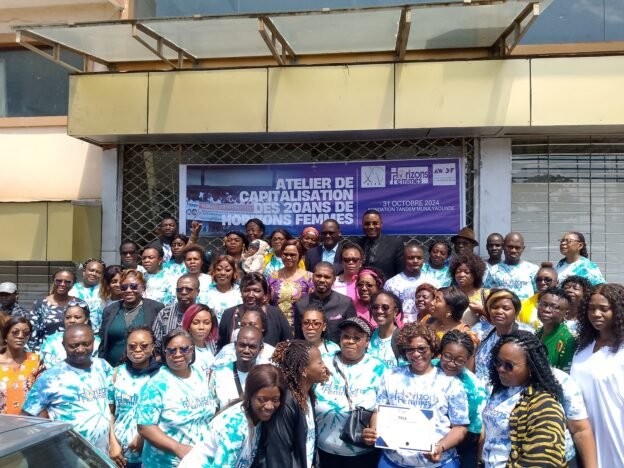
20ème Anniversaire de Horizons Femmes : Défis et Perspectives au Scanner
Les multiples actions menées depuis deux décennies par l’association Horizons Femmes étaient mises en vitrine au cours d’un atelier de capitalisation organisé le 31 octobre 2024 à Yaoundé. C’est un anniversaire qui s’inscrit sur une longue durée avec plusieurs activités qui magnifient les actions menées par l’association depuis sa création en 2003. Après les activités lancées en novembre 2023 et qui ont débuté par des marches sportives dans les villes de Yaoundé, Douala, Bafoussam et Ebolowa; et avec en autres des ateliers de sensibilisations, cette fois ci, c’est un atelier de capitalisation des 20 ans de l’association qui a été organisé dans la ville aux sept collines, Yaoundé. Cet atelier qui s’est tenu à l’auditorium de la fondation Solomon Tandeng Muna, a réuni plusieurs autorités administratives, des partenaires financiers et techniques, des organisations à base communautaires et des bénéficiaires qui accompagnent l’association Horizons Femmes depuis sa naissance au Cameroun. Promotion des causes nobles Depuis sa création en 2003, l’association Horizons Femmes, actrice majeur des causes des femmes et jeunes filles a laissé ses empreintes comme organisation à base communautaire qui s’investit pour le bien-être et le leadership féminin. Horizons Femmes a mené ces vingt dernières années, une multitude d’actions dans les domaines de la santé communautaire ; de la bonne gouvernance ; de l’autonomisation socio-économique et dans la paix, sécurité et l’action humanitaire. Pour faire le bilan élogieux de cette association qui ne cesse de monter au-devant de la scène pour la promotion des causes nobles, c’est la Directrice des Programmes de Horizons Femmes, Madame Toche Carole qui a pris la parole devant le parterre d’invités présent à l’atelier. Carole Toche a souligné le fait que dans le domaine de la santé communautaire par exemple, l’association a bénéficié du soutien des organismes internationaux tels que Sidaction, USAID PEPFAR et n’a pas failli de mentionner la récente visite de l’ambassadeur itinérant des Etats-Unis, Dr John Nkengasong au centre de Horizons Femmes en septembre 2023 ; tout comme les mobilisations des communautés cibles et l’offre de service non stigmatisant a tous ses bénéficiaires. Sur le plan de la bonne gouvernance, c’est également un satisfecit total même si Horizons Femmes veut davantage relever de nouveaux défis. Madame Toche a indiqué que l’association s’est distinguée par des actions de plaidoyer dans le domaine de la participation des femmes au processus électoral, la valorisation des travailleuses domestiques, la promotion de l’égalité de genre en milieu scolaire et extra-scolaire, la lutte contre les violences basées sur le Genre (VBG) et l’accès a la propriété foncière des femmes et veuves, ceci à travers son projet pionnier dénommé : « Projet Femmes et Foncier » soutenu par la AWDF. Les multiples acquis dans le domaine de l’autonomisation socio-économique tels que des sessions de renforcement des capacités sur le montage et la gestion activités génératrices de revenues ; de l’insertion des femmes dans l’industrie et l’habillement et la transformation des produits locaux ont été énumérés durant cet atelier de capitalisation. Au déla de ces acquis dans le volet socio-économique, il ya le fait que l’association Horizons Femmes s’est investie pour l’adaptation de ses interventions en situation de crise notamment avec la pandémie a COVID-19 qui a paralysé plusieurs de ses actions tout comme la crise dans les régions du Nord-Ouest et Sud-Ouest. Cependant, dans ses missions, Horizons Femmes a agi pour la promotion du vivre-ensemble et de la coexistence pacifique entre les populations déplacées et les communautés hôtes à travers des actions de renforcement de la citoyenneté et de la résilience économique. Dans sa présentation, la Directrice des Programmes de Horizons Femmes a également fait mention du fait que l’association a su s’imposer, et grâce au fruit de son travail a glané plusieurs prix et distinctions. Depuis 2017 Horizons Femmes a reçu plus de 11 distinctions toutes catégories confondues, ceci au vu de ses prouesses sur le terrain. Défis et perspectives en vitrine Au cours de la rencontre, il a été annoncé officiellement que l’association Horizons Femmes, qui depuis plus de deux décennies a inscrit et continue d’inscrire son nom en or dans le communautaire, sera bientôt sous le statut d’ONG avec des démarches présentement entreprises au niveau de l’Organisation Africaine pour la Propriété Intellectuelle (OAPI). Et parmi ces autres défis cités, la Présidente du Conseil d’Administration de Horizons a indiqué que l’association qui veut davantage se démarquer à l’échelle nationale va ouvrir de nouvelles antennes régionales dans certaines parties du pays ou la demande en service reste criarde. Madame Ndjeba Evelyne, l’une des pionnières et fondatrice de l’association a exprimé aux médias sa joie de voir après plusieurs années de souffrance le bébé qui a grandi et a 20 ans aujourd’hui. Elle a martelé le fait que Horizons Femmes ne va pas s’arrêter en si bon chemin, l’association va continuer à œuvrer pour le bien-être des femmes et des jeunes filles. « Après ses glorieuses 20 années de réussite, il faut le dire, parce que ça été le fruit d’un travail très dure labeur, nous avons beaucoup de défis à relever. Nous souhaitons davantage améliorer les conditions de vie de la femme et de la jeune fille, et même des couches vulnérables. » Dixit Evelyne Ndjeba, Présidente du Conseil d’Administration de Horizons Femmes. La célébration des 20 ans de Horizons Femmes via cette autre articulation qui était l’atelier de capitalisation, a permis d’honorer également le personnel de l’association. Monsieur Domeni Siméon et Mme Yopa Kuimi Florence, Chefs d’antennes du Littoral et de l’Ouest respectivement ont été mis sous le feu des projecteurs. Selon Madame Yopa, cette distinction honorifique est un véritable encouragement qui appelle à plus d’efforts. « Un travail qui est bien fait et est reconnu par la hiérarchie, est une façon d’encourager et de motiver le personnel à aller de l’avant. Les défis ont été présentés, et c’est de commun accord que nous devons les relever. Bien que dans notre région, à l’Ouest nous faisons face à des pesanteurs socio-culturelles, nous comptons davantage travailler avec les autorités administratives qui nous soutiennent grandement pour relever ces grands défis… » Dr Zeh Mekah, Secrétaire
Read More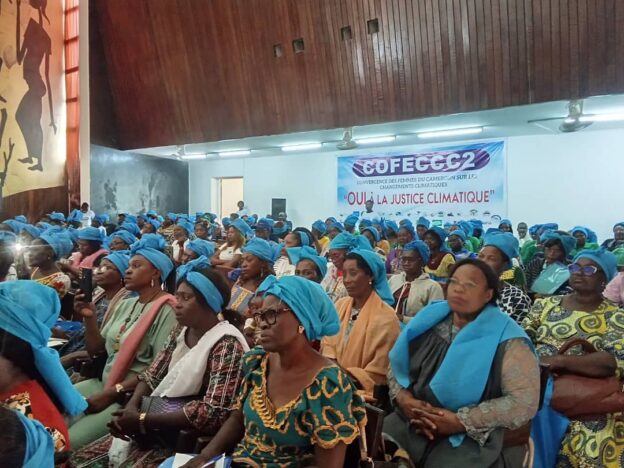
COFECCC 2 : Les Femmes Se Mobilisent pour contrer les Impacts Négatifs liés aux Changements Climatiques
Plus de 350 femmes issues des organisations de la société civile, des réseaux et associations féminines sont réunies à Mbalmayo du 29 au 31 octobre 2024 pour lutter contre les changements climatiques au Cameroun. Pour l’acte II de la convergence des femmes du Cameroun sur les changements climatiques (COFECCC), c’est la ville touristique de Mbalmayo, dans le département du Nyong et So’o, région du Centre qui accueille la rencontre. Cette rencontre devenue un véritable rendez-vous du donné et du recevoir se tient du 29 au 31 Octobre 2024, sous le thème général est : « Efficacité et Efficience des Stratégies de Lutte contre les Changements Climatiques au Niveau National et International. » Unies pour une cause commune Comme indiqué par les organisateurs, la COFECC 2 réunie plus de 350 femmes issues des organisations de la société civile féminines, des associations, des communautés riveraines, des universités et bien d’autres organismes. Pour cette deuxième édition, elles ont arboré des foulards de couleurs bleu ciel, afin d’être en communion avec la nature. Et comme à l’édition précédente à Yaoundé où elles ont porté du vert, ces dames n’ont pas dérogé à la règle en rajoutant cette couleur nature à leurs vêtements. Ces femmes qui au quotidien travaillent sur des questions d’agriculture en particulier et d’environnement en général, veulent par cette initiative contribuer à l’édification du développement du pays. Et au vu de l’objectif général de la COFECCC 2, il est question de fournir des réponses concrètes aux mesures efficaces et efficientes de lutte contre les changements climatiques. La cérémonie d’ouverture officielle des travaux de la COFECCC 2, qui a été présidée par l‘adjointe au Maire de la ville de Mbalmayo, a permis aux participants et participantes venus des dix régions du pays de toucher du doigt les réalités d’une ville écologiquement verte et qui est continuellement en campagne pour le reboisement. Dans une interview accordée aux médias, la présidente du club des stratégies des femmes pour le développement durable, par ailleurs présidente du comité d’organisation de cette activité a souligné son importance. Madame Ndongo Zinga Lisette a indiqué qu’à travers cette rencontre il sera question de faire tout d’abord l’état des lieux de la lutte contre les changements climatiques dans notre pays. Elle dit : « Nous voulons d’abord interroger l’état sur qu’il fait et ensuite à notre niveau voir ce qu’il y’a lieu de faire. Vous avez entendu le maire de Mbalmayo faire une annonce sur la disponibilité d’une portion de terre mise à notre disposition. Là-bas désormais nous aurons un bois de femmes qui permettra à toutes les femmes du Cameroun vont enrichir et planter, et on viendra demander des pépinières ici à l’école des eaux et des forets afin d’enrichir ce bois de femmes, Et désormais lorsque je passe à Mbalmayo, que je sache que j’ai posé ma pierre pour lutte contre les changements climatiques. » Dans ses propos, Madame Ndongo Zinga a insisté sur le fait qu’il faut que les femmes unissent leur force afin d’atteindre ces objectifs tant souhaités. « Le changement climatique entraine vraiment des catastrophes graves. Vous avez vu la situation au quartier Mbankolo à Yaoundé, à l’Ouest du pays et dans le septentrion où les populations ont été affectées. » a-t-elle souligné. Enjeux du COFECCC2 Les femmes-participantes participeront au cours de cette convergence, aux formations, à des conférences-débats, des ateliers pratiques, visites de terrain, des échanges sur les questions de reboisement et un partage d’expériences sur des thématiques liées aux changements climatiques. Elles seront également imprégnées sur la situation climatique nationale et à examiner les aspects de la sexospécificité climatique. Il s’agira également de comprendre les enjeux liés à la finance climatique, notamment le crédit carbone, et d’identifier les activités éco-innovantes pour accélérer la transition vers une croissance verte. Les participantes seront formées sur les outils d’élaboration d’une note conceptuelle de projets verts, des pistes de solutions concrètes seront proposées pour relever les défis d’atténuation et d’adaptation climatique au niveau national. Enfin, l’atelier visera à promouvoir les « meilleures pratiques environnementales féminines » à l’échelle nationale. La COFECCC 2 s’appuiera sur les succès de la précédente édition pour proposer des solutions concrètes et des actions quotidiennes à mettre en œuvre pour faire face aux enjeux d’adaptation et d’atténuation climatique. A titre de rappel, cette rencontre est placée sous le haut parrainage du Ministre de l’Environnement et du développement durable, Hélé Pierre, d’où la participation à ce rendez-vous de certains cadres du MINEPDED. A propos de la COFECCC L’initiative qui a été lancée par la première convergence des femmes sur les changements climatiques – COFECCC 1 a eu lieu du 23 au 24 Janvier 2024 à Yaoundé, Parrainée Madame la ministre de la Promotion de la Femme et de la Famille au Cameroun, sous le thème : Femmes Camerounaises debout face aux changements climatiques. Le but étant l’implication de la femme Camerounaise dans le processus de mise en œuvre des politiques nationales de lutte contre les changements climatiques, à travers leur participation dans des projets concrets et la facilitation d’accès aux financements fond vert pour les projets et microprojets écologiques Les résultats issus de cette première ont été probants et soldés par un engagement commun et ciblé de lutte contre les changements climatiques. En effet après avoir reconnu la réalité des changements climatiques dans leur vécu quotidien, et partager leurs connaissances et leurs expériences des initiatives d’adaptation, d’atténuation et de pertes et dommages, les 250 femmes participantes issues de la société civile camerounaise ont proposé des solutions collectives axées sur cinq priorités majeures adoptées : La vulnérabilité de la femme aux effets des Changements climatiques ; l’éducation environnementale des enfants ; l’assainissement ménager et la gestion domestique de l’eau ; l’éco-entreprenariat de la jeune fille (fabrication du charbon écologique, bracelet recyclé, four écologique……) ; l’agriculture durable. Rédaction timesnews2.info
Read More
Changements Climatiques : Plus de 350 Femmes Attendues à Mbalmayo pour l’Acte II de la COFECCC
La deuxième convergence des femmes du Cameroun sur les changements climatiques se tient du 29 au 31 Octobre 2024 à Mbalmayo, dans la région du Centre. Après la ville de Yaoundé, capitale du Cameroun, c’est la ville de Mbalmayo, dans le département du Nyong et Nso, région du Centre, qui accueille la convergence des femmes du Cameroun sur les changements climatiques (COFECCC). Pour ce deuxième rendez-vous annuel qui se tient du 29 au 31 octobre 2024, le thème général est : « Efficacité et Efficience des Stratégies de Lutte contre les Changements Climatiques au Niveau National et International.» L’acte II de la COFECCC compte mobiliser plus de 350 femmes issues des organisations de la société civile féminines, des associations et des communautés riveraines, des universités et bien d’autres organismes. Ces femmes sont attendues pour des formations, des conférences-débats, des ateliers pratiques, visites de terrain, des échanges sur les questions de reboisement et un partage d’expériences sur des thématiques liées aux changements climatiques. L’objectif général de la COFECCC est de fournir des réponses concrètes aux mesures efficaces et efficientes de lutte contre les changements climatiques. Et comme le thème général l’indique, il sera question pour ces participants et participants venus des 10 régions du pays, d’être imprégné sur la situation climatique nationale et à examiner les aspects de la sexospécificité climatique. Il s’agira également de comprendre les enjeux liés à la finance climatique, notamment le crédit carbone, et d’identifier les activités éco-innovantes pour accélérer la transition vers une croissance verte. Les participantes seront formées sur les outils d’élaboration d’une note conceptuelle de projets verts, des pistes de solutions concrètes seront proposées pour relever les défis d’atténuation et d’adaptation climatique au niveau national. Enfin, l’atelier visera à promouvoir les « meilleures pratiques environnementales féminines » à l’échelle nationale. Il faut dire que la COFECCC 2 s’appuiera sur les succès de la précédente édition pour proposer des solutions concrètes et des actions quotidiennes à mettre en œuvre pour faire face aux enjeux d’adaptation et d’atténuation climatique. Les travaux de ces rencontres sont placés sous le haut parrainage du Ministre de l’Environnement et du développement durable, Hélé Pierre. Rédaction timesnews2.info
Read More
Café-Science : Des Journalistes Outillés sur les Menaces qui Affectent la Biodiversité Africaine
SciLife et le Remapsen en collaboration avec WWF Cameroun ont organisé le samedi 19 Octobre 2024 à Yaoundé, un café-science pour outiller les journalistes sur le sujet. Près de vingt journalistes ont été réunis le Samedi, 19 Octobre 2024, à Yaoundé, Cameroun au cours d’une session d’information dénommée « café-science ». Ce café-science qui est une rencontre traditionnelle de « brainstorming » entre journalistes scientifiques et Experts était organisé par l’Association des journalistes scientifiques du Cameroun connue sous l’appellation de SciLife et le Réseau des Médias Africains pour la Promotion de la Santé et l’Environnement (Remapsen) en collaboration avec le Fonds Mondial pour la Nature, WWF. Cette session d’informations et d’échanges a permis de mettre en vitrine le 15e rapport de la planète vivante de WWF publié le 10 octobre 2024. Dans ce document, les pays du Bassin du Congo sont appelés à lutter contre la biodiversité et les changements climatiques. Et pour y parvenir, ces pays doivent négocier auprès des partenaires pour avoir plus de financements. D’après ce rapport de la planète vivante publié tous les deux ans par le WWF, l’état de la biodiversité depuis les 50 dernières années (1970 et 2020) est alarmant. Il se traduit par une perte accrue de la biodiversité de l’ordre de 73% en ce qui concerne les populations de la faune sauvage. Prenant la parole, Alain Bertrand Ononino, Directeur National de WWF Cameroun, a souligné quelques points essentiels de ce document. Il a indiqué que la planète est en train de s’approcher de manière inexorable vers les points de basculement. « Les points de basculement sont à peu près comme les points de non-retour. Deux régions dans le monde ont été identifiées à savoir les forêts d’Amazonie qui ont déjà atteint un taux de déforestation de l’ordre de 17% et le point de basculement pour ces forêts-là se situe entre 20 et 25%. Lorsque ce point de basculement aurait été atteint alors ces forêts qui sont aujourd’hui les piles de carbones c’est-à-dire elles servent à absorber les émissions de gaz à effet de serre, deviendront donc des sources elles-mêmes d’émission de carbone. » Dans ses propos, il a également souligné le fait que le Bassin du Congo n’est pas en reste. Il subit lui aussi des crises environnementales. Ainsi, ces pays issus dudit bassin ressentent déjà les effets dévastateurs de changements climatiques que sont les sécheresses, les tempêtes, les inondations et bien d’autres. Par exemple au Cameroun, les paysans voient leurs récoltes diminuées. Car, le calendrier des saisons jadis connu de tous est désormais instable. Une situation qui peut provoquer une insécurité alimentaire. Les populations vivant dans les zones côtières sont menacées du fait de la montée des eaux. Les maladies émergentes sont aussi perceptibles. Selon Jonas Kemajou Syapze, Expert financement climatique à WWF Cameroun les pays du Bassin du Congo ont une ressource extrêmement importante que sont les forêts. Il dit : « Les pays du Bassin du Congo ont une ressource extrêmement importante que sont les forêts. Ces forêts sont les régulateurs du climat mondial, le réservoir de la biodiversité mais également ces forêts fournissent des services écosystémiques non seulement pour nos propres pays mais également pour le monde entier. » Il ajoute que malgré leurs rôles capitaux dans la planète, ces pays ne bénéficient pas d’autant de financements. « Il est question de tirer le constat selon lequel de la période de 2017 à 2021, ces pays du bassin du Congo n’ont reçu que 4% des financements par rapport au bassin de l’Amazonie et au bassin du Bornéo-Mékong », déplore l’expert. « Il faut que cette tendance change afin que nous puissions être davantage rémunérés de ces services que le Bassin du Congo rende à la planète toute entière », renchérit le Directeur National de WWF Cameroun. A cette allure, il est difficile pour les pays du Bassin du Congo de prendre en charge leurs populations lors des effets néfastes de changements climatiques comme les autres pays. D’où l’impératif d’asseoir une bonne stratégie de négociation avec les partenaires lors des différents colloques internationaux. « Il est important de mettre en avant le rôle que le Bassin du Congo joue comme régulateur du climat, et que les pays du Bassin du Congo qui hébergent ces forêts puissent avoir un meilleur accès à la finance climatique. Il est important également pour ces pays-là de s’organiser de manière concertée. C’est la raison pour laquelle WWF appuie cette initiative sur les flux financiers internationaux en partenariat avec la COMIFAC afin de pouvoir accompagner les pays du Bassin du Congo lors des négociations climatiques lors de la Cop16 à Khalil sur le climat et la Cop21 en Azerbaïdjan sur la biodiversité », relève Monsieur Ononino Alain Bertrand. Contrairement aux deux autres bassins tropicaux du monde, l’Amazonie et du Bornéo-Mékong, le Bassin du Congo a un taux de déforestation très bas. Il varie entre 0,01 à 0,33%. Du coup, un autre moyen de financement peut être initié. L’optique est « de faire en sorte que ces forêts à haute intégrité puissent générer des financements pour permettre sa protection, mais aussi pour permettre de financer la transition pour une économie verte et l’amélioration des conditions socioéconomiques des populations, des communautés locales et les peuples autochtones qui vivent tout autour ces zones de forêts à haute intégrité », souligne Jonas Kemajou Syapze. En rappel, le Bassin du Congo s’étend sur six pays : le Cameroun, la République centrafricaine, la République démocratique du Congo, la République du Congo, la Guinée équatoriale et le Gabon. Ayouba Nsangou
Read MorePublicité

VISITEURS