By Elise Kenimbeni
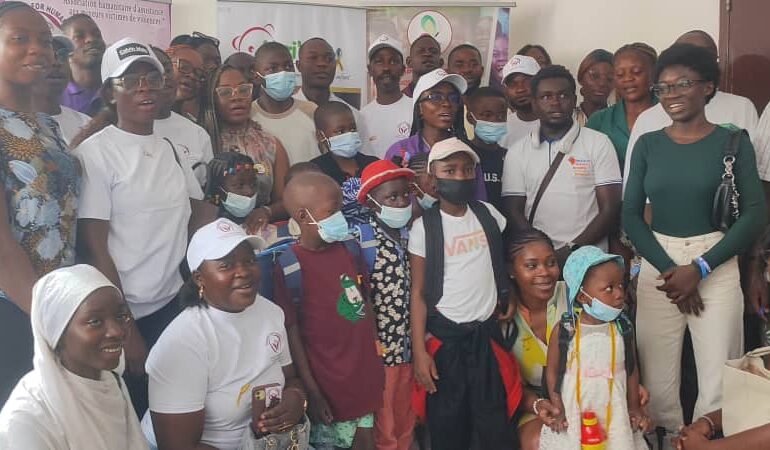
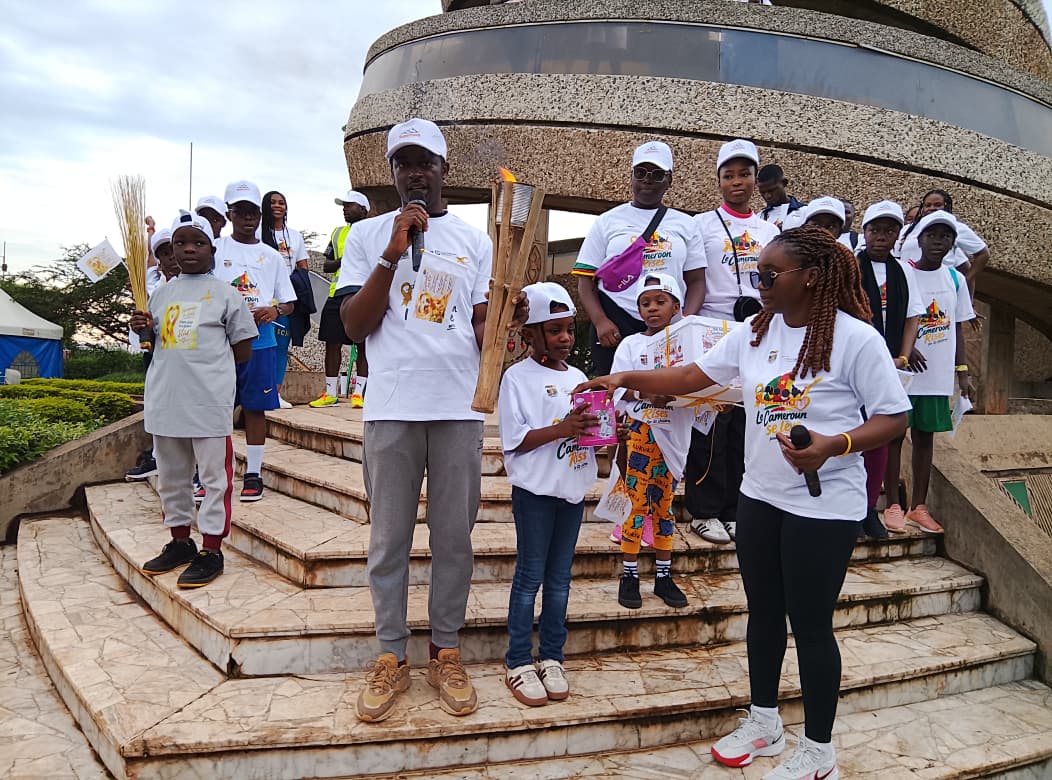
The non-governmental organization, Mori’sChild Foundation, organized an awareness walk on childhood cancer in Yaoundé on Saturday, September 26, 2026. The event was part of activities marking Gold September, the international month dedicated to childhood cancer awareness.
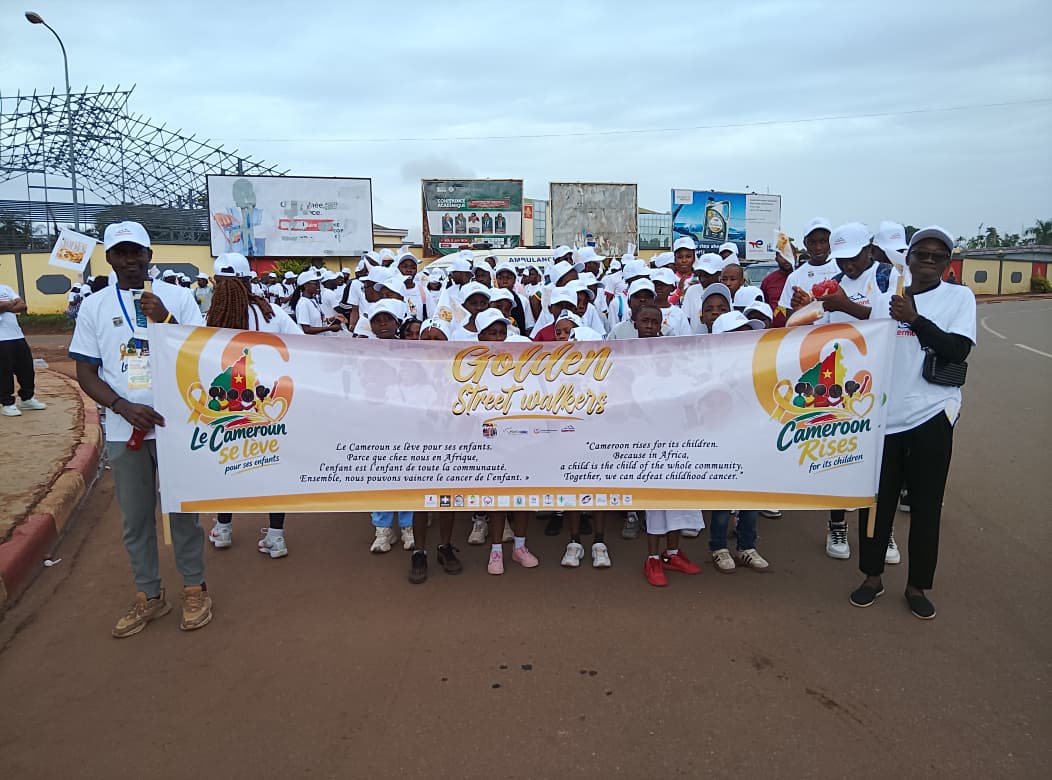
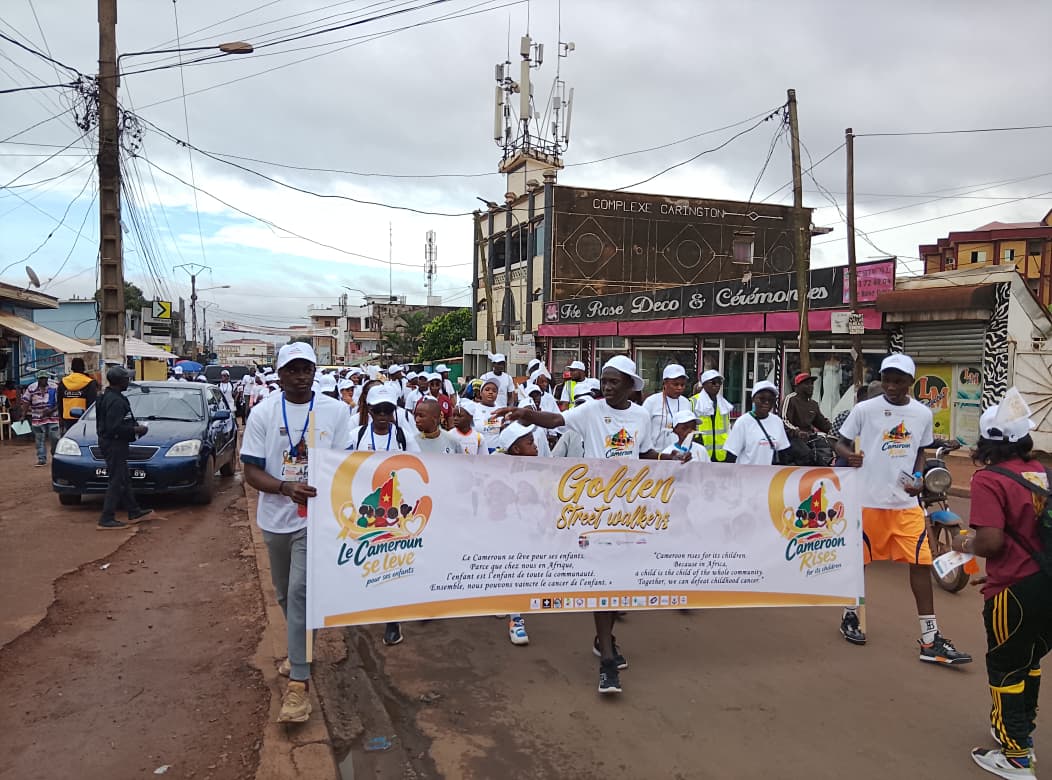
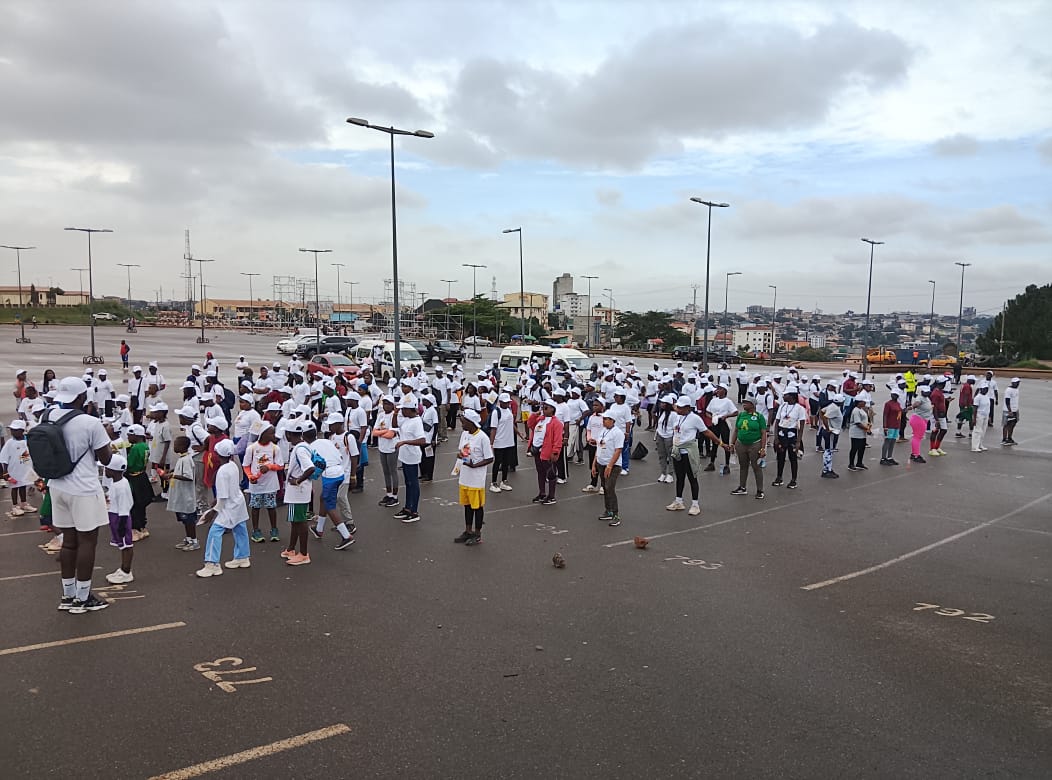
More than 250 people gathered at the Reunification Monument of Yaoundé as part of the commemorative activities marking this month-long international initiative. This year, activities marking the childhood cancer awareness month were placed under the theme: “Together, We Turn the World Gold.”
Childhood Cancer: A Concern for All
On Saturday, September 26, 2026, the non-governmental organization Mori’sChild Foundation, run by Ruth Grace Ngo Nyobe, organized its traditional event dubbed the "Golden Street Walkers." The event brought together staff from the Ministry of Public Health (MINSANTE), the Chantal Biya Foundation, the National Committee for Cancer Control (CNLCa), World Child Cancer, leaders of associations, media practitioners, and other partners such as KTOUR and Supermont.
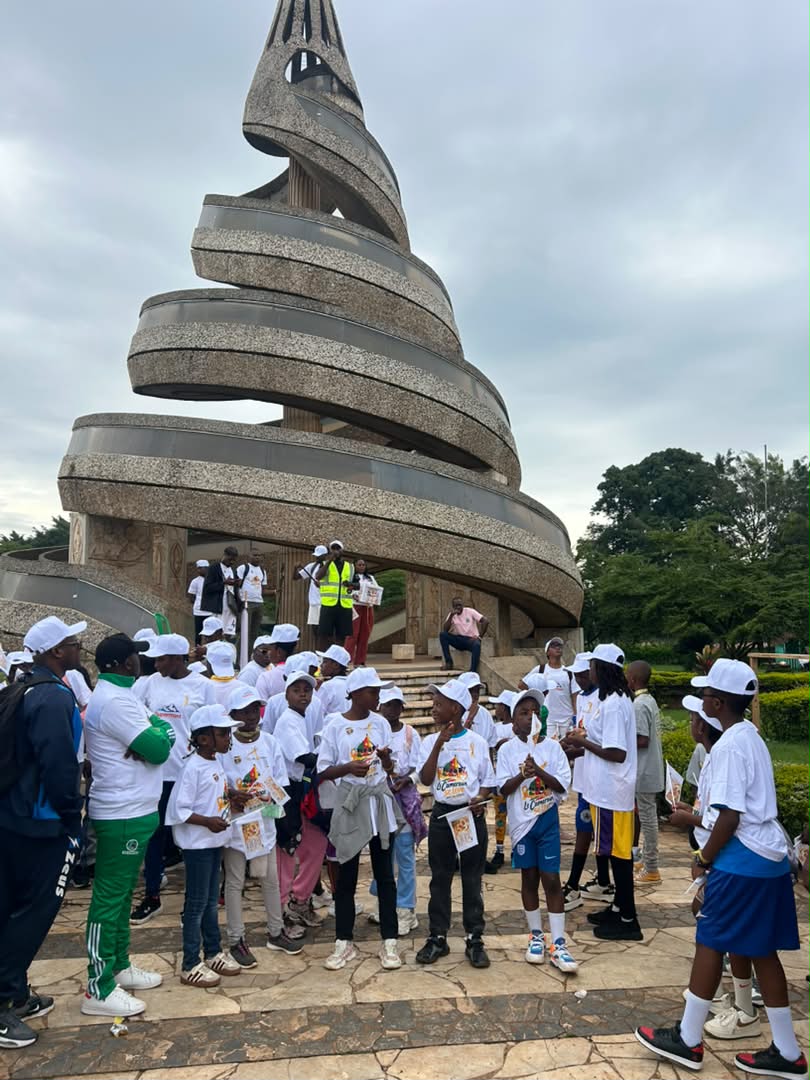
To kick off the Golden Street Walkers’ event, the Reunification Monument—a historic site full of symbolism—played host to a ceremony and warm-up exercises. For close to 10 minutes, sensitization and advocacy messages were delivered by children, focusing on early diagnosis, treatment, and ending stigmatization.
One major message highlighted throughout their addresses was the need to rise up for Cameroon and combat childhood cancer. As stated by the Mori’sChild Foundation: “In Africa, a child is the child of the community. Together we can overcome childhood cancer.”
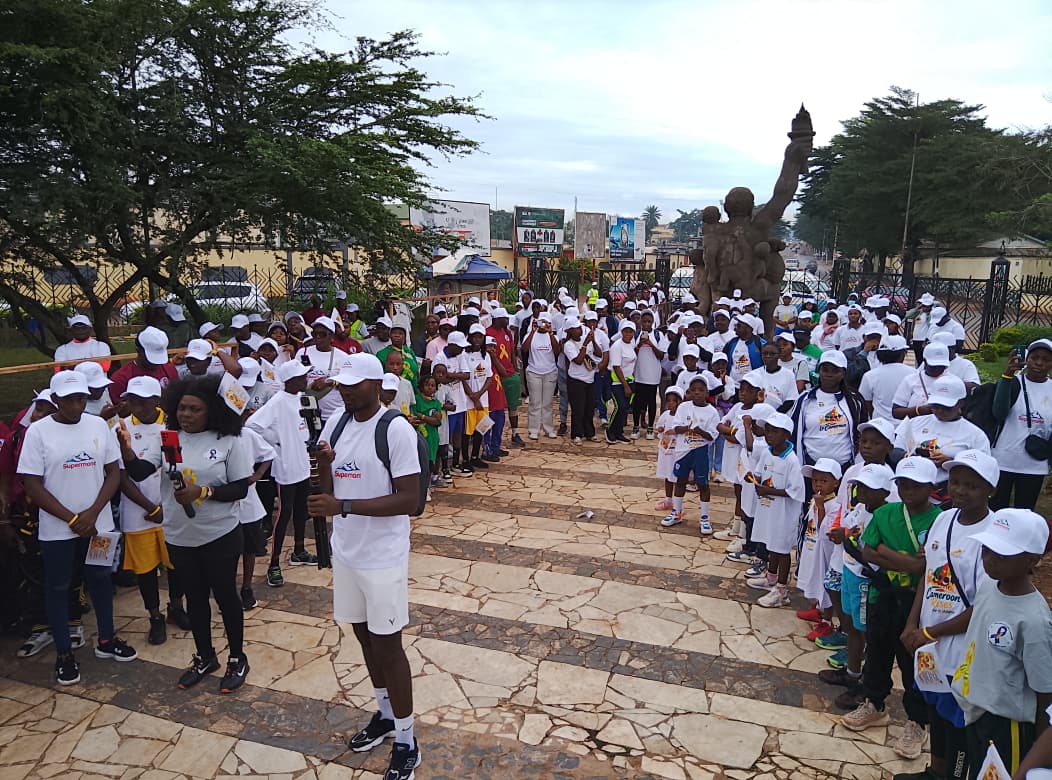
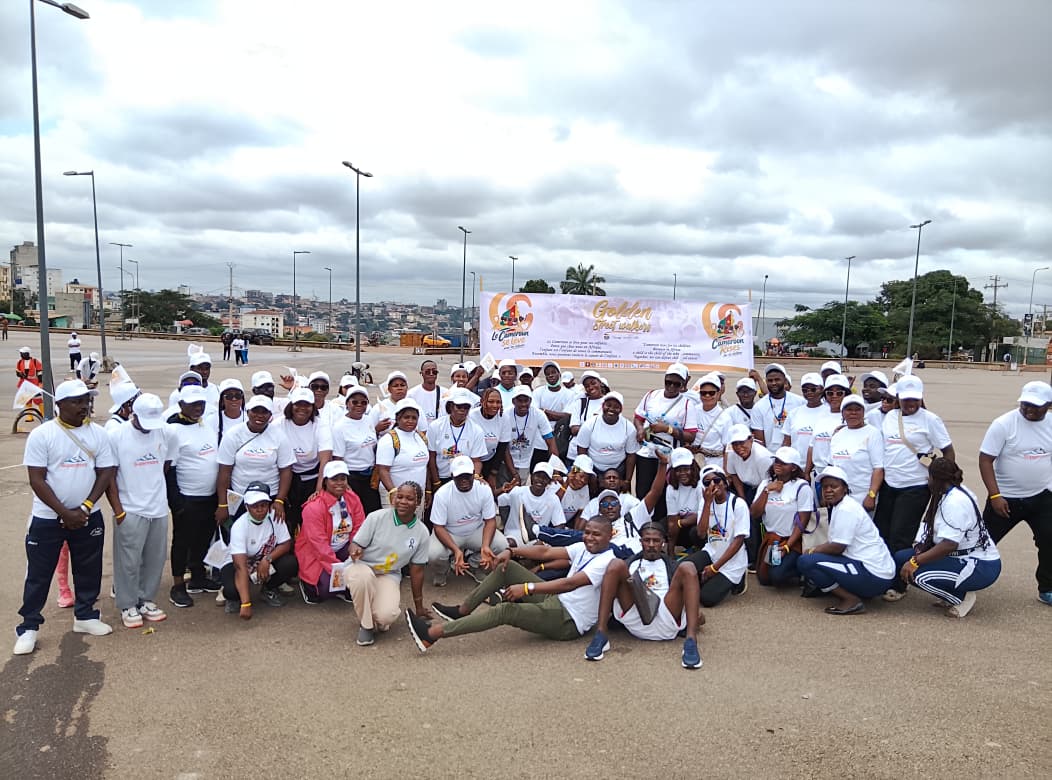
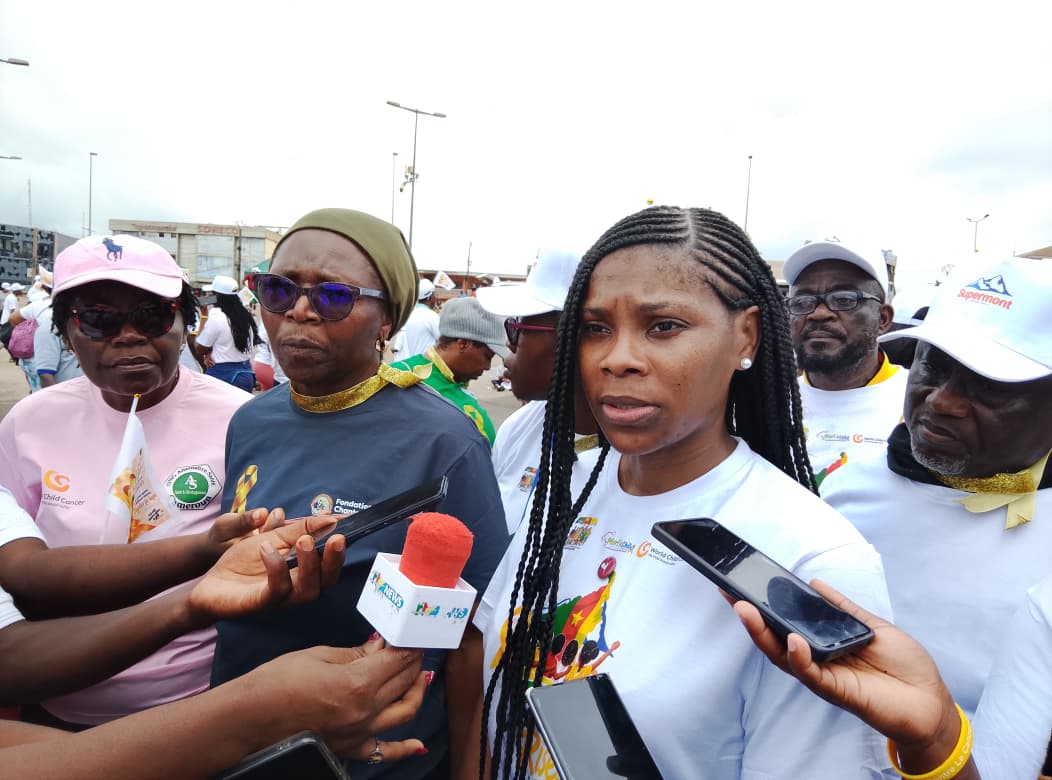
Ruth Grace Ngo Nyobe, Founding President of the Mori’sChild Foundation, reiterated this message during an interview with media professionals.
She said: “The month of September is an international month dedicated to the awareness of pediatric cancer. This march is part of our numerous activities. Why an awareness campaign at the community level? We thought it was imperative for us to get out of the hospital rooms and the hospital walls to meet the community. We chose to go to the Reunification Monument because in Africa, a child is the child of the community. By going to the Reunification Monument, which carries so much symbolism, it represents Cameroon standing up for its children affected by cancer. It's your child, it's my child, it's the neighbor's child. Therefore, it is necessary for each of us to know that childhood cancer concerns them. It has been five years since Mori’sChild started working in the field. In a practical way, this project was launched.”
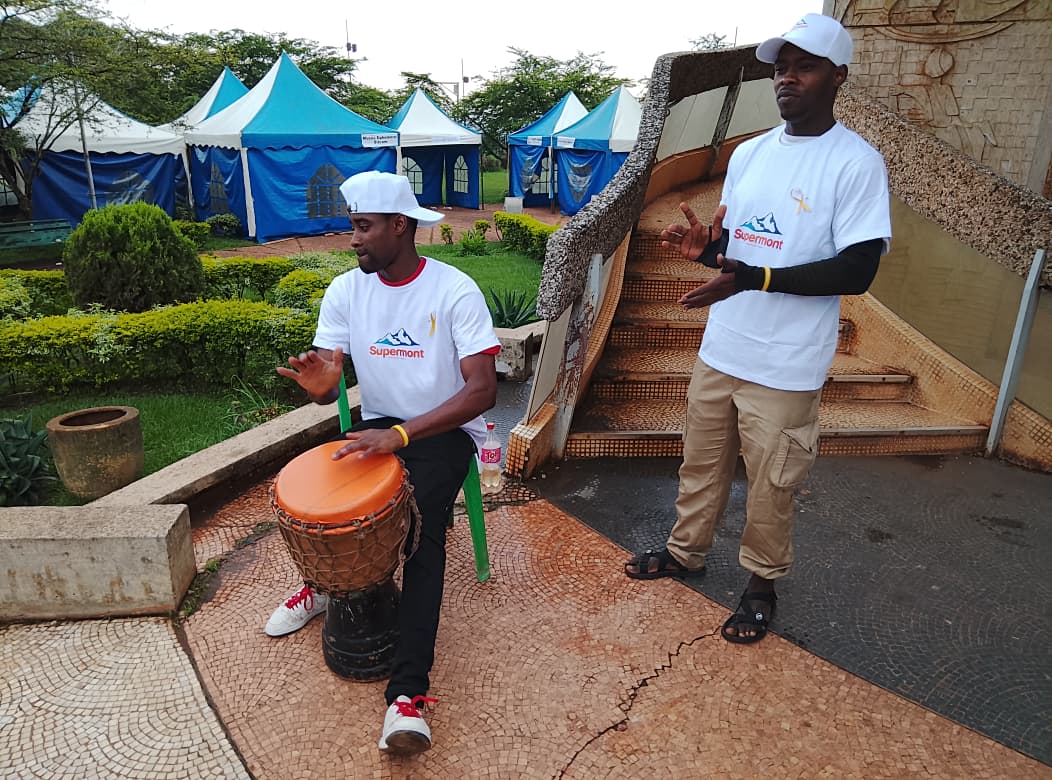
Drums were also played to pass on a significant message rooted in local customs and traditions, as indicated by the event organizers.
"For generations across Africa, the drum has gathered communities and carried vital news. Now, we are giving this tradition a new purpose: breaking the silence on childhood cancer. By using the voices of healthy children to lift up their sick peers, we are teaching communities to spot the warning signs early. A single sign recognized in time leads to a doctor's visit—and has the power to save a child's life." they narrated.
Advocating Through a Street Walk
Held as part of "Gold September," the event was much more than an early morning fitness walk. It was a powerful, community-wide rally designed to break the silence surrounding pediatric cancer, fight therapeutic wandering, and amplify a message of survival: childhood cancer is curable when detected early.
Galvanized by music and dance, participants of the Golden Street Walk followed an itinerary starting from the Reunification Monument, passing through the Poste Centrale and the Mfoundi market entrance, moving down to Elig-Essono, continuing through the Fouda neighborhood, and finally ending at Omnisport.
The choice of locations along the route carried profound cultural and social meaning. Setting off from the Reunification Monument—a historic site symbolizing unity and the passing of strength across generations—the marchers embodied collective responsibility. They walked several kilometers through the heart of Yaoundé, physically demanding visibility for vulnerable young patients who are often fighting isolated battles behind hospital walls.
Arriving at the esplanade of the Yaoundé Omnisport Stadium, the final destination pulsed with dynamic energy. The stadium, typically a venue for competitive sports, became an arena of collective victory against stigma.
At the end of the event, Ruth Grace Ngo Nyobe expressed her satisfaction, thanked all those who worked for its success, and added that the fight against childhood cancer in Cameroon continues.
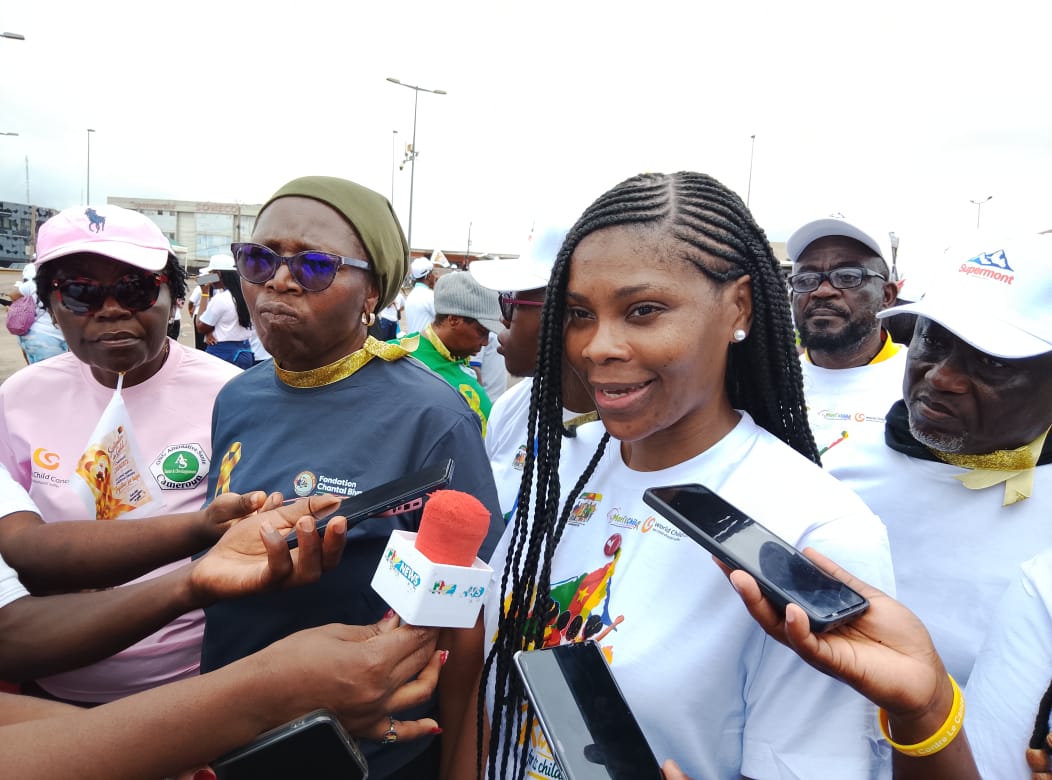
She indicated that: “The fight deserves to continue because we have a professional team by our side. Mori’sChild Foundation is not a doctor. Our NGO operates within reference hospital centers that take care of children affected by childhood cancer. Today, Mori’sChild Foundation has registered more than 400 children. For example, our 'Happy Class project, which focuses on educational continuity for children, has so far permitted 53 children to attend classes while following their treatment at the hospital. In five years of action, we believe the results are positive because we have seen children heal.”
Early Diagnosis is Critical
The diagnosis of childhood cancer relies heavily on early symptom recognition by parents and healthcare providers, followed by specialized medical testing.
Speaking to Prof. Angèle Hermine Pondy, Head of the Hemato-Oncology Service at the Mother and Child Center of the Chantal Biya Foundation in Yaoundé, she explained that while childhood cancer cannot be prevented, early signs can be diagnosed.
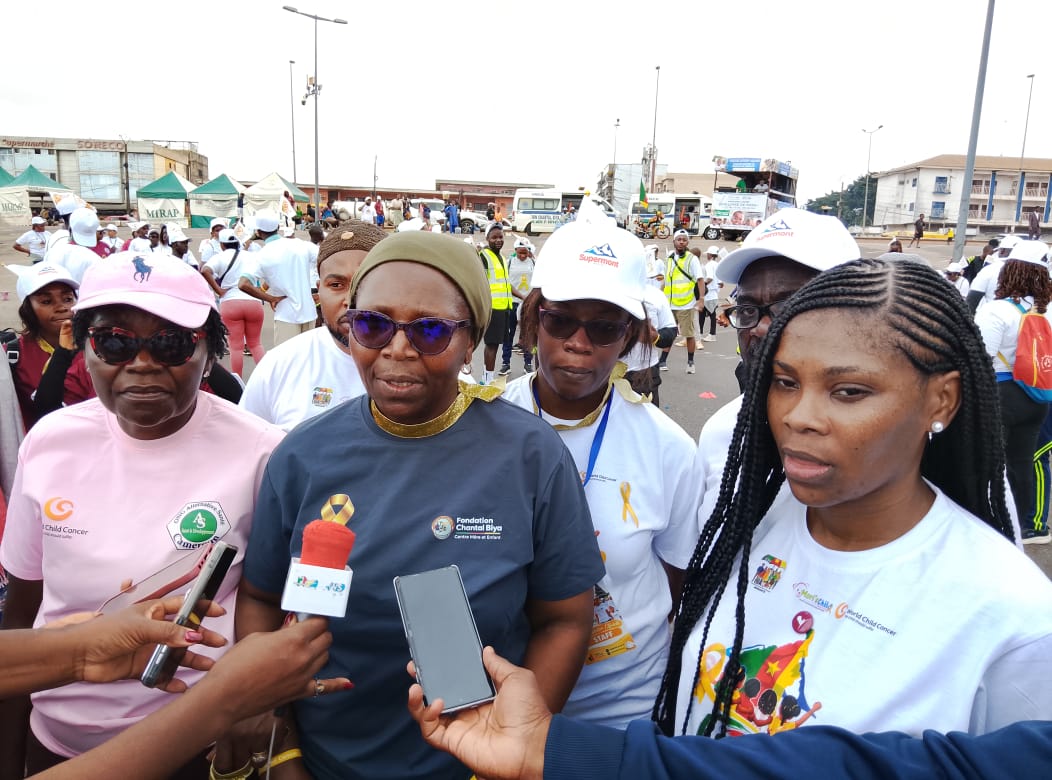
“We cannot prevent childhood cancer. We have early warning signs that we have to see, diagnose rapidly, and treat because we can treat pediatric cancer. Pediatric cancer is not adult cancer. With adult cancer, there are signs and lifestyle factors we can prevent. In pediatric oncology, we are always looking to see if there is any change in any part of the body that might cause us to suspect cancer. Pediatric cancer is something that appears suddenly, which makes early diagnosis very important. This means if a parent suspects something—for instance, if we treat malaria but the child continues to have a fever or anemia—it is better to go to the right place where people are more sensitized to pediatric cancer signs, so we can get a diagnosis and treat the child.”
Prof. Pondy added that apart from symptoms mimicking malaria, there are other critical signs that need to be taken into account in children.
The Head of the Hemato-Oncology Service at the Mother and Child Center of the Chantal Biya Foundation noted: “All patients and health professionals at the district level often begin by treating malaria when something arises. This means a mother might say her child has a swollen stomach, noticing that something is wrong, but they will go on to treat malaria or deworm the child instead. Also, something very critical to look out for in newborn babies is a white spot in the eyes. Sometimes a mother might clean the child and feel like there is something in the eye, but when you look early in the morning under normal daylight, you cannot see it. However, at night or under specific lighting, you can see it clearly.”
The government of Cameroon together with international partners and key local actors keep striving for the treatment of cancer notably childhood. Dr. Florence Zeh Kakanou, Permanent Secretary of the National Committee for Cancer Control (CNLCa) outlined the fact that there are two hub centers in Cameroon: the Chantal Biya Foundation and the Bingo Baptist hospital in the North-West region, and said there are equally satellite centres put in place by government in the Littoral, Far-North, Adamawa regions that are in charge of reffering cases in the two cited hospitals.
Dr Zeh Kakanou added that these cases are referred because there is need to centralize expertise in the follow-up and treatment of childhood cancer cases.
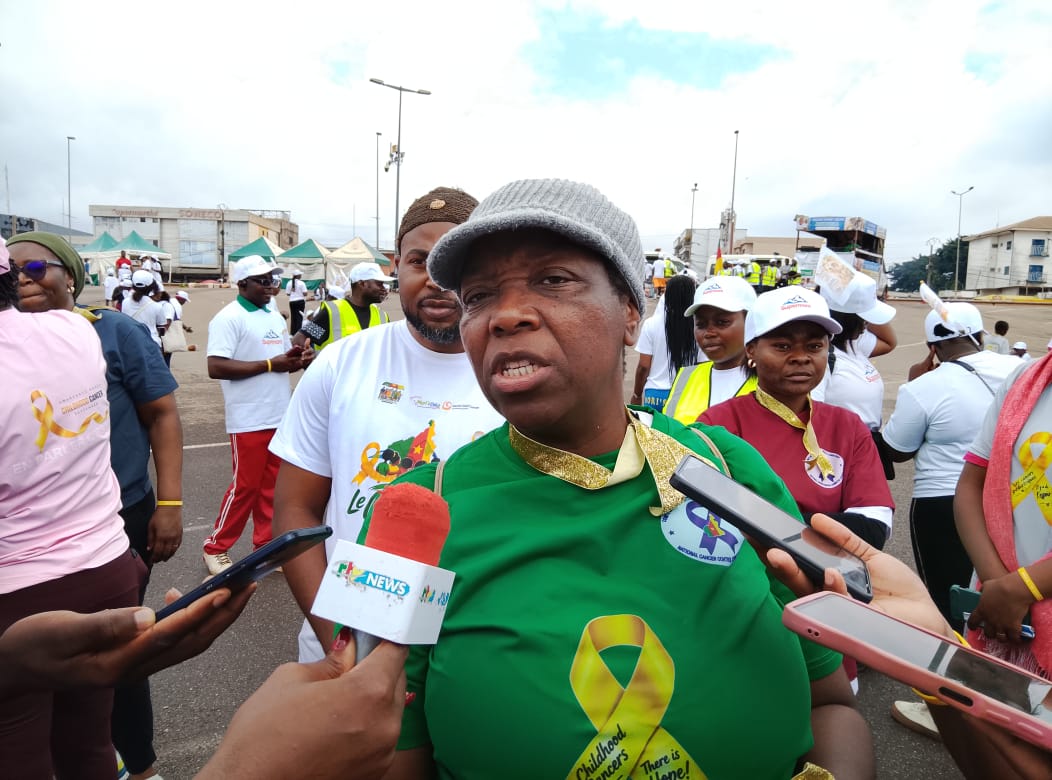
In Cameroon, an estimated 1.500 children develop cancer each year, but less than 25% are ever officially diagnosed due to healthcare barriers.
Recent 2026 data from public health campaigns like "Gold September" highlight a stark gap in pediatric oncology: while childhood cancer survival rates exceed 80% in wealthy nations, the overall survival rate for a child with cancer in Cameroon drops to between 10% and 20% due to late diagnosis, high costs, and limited infrastructure.