By Elise Kenimbeni
On September 7, 2026, millions of students across Cameroon headed back to school.
For children hospitalized with cancer, the return to the classroom looked different, but their right to education remained untouched. Inside the Pediatric Hematology-Oncology Unit of the Chantal Biya Foundation’s Mother and Child Center in Yaoundé, the NGO Mori'sChild Foundation officially launched its flagship program for the 2026/2027 academic year: the "Happy Class."
Bringing Hope and Smiles to the Hospital Wards
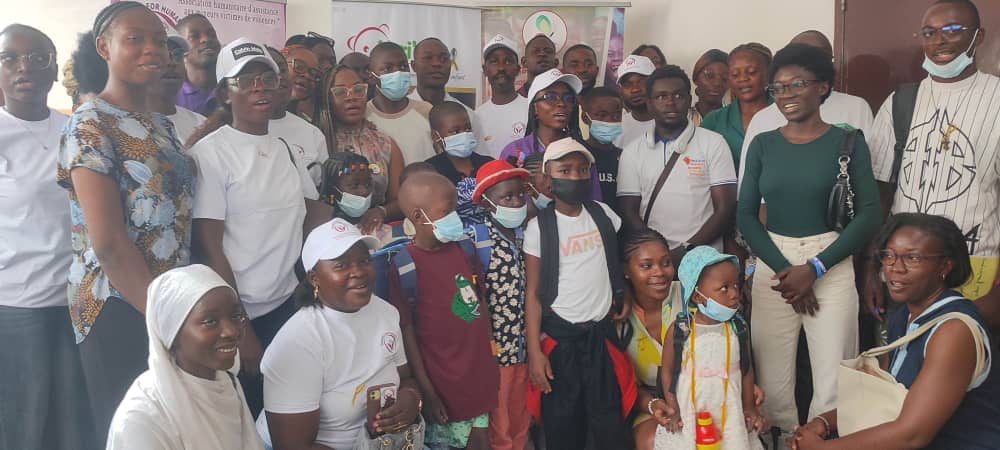
For this new school year, the founding president of the Mori'sChild Foundation and her partners brought joy directly to the hospital bedside.
Young patients undergoing cancer treatment were equipped with brand-new school bags, textbooks, notebooks, and essential writing materials, ensuring they do not fall behind their peers.
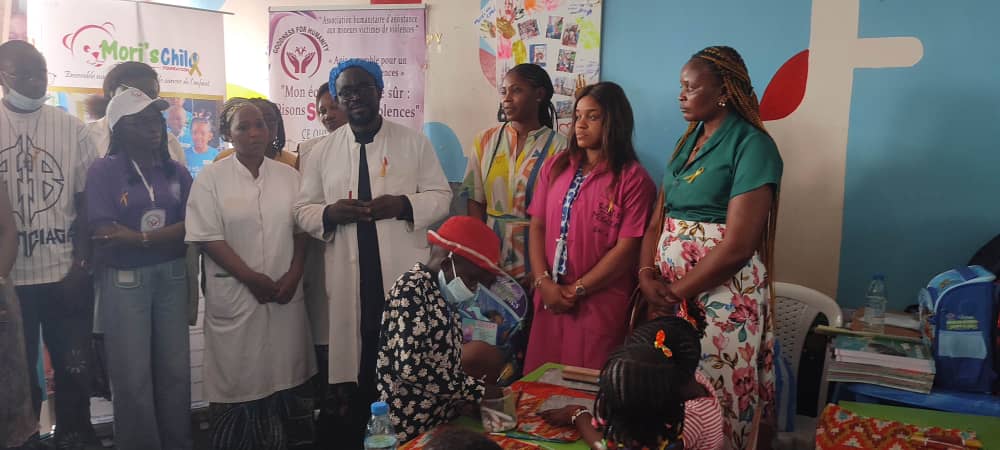
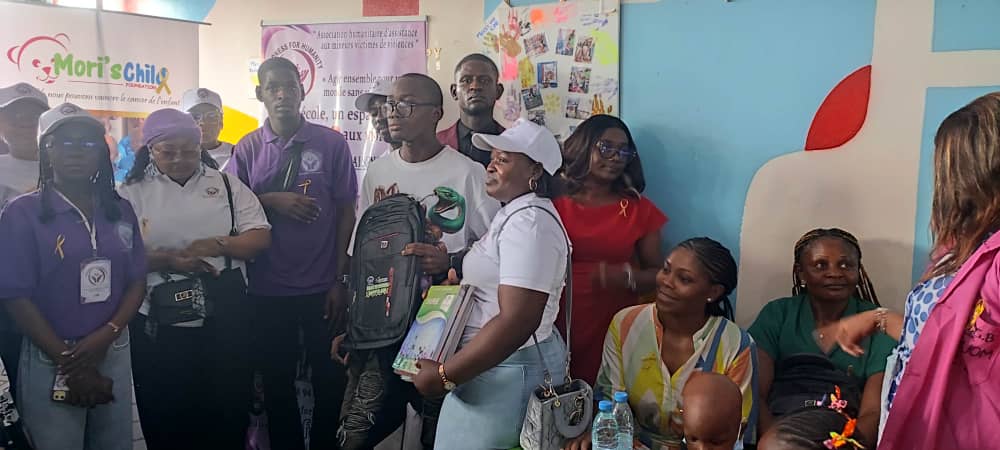
This year, the official launch of the “Happy Class” initiative was attended by parents, doctors, and nurses of the Chantal Biya Foundation, as well as media practitioners who actively took part in the ceremony, which aimed at handing over school kits to children affected by cancer.
One of the various partners of Mori'sChild Foundation present at this event was Goodness for Humanity, a young humnaitarian association.
The "Happy Class": Education Defying Illness
The "Happy Class" is far more than a simple charity distribution. It is a structured, fully adapted educational program tailored to the complex realities of cancer treatment.
Ruth Grace Ngo Nyobe, founder and president of the NGO Mori'sChild, took the floor to recall the importance of this social initiative that seeks to restore joy and hope to children and young people affected by cancer.
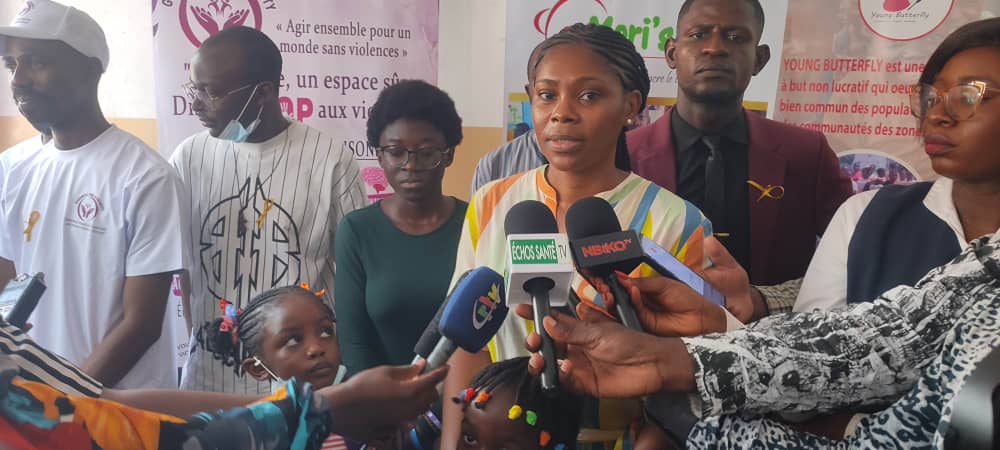
She explained this beautiful concept, which has been in place since 2024, where dedicated teachers deliver up to four hours of lessons daily, carefully scheduled around the children's fatigue levels and chemotherapy sessions.
Alongside traditional academic subjects, the curriculum incorporates art therapy to provide emotional relief and a mental escape from the hospital environment.
Pupils and students in the Happy Class prepare for and sit the exact same official national examinations as children in regular school systems.
Speaking to media practitioners, Simon Cardin Neyeng, Coordinator of the ”Happy Class” project, said that in the three years since the program was launched, pupils affected by cancer have been enriched with new activities, mostly therapeutic arts, and they are very receptive during classes. Despite the numerous challenges they face, these brave children who have to follow their chemotherapy and classes remain very active.
Heroic Achievements and a Vital Call to Action
The track record of the foundation's young learners proves that illness cannot crush determination. Over the years, Happy Class students have successfully passed major exams, including the Probatoire, GCE O Level, and the Baccalauréat—with some even going on to pass competitive medical school entrance exams. These achievements are made possible by the resilience of young heroes like Maximilien, whose academic endurance has been celebrated by the organization.
Tackling cancer, no child is left behind
While speaking to the media, Ruth Grace Ngo Nyobe once more seized the occasion to thank all the different partners who have been accompanying these children for several years now, especially those who have been supporting the Happy Class project at all levels.
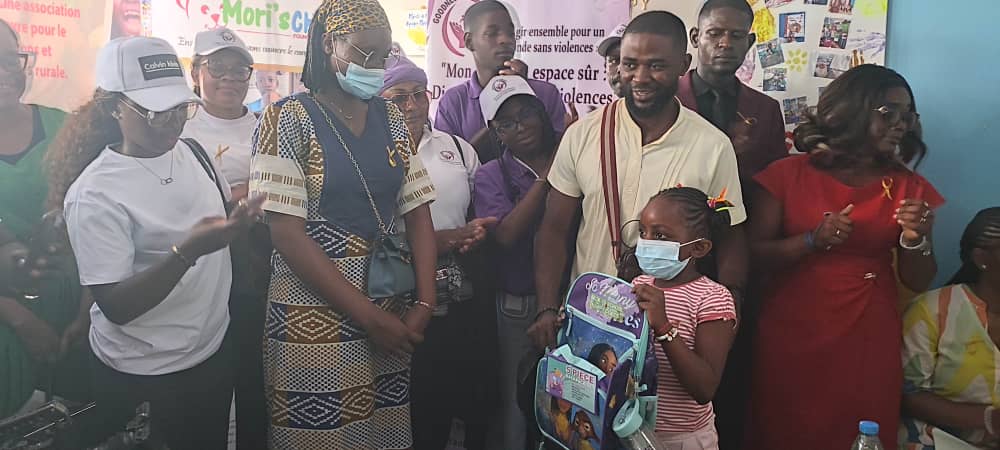
She said: “We focus our activities on awareness campaigns to encourage early diagnosis and promote more effective treatment in reference centers. The main ones are Mbingo Baptist Hospital in the North-West region and the Chantal Biya Foundation where we are today. We will continue with care for the sick, that is, direct support for chemotherapy or the distribution of medical equipment. We encourage the population to donate blood, bone marrow, or plasma. The goal is to allow children to continue their schooling. We also provide psychological care for children and parents, and the reinforcement of post-cancer follow-up to avoid sequelae and reduce incidence.”
Ruth Grace Ngo Nyobe reiterated the fact that in Cameroon, childhood cancer remains a significant and rising public health challenge. Because of massive gaps in awareness, diagnostic tools, and financial resources, the disease is rarely caught in time.
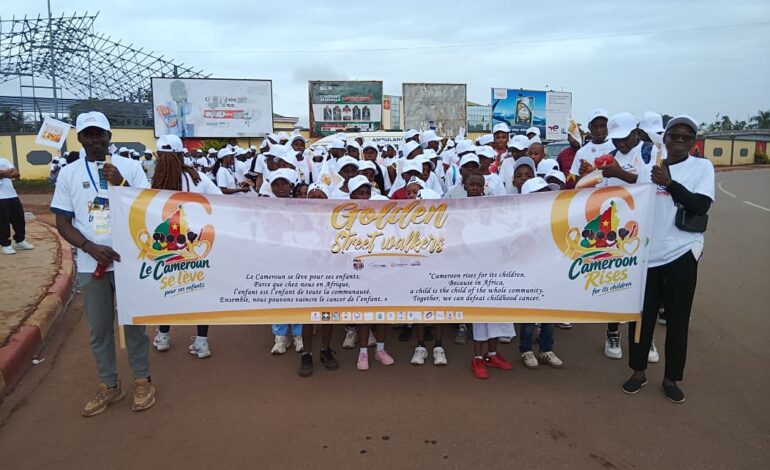
“We want every Cameroonian to know that even 100 francs can be useful to children affected by cancer. We want to show, and we have shown with our children since 2021, that we, as Cameroonians, each of us at our own small level, can be useful. Because in Cameroon and in Africa, a child does not belong to just one family or area. The child is the child of the community. Together we can defeat cancer. The Happy Class project has already educated 53 students since 2024.” she said.
Statistics on childhood cancer in Cameroon
Childhood cancer is a silent epidemic, with an estimated 1,500 children developing the disease annually, while less than 25% are ever diagnosed. Due to severe resource constraints, high costs, and delayed medical care, the survival rate for a child diagnosed with cancer in Cameroon plummets to a heartbreaking 10% to 20%, in stark contrast to the 80% survival rate seen in high-income nations.
However, the battle is ongoing. Due to weakened immune systems, these children cannot return to public schools. This is why Mori'sChild Foundation maintains a permanent fundraising campaign. Donations do not only sustain the school program but also directly support families by funding critical medical supplies (such as syringes and gloves) and oncology treatments.
Because, as the foundation beautifully reminds us: “Every child has the right to dream.”