Poverty is rarely just a line on a ledger or a reflection of insufficient income. According to Alexander De Croo, the Administrator of the United Nations Development Programme (UNDP), poverty is a visceral, daily reality defined by what is missing from a family's life: "An empty plate. A home without electricity. A child who cannot go to school. A family without clean water."
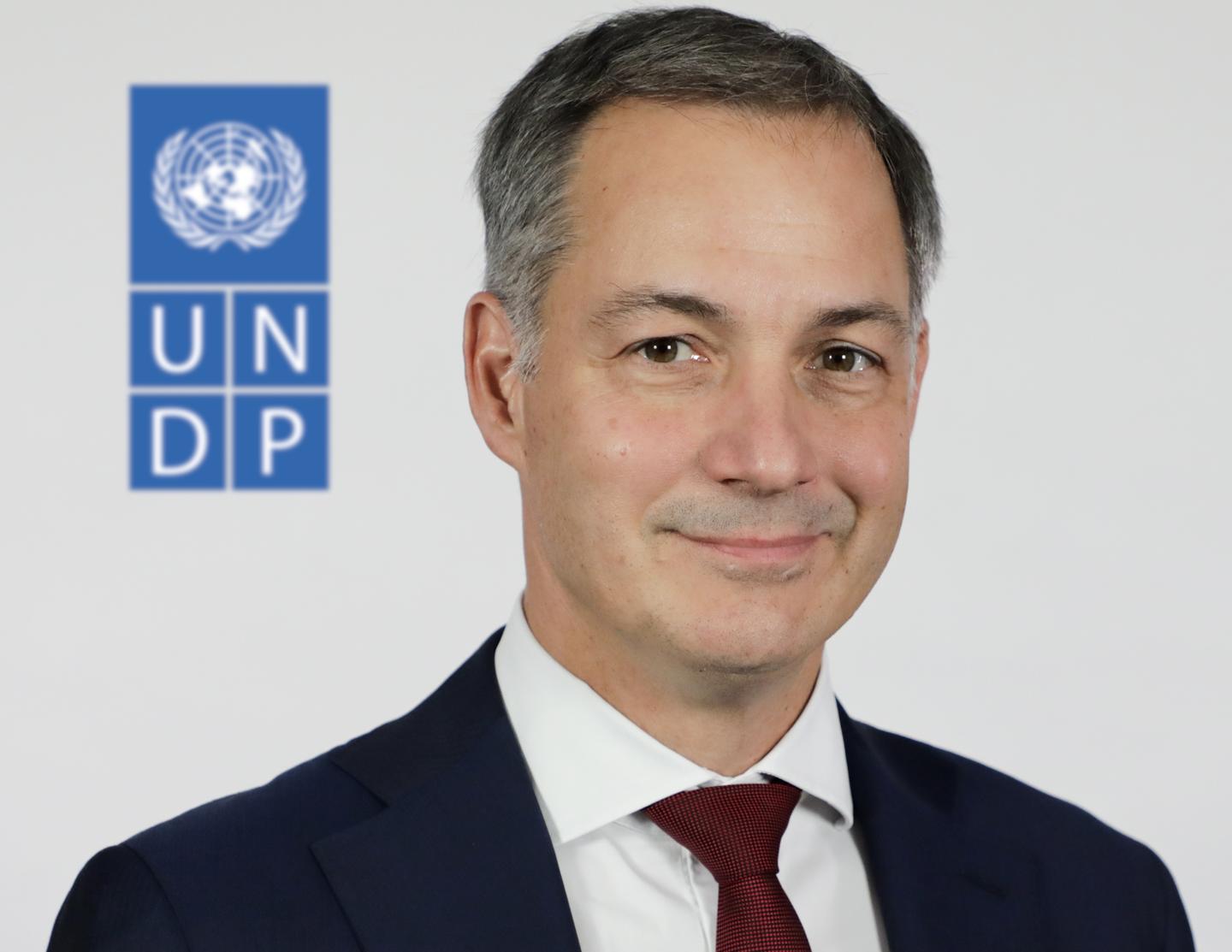
In his official address marking the International Day for the Eradication of Poverty, De Croo highlighted a sobering statistic from the 2026 Global Multidimensional Poverty Index: today, 1.2 billion people live in multidimensional poverty. These individuals face overlapping hardships that strip away their choices, opportunity, and basic human dignity.
The Myth of "Just Working Harder"
A central pillar of the UNDP chief’s message is a direct challenge to the conventional wisdom that employment alone is a guaranteed escape from destitution. De Croo illustrated this by sharing the story of a woman selling vegetables at a local market. She works grueling, long hours but still fails to earn enough to support her family.
"Working harder will not fix that," De Croo stated bluntly. Instead, structural failures prevent her from breaking the cycle. To truly escape poverty, entrepreneurs and workers at the margins do not just need more labor; they require specific infrastructure—like cold storage to keep produce fresh, affordable loans to reinvest in their business, and logistical channels to reach broader customer bases.
The global takeaway is clear: The world needs more jobs, but above all, it needs better jobs. Employment must offer livable wages, safe working conditions, healthcare protections, and the stability required to plan for the future.
The International Day for the Eradication of Poverty is observed globally every year on October 17.
Officially recognized by the United Nations in 1992, this day aims to raise awareness about the need to end global poverty and destitution while amplifying the voices of people living in poverty.
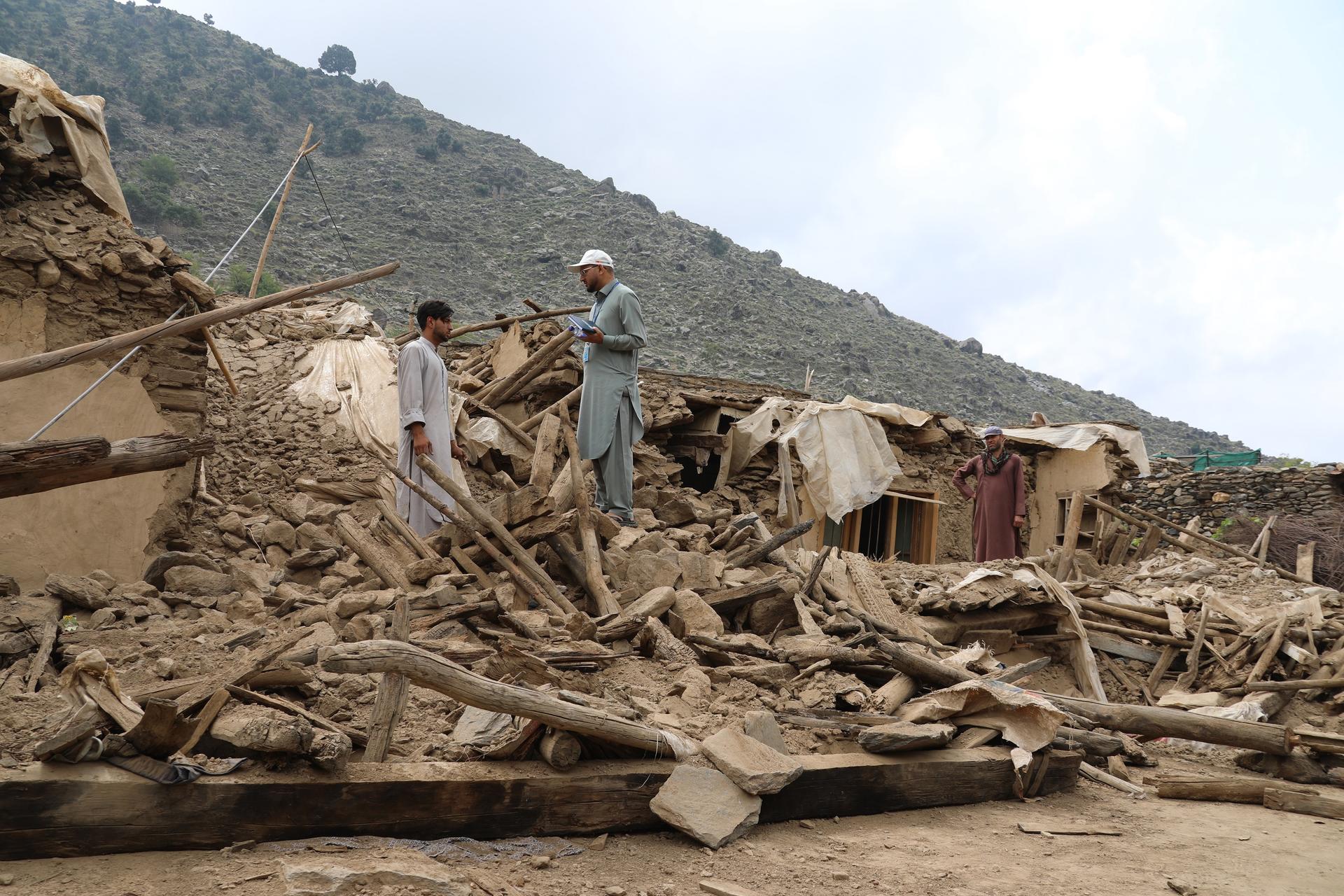
Poverty is not just a lack of income. It is a multidimensional violation of human rights that encompasses dangerous working conditions, unsafe housing, lack of nutritious food, and limited access to healthcare and education.
Timesnews2.info