



Arbre de Noël : Les Pygmées Baka de Mimbil en Fête
Les enfants de Mimbil et environs ont été auréoles par des jolis cadeaux offerts par la Première Dame, Madame Chantal Biya a quelques jours de la nativité. Côté cœur, on en raconterait dans une encyclopédie. En somme, les œuvres sociales de Mme Chantal Biya sont aussi abondantes qu'importantes. Elles ont même traversé les frontières nationales camerounaises. Cette fois, le dévolu a été jeté sur les Pygmées Baka de Mimbil et environs. Nous sommes là, dans l'arrondissement de Bengbis au Sud du pays. Les journées du 8 et 9 décembre 2023 ont été prises pour abriter la 23e édition de cette manifestation de solidarité autour des lumières de l'Arbre de Noël. Il s'est agi de la remise des centaines de cadeaux aux enfants Baka. Tout autant, occasion était offerte pour danser et partager de nombreuses denrées alimentaires envoyées par Mme Chantal Biya, Nyia Meyong (la Mère des peuples). Les Pygmées Baka de Mimbil ont dit MERCI. Cette opportunité à eux offerte leur a permis de formuler quelques doléances. Le désenclavement, les soins infirmiers et l'éducation étaient en tête de leur liste. Cette cérémonie a bénéficié de la contribution technique du coordonnateur national de l'Association Jeunesse Consciente pour le Président (JCP), M. Otchamzo Noumabouck.
Read More
La Plateforme Unity, Réseau des Organisations à Base communautaire Milite pour Une Compréhension de Vie de Tout un Chacun
Dans le cadre de son projet dénommé : "TOGETHER", la Plateforme Unity poursuit sa campagne nationale qui a pour objectif de promouvoir l'inclusion sociale et de lutter contre les fléaux qui minent notre société. A travers ce spot en anglais et français, la Plateforme Unity plaide pour une approche à la compréhension des choix de vie et d’orientation de chaque être Humain. La Plateforme Unity, réseau de 33 organisations à base communautaire a initié cette campagne de promotion des droits humains et d’éducation sur les questions de genre et d’identité. Le projet dénommé : « TOGETHER » veut apporter sa contribution à l’édification d’une société où les inégalités, l’intolérance, la discrimination et la stigmatisation ne feront plus autant de victimes.
Read More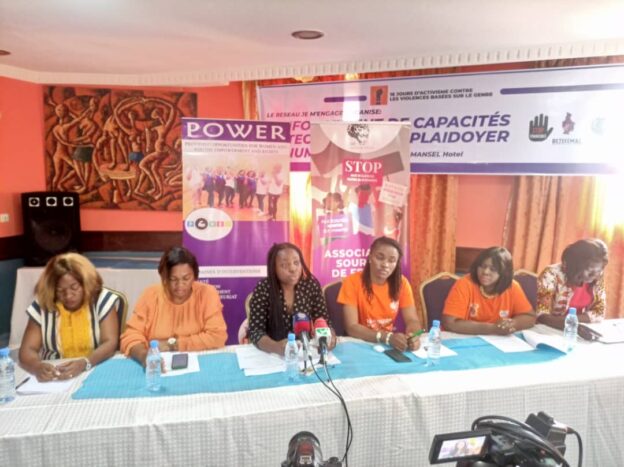
Lutte Contre les VBG : #StopFéminicides237 Appelle le Gouvernement à Mettre En Place des Mesures Répressives
Les membres du collectif #StopFéminicides237 étaient face à la presse le Jeudi, 30 Novembre 2023 à Yaoundé, Cameroun. « Les féminicides au Cameroun connaissent une augmentation inquiétante. Ces crimes sont de plus de plus en violents. De l’affaire Vanessa Youbi à la dernière en date de Diane Yangwo qui a suscité l’émoi de l’ensemble de la société camerounaise. Ce sont en majorité des féminicides intimes perpétrés par les maris, partenaires ou ex-partenaires des victimes. Ces tendances sont préoccupantes car elles indiquent que la violence contre les femmes est de plus en plus banalisée et répandue au Cameroun. Elles appellent à une action urgente des pouvoirs publics et des acteurs de la société civile pour prévenir, punir et éradiquer les violences. » C’est sur ces propos d’entame que les membres du collectif #StopFéminicides237 ont planté le décor lors de la conférence de presse qui s’est tenue le jeudi 30 Novembre 2023 à Yaoundé. Cette conférence de presse qui fait partie des multiples activités du collectif, est l’une des articulations des 16 jours d’activisme contre les violences basées sur le genre (VBG), qui sont observés du 25 Novembre au 10 Décembre de chaque année. Avec le cœur à la main, ces activistes reconnues pour leur travail dans les communautés ont tenu à exprimer leur ras-le-bol face aux meurtres des femmes et jeunes filles mais aussi de mettre en vitrine leurs doléances à l’endroit du gouvernement camerounais. Au vu de la recrudescence des cas de féminicides, et qui sont dénombrés à 61 à ce jour, les membres du collectif #StopFéminicides237 sont montées au créneau pour un énième cri de détresse. Viviane Tathi Yende, membre du collectif et par ailleurs Coordonnatrice Exécutive de l’association Sourire de Femmes, a tout d’abord déroulé le bien-fondé de cette rencontre avec les médias. Elle a souligné le fait que le collectif a tenu à informer les hommes et femmes de médias sur ses nombreuses activités qui ont été déjà mises sur pieds et celles qui seront lancées à travers le triangle national. Madame Tathi Yende a mentionné le fait que le collectif #StopFéminicides237 veut engager des nouveaux acteurs dans cette lutte qui est aujourd’hui une préoccupation majeure dans la société. De ces propos, l’on retient également que l’heure est à l’action et à des mesures coercitives. Sur le plan juridique, il faut mettre des mesures répressives et ajoute à cela, il ya le fameux code de la famille qui doit être adopté, pour des avancées positives. Les jeunes féministes ne sont pas allées de main morte, elles ont une fois de plus appelé le gouvernement camerounais à saisir le taureau par les cornes. Pour paraphraser ces féministes qui étaient sous le feu des projecteurs, l’éducation de nos populations est cruciale. Il est important de faire comprendre la gravité des féminicides qui sont encore regardées comme des faits divers dans notre société. « Il faut que la saignée cesse ! Les féminicides sont une cause commune et qui appelle à un combat de tous les acteurs ! » C’est la substance des paroles soulignées par Caroline Mveng, membre du collectif, Coordonnatrice de l’association « Elles Rayonnent Ensemble », et qui est également la présidente du Réseau des Jeunes Féministes d’Afrique Centrale (REJEFEMAC). Caroline Mveng a, à la suite de Viviane Tathi Yende, déroulé les onze (11) recommandations émises par le collectif à l’endroit du gouvernement. L’on note entre autres : N°1 : Réforme juridique en lien avec la protection des droits de la femme ; N° 2 : Réforme du système judiciaire pour renforcer la répression des VFF ; N° 3 : Allocation des ressources budgétaires nécessaires pour la lutte contre les VFF ; N° 4 : Perfectionnement des mécanismes de prise en charge des victimes et des enfants victimes secondaires des violences ; N°5 : Intensification de la formation de tous les acteurs intervenant dans la gestion des cas de VFF ; N°6 : La promotion de l’éducation aux VFF ; N°7 : Mise en place d’un système de collectes de données sur les VFF fiable et efficace au Cameroun ; N° 8 : Vulgarisation des "Gender-Desk" ; N°9 : Responsabilisation des médias dans la lutte contre les VFF ; N°10 : Promotion de la recherche sur les VFF au Cameroun ; N°11 : Instauration d’un dispositif d’évaluation des mesures. Aux côtés de Viviane Tathi et Caroline Mveng, d’autres membres du collectif se sont exprimées sur le sujet. Estelle Noumbou, Suzanne Bilo’o et Florence Ritha Nga, membres de ce collectif ont également levé un cri de détresse. Il est question que le collectif dans les jours à venir organise une série d’activités telles que : des rencontres avec les députés et sénateurs ; des campagnes de sensibilisation dans les dix (10) régions du pays et accentuer la communication dans les médias. Bien que le collectif soit jeune, il est dynamique de par ses multiples actions et des résultats probants. Les jeunes féministes du collectif ont indiqué qu’elles ont adressé une lettre au Président de la République. Elles ont mené une tournée médiatique ; une campagne de « 15 jours d’engagement contre les violences faites aux femmes » durant la période du 15 juillet au 30 juillet 2023 ; une campagne en ligne ; un cours de self-défense dans les villes de Yaoundé, Ngaoundéré et Maroua et un webinaire de clôture sur le thème : « Lutte contre les violences faites au Cameroun : défis et perspectives » Une séance de questions et réponses a également permis aux hommes et femmes de médias de comprendre de fond en comble le sujet qui est au cœur des débats dans les chaumières. Selon les dames du collectif #StopFéminicides237, il est important d’éduquer les masses, les sensibiliser sur les VBG et criminaliser les violences dans les foyers. Les journalistes ont été interpellés sur leur rôle clé dans cette croisade contre les VBG. Elles ont insisté sur le fait qu’en tant qu’un maillon important dans la chaine de développement, les médias doivent promouvoir les droits des femmes en particulier et ceux des humains en général. A propos de #StopFéminicides237 Le Collectif #StopFeminicides237 est un réseau de
Read More
Mise en œuvre du Projet JASRAC/FESADE : Les Encadreurs des Jeunes Renforcent leurs Capacités
Réunis par l’ONG FESADE, ils étaient 40 au total à être outillés du 22 au 24 novembre 2023 à Bertoua, région de l’Est Cameroun. Après la phase dédiée à la présentation du projet dénommé : « Jeunes en Action pour la SSRA au Cameroun » JASRAC/FESADE en abrégé, et de la cartographie sur la Santé de Reproduction dans les districts de mise en œuvre du projet, c’est-à-dire, à Bertoua, Doumé, Batouri et Garoua-Boulaï, les organisations à base communautaires, les associations, institutions et administrations impliquées dans ledit projet ont été réunies une fois de plus à Bertoua du 22 au 24 Novembre 2023, ceci pour un atelier de renforcement des capacités. Cette deuxième rencontre organisée par l’ONG Femmes-Santé-Développement (FESADE) et son partenaire technique et financier, « Population Action International » (PAI), avait pour objectif général : de renforcer les capacités des 40 encadreurs/intervenants de jeunes sur la mise en œuvre du projet de renforcement de l'accessibilité et la disponibilité des services de santé de reproduction et des produits contraceptifs en direction des jeunes en prenant en compte les priorités nationales. Les participants à cet atelier de trois jours étaient des leaders d’associations, les encadreurs des jeunes et de mouvements de jeunesse ainsi que des représentants des administrations publiques telles que les délégations régionales de la santé publique ; de la promotion de la femme et de la famille ; de la jeunesse et de l’éducation civique ; des enseignements secondaires ; et des affaires sociales. Tous ces acteurs impliqués dans le projet depuis son lancement officiel en septembre 2023 ne cessent d’œuvrer pour que les indicateurs qui sont au rouge puissent connaitre des avancées. Ils ont exprimé leur engagement et dévouement une fois de plus au cours de cet atelier, qui a permis qu’ils soient capacités sur des thématiques générales telles que : la planification familiale, d’éducation complète à la sexualité (ECS), la sexualité humaine, la communication et stratégies pour ne citer celles-ci. Pour une compréhension accrue du projet et de tous les plaidoyers qui se font autour du Dossier d’investissement, les participants ont été outillés sur le « Global Financing Facility » et ont également eu droit à une présentation sur l’ONG FESADE et ses différentes activités menées depuis sa création en 1993. Une présentation faite par Valérie Gystiane Tsemo, la Chef du projet JASRAC au sein de FESADE. Comme lors de la première réunion qui s’est tenue en septembre 2023, Valérie Gystiane Tsemo a déroulé les enjeux et attentes de ce projet qui met sous le feu des projecteurs les jeunes qui sont eux-mêmes les pilotes de leurs activités. Une innovation majeure qui a été apprécié par plusieurs leaders d’associations et de mouvements qui sont aptes à relever les défis. Joseph Kombo, président national de l’association culture et art gbaya (Culartgba) a salué cette initiative qui permettra de mettre en exergue les prouesses des jeunes leaders d’associations qui selon lui, sont souvent mis en « back office » dans certains projets qui concernent la jeunesse. Il dit : « Faire sans les jeunes c’est ne pouvoir pas atteindre un résultat mais mettre le jeune au centre de l’activité permet d’avoir un impact. Le projet je l’apprécie à juste titre parce que c’est un projet qui va permettre à la jeunesse elle-même d’être actrice de son propre avenir en ce qui concerne la santé reproductive... » Au vu de la situation qui prévaut dans la région de l’Est Cameroun, le projet JASRAC vient véritablement à point nommé selon les participants interviewés qui ont mis en vitrine un bon nombre de problèmes qui affectent par exemple, l’accès aux unités de santé de reproduction pour les adolescents et jeunes et même des produits contraceptifs. Zack Nyam, Responsable de ASVORED indique que, tres peu d’adolescents et jeunes fréquentent des unités de santé de reproduction parce que les services ne sont pas adaptés aux besoins de ces jeunes. Le responsable de l’association ASVORED qui est basé à Bertoua, chef-lieu de la région du soleil levant, souligne le fait qu’il faudrait qu’on revoie les besoins notamment en matière de produits contraceptifs pour susciter une fréquentation récurrente de ces unités. Il indique que les jeunes ont besoin d’être écouté et conseillé sur leur éducation sexuelle et il est important de mettre ces unités à niveau ainsi que le personnel pour que les adolescents et jeunes aient plus un engouement. Dans le district de Santé de Doumé, il a été démontré également que les besoins sont criards en matière de produits contraceptifs, de counseling et même d’éducation des populations adolescentes et jeunes. Eddy Ledoux Nkom, Coordonnateur de ACE-COP Monde à Doumé dans le diocèse d’Abong-Mbang a souligné le fait que le mouvement religieux qu’il pilote accompagne plus de 500 adolescents et jeunes, et ce projet est une plus-value pour faire avancer les nombreuses activités qu’ils mènent sur le terrain au quotidien notamment en termes d’éducation à la sexualité des jeunes. Avant la fin de cette session de trois jours de formation et d’échanges, les participants et facilitateurs ont élaborés une série de recommandations telles que : la mise sur pied d’une plateforme régionale ; la rencontre des différents responsables ; le renforcement des capacités des comités ; le suivi des indicateurs ; l’implication des organisations et de la société civile et l’utilisation de certaines techniques de questionnement d’évaluation afin d’atteindre des résultats probants. D’après l’ONG FESADE, le projet JASRAC recherche une meilleure inclusion des jeunes en tant que ressources humaines de premier ordre dans le processus de Dossier d’Investissement afin d’atteindre durablement les indicateurs recherchés en matière de santé maternelle néonatales et infanto juvénile. Elise Kenimbeni
Read More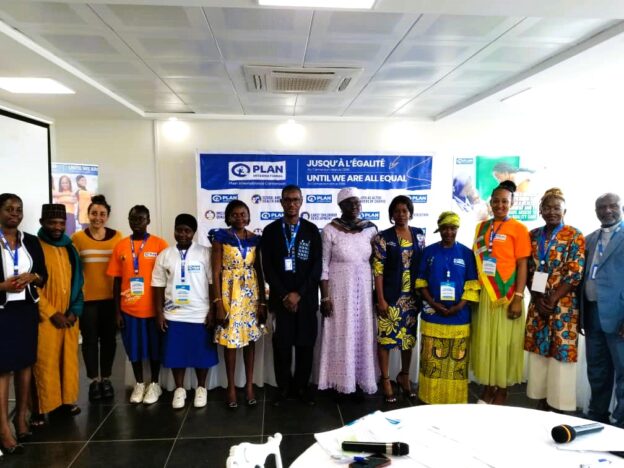
Regional Girls’ Summit: Plan Int’l Cameroon Commits to Breaking Barriers & Stereotypes
At the two-day regional girls’ summit, the Country Director of the humanitarian organization expressed their ambition to support the government in promoting girls’ rights and breaking all barriers that keep girls at the back. From November 29 to 30, 2023, some 50 students and young girls were convened in Bastos, Yaounde to take part in a two-day regional girls’ summit organized by Plan International Cameroon. The summit as indicated by Plan International Cameroon enters within the framework of the 16 days of activism against gender-based violence whose theme is: “Investing to prevent violence against women and girls.” The main objective of this summit is to: promote a synergy of reflections and actions that put the rights of young girls at the heart of concerns, in order to understand and support young girls in a coordinated and effective manner, in the face of their specific obstacles. Promoting Girls’ Rights Speaking at the kick-off of the summit on Wednesday, 29th November 2023, the Country Director of Plan International, Mohamed Bah said the come-together which falls in line with 16 days of activism and the continuation of activities marking the International Day of the girlchild, aims at diagnosing some ills to which young girls are exposed to. Mr. Bah added that girls are subjected to physical, environmental, and online dangers. He said: “As we witness a series of movements and actions aimed at restricting the rights of girls and women and rolling back progress on gender equality, we see that the consequences are particularly severe for girls. Be it maternal healthcare, access to quality education, parenting support for teenage mothers, digital and life skills training, leadership, comprehensive sexuality education, support services for survivors, or violence prevention programs, there is an urgent need to give more attention and resources to the key areas that enable girls to exercise their rights and realize their full potential.” Just like on other occasions, Mohamed Bah reiterated the staunch support of his organization to the government. “Today, in more than 85 countries around the world and Cameroon for more than 27 years, we continue to support all the players in the protection chain and the government of Cameroon in their respective strategies to advance girls’ rights.” He said. He equally recognized the role of young girls as game changers in the development of the country though their potentials are not fully explored. “We recognize that every single day, girls and young women around the world are creating real change but your potential is not being fully recognized or utilized. It is critical that you are provided with access to key decision-making spaces. Statistics show that at this rate, it will take another 131 years to achieve gender equality but we are ready to stand by you to speed up the process.” Moreover, Mr. Bah narrated: “Plan International works to advance children's rights and equality for girls. Our ambition is to break the barriers and stereotypes that keep girls at the back, preventing them from achieving their full potential. We engage with partners to empower children, youths, and their communities to make vital changes that tackle the root causes of discrimination against girls, exclusion, and vulnerability…” On behalf of Women’s Empowerment and the Family Minister, Inspector Number 1 took the floor to praise the multiple efforts and support of Plan International Cameroon who, through the project dubbed “Plan for Girls” constructed and equipped some empowerment centers in some parts of the North region. Madam Maïpa Wespa seized this occasion to highlight the numerous actions undertaken so far by the Ministry of Women’s Empowerment and the Family since its creation on December 21, 2012. In her keynote address, the Representative of MINPROFF said the summit was called on at a crucial moment, as there is an increase in the cases of women and girls murdered due to violence perpetrated on them. She revealed that Cameroon adopted on July 25, 2023, a law under the Charter on Child Protection, to protect children online. “We equally have a program of positive parenthood where we upskilled parents on how to educate and follow up their children. And together with other administrations, we organize series of sensitization campaigns on ills affecting children.” She narrated. During the interview granted to media practitioners, Mrs. Maïpa Wespa said at the level of the Ministry of Women’s Empowerment, there is a multi-sectoral plan of action to fight against early child marriages and a free-toll line (116) which helps us to be in touch with children who call for diverse issues. Girls As Key Actors The Yaounde Regional Girls’ Summit initiated by Plan International Cameroon acts as a safe space for discussions for young girls who are students and those involved in income-generating activities. During the two-day event, these young champions expressed the will to fully engage in society as agents of change and development. The conversations led by Imeilda Simo, Gender Specialist, and Indira Banga, Youth Coordinator at Plan International Cameroon, paved the way for an inter-generational dialogue with some parents, administrative authorities, and religious leaders present. Plan Cameroon’s Gender Specialist, Imeilda Simo said the organization thought it wise to put girls at the forefront, given the vital role they have in society. The regional girls’ summit is also a way to foster and enhance the inner capacities of young girls as she outlined. Clothilde, 25, is one of the young participants at the regional girls’ summit. The young hairdresser benefited from the “project Avenir II” of Plan International, and today knows her rights. At her tender age, Clothilde was deprived of her right to education because she was an orphan. Through this summit, she wishes to upgrade her skills to later educate other girls to not fall prey to such situations. “I feel concerned about gender equality, I feel concerned about the rights of girls and women. I stopped school not because I wished to but because I found myself in a particular environment where as a child, I could not decide for myself. People used
Read More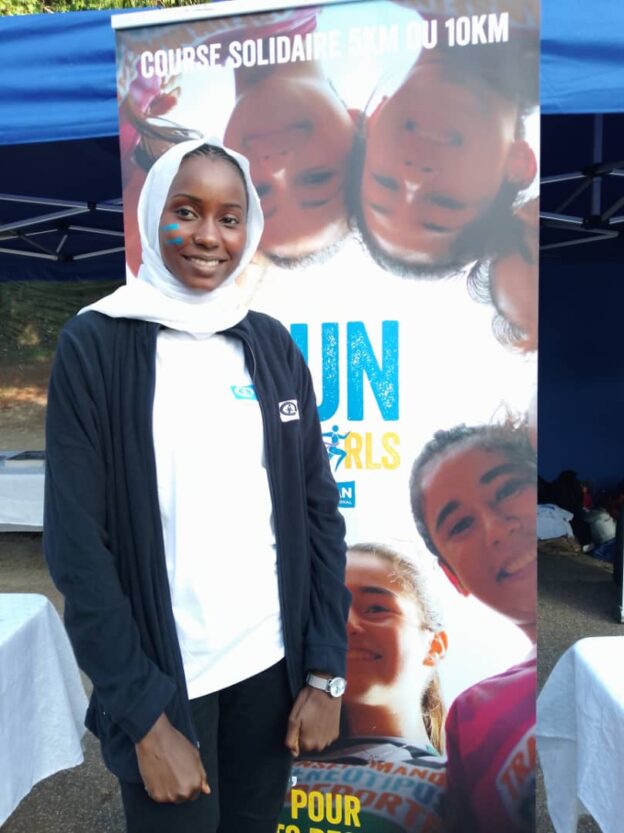
16 Jours d’Activisme : Sadia Madi Prône la Rupture du Silence des Victimes
Sadia Madi fait partie de ces féministes qui militent pour les droits des femmes et des jeunes filles dans la région de l’Extrême-Nord Cameroun. Elles sont nombreuses à avoir regagné le goût à la vie après plusieurs années de violences physique, de mariages précoces, des abus sexuels et de rejet en communautés, ceci grâce à l’association des jeunes engagés et unis pour le développement participatif (AJEUDEP). Cette jeune association basée à Maroua dans la région de l’Extrême-Nord Cameroun ne cesse de démontrer ses prouesses à travers le dynamisme de sa présidente, Sadia Madi. Cette jeune défenseure des droits de l’Homme et féministe engagée, œuvre depuis plus de cinq (05) déjà à restaurer la dignité des femmes et jeunes filles dans cette partie du pays où les droits de ces dernières sont très souvent bafoués. Militante des droits de l’Homme dans l’âme, Sadia a fait de la lutte contre les violences basées sur le genre (VBG), et de l’autonomisation des femmes et jeunes filles son cheval de bataille. Elle vit pour l’épanouissement des victimes des VBG. Croisade contre les VBG Parmi les nombreuses victimes des violences basées sur le genre que l’AJEUDEP a suivi sur le plan psychologique et a par ailleurs formé à la réinsertion économique, il y’a Fatima (nom d’emprunt pour des raisons de sécurité). Fatima, victime de violences physique et de mariage précoce est aujourd’hui mère de deux enfants. Elle est partie en mariage de forceps alors qu’elle était âgée de 15 ans et faisait la classe de 5eme. Celle-ci a été contrainte d’épouser un homme de la soixantaine pourtant elle voulait poursuivre ses études pour un avenir radieux. Comme plusieurs jeunes filles de son âge, Fatima a été « chassée » du domicile familial par ses parents qui n’ont qu’eu d’yeux pour de l’argent. Fatima relate : « Ils m’ont demandé de laisser mes études pour partir en mariage sinon ils ne payeront plus jamais mon école et je perdrais leur considération. Espérant qu’ils allaient un jour changer d’avis pour me comprendre, j’ai résisté à cette décision mais ça n’a pas était le cas, ils sont restés sur leur position. Étant désespérée, j’ai continué à aller à l’école. Cependant, à l’école, on me chassait toujours pour insolvabilité des frais de scolarité mais je repartais à l’école chaque fois, ceci jusqu’au jour où le proviseur m’a demandé de ne plus mettre mes pieds dans l’enceinte de l’établissement si je n’avais pas d’argent. Je suis rentrée à la maison et n’ayant plus le choix car je devais choisir entre le mariage et être expulsée de la famille, je me suis repliée sur moi-même et j’ai obéit à mes parents. J’ai opté pour le mariage. » Mariée à l’âge de 15 ans, la vie de Fatima n’a pas été un fleuve tranquille. Elle a subi tout genre de violences et sévices, ensuite a pris la poudre d’escampette avec ses deux enfants. Selon la victime qui a été encadrée par AJEUDEP, c’était une question de vie ou de mort. Elle ajoute : « Arrivée dans mon foyer conjugal, j’ai découvert que mon mari avait épousé trois (03) autres femmes et il avait des enfants. Au fil des mois, mes journées n’étaient pas paisibles dans cette maison. Ce foyer est devenu insupportable avec les injures et les humiliations qui étaient récurrentes. Malgré mes plaintes, mon mari faisait la sourde oreille. J’ai vécu le martyr. Et un jour, mon mari a levé la main sur moi. Il m’a battu. C’était devenu une routine. J’ai pu m’échapper et abandonner ce mariage. Aujourd’hui, mon plus grand regret est de ne pas avoir poursuivi mes études pour atteindre mes ambitions et j’ai perdu ma vie complètement. J’ai perdu espoir mais grâce à l’association AJEUDEP, je peux dire que j’ai repris goût à la vie. L’équipe de cette association m’a appris à regagner confiance en moi. Ensuite, j’ai été formée en couture car il fallait à tout prix que j’apprenne un métier afin de nourrir mes deux enfants puisque le père s’est désengagé de ses responsabilités. J’ai décidé de recommencer une deuxième vie malgré la stigmatisation de la société qui me considère comme un objet de deuxième main. » Le vécu de Fatima est également celui de plusieurs jeunes filles qui sont impuissamment poussées entre les mains des hommes âgés dans certaines régions du pays où ce fléau de mariages précoces perdure. Sadia Madi, une activiste pas comme les autres Dans la région de l’Extrême-Nord, précisément dans le département du Diamaré, la jeune féministe a su imprégner ses marques. En cinq ans d’existence, son association n’a cessé d’œuvrer pour les femmes et jeunes filles aux côtés du gouvernement et plusieurs organismes internationaux qui militent pour les droits de la gent féminine en général et de l’Egalite de genre en particulier. « Ce combat sur les VBG notamment sur les questions de mariages précoces et forcés est mené depuis 5 ans à travers un mécanisme de prévention, et de dénonciation. Et ces actions ont toujours portées de résultats sur le terrain, ce qui se justifie par :un taux de dénonciation élevé ; la scolarisation de la jeune fille qui augmente de plus en plus ; l’implication des parents, des leaders traditionnels et religieux dans la dénonciation ; un taux élevé d’inscription des jeunes filles au centre de promotion de la femme et de famille afin d’apprendre un métier rentable ; un accompagnement des jeunes filles déscolarisées par le CPFF pour leurs insertions économiques. » a-t-elle indiqué lors de notre interview. Selon la jeune activiste, il est question de travailler en synergie avec les différentes administrations, institutions et autorités locales pour mettre à nu ce fléau. A travers son association, elle a initié un bon nombre de stratégies qui permettent aux victimes de dénoncer leurs différents bourreaux et de briser le silence. « Les différentes stratégies mises sur pieds pour lutter efficacement contre les mariages précoces et forcés sont: les plaidoyers auprès des autorités administratives, les leaders traditionnels et religieux ; la sensibilisation dans les lieux de culte tel que les églises avec l’appui des responsables religieux ; Les sensibilisations par des témoignages des victimes ; l’illustrations
Read More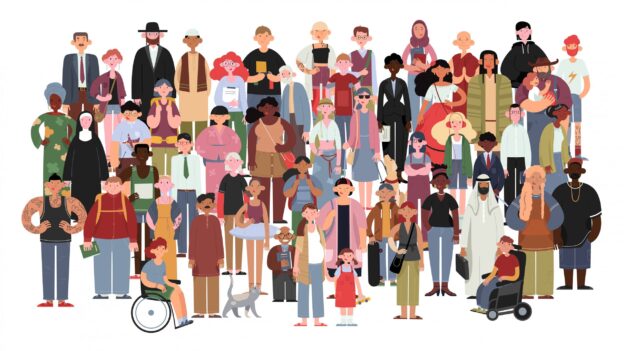
LA PLATEFORME UNITY PROMEUT UNE INCLUSION POUR TOUS!
Dans le cadre de son projet dénommé: "TOGETHER", la Plateforme Unity promeut l'inclusion pour tous. Une campagne qui a pour objectif de promouvoir l'inclusion sociale et de lutter contre les fléaux qui minent notre société. La plateforme unity, réseau de 33 organisations à base communautaire a initié cette campagne de promotion des droits humains et d’éducation sur les questions de genre et d’identité. Le projet dénommé : « TOGETHER » veut apporter sa contribution à l’édification d’une société où les inégalités, l’intolérance, la discrimination et la stigmatisation ne feront plus autant de victimes. Voici le spot en français et en anglais sur l'inclusion pour TOUS!
Read More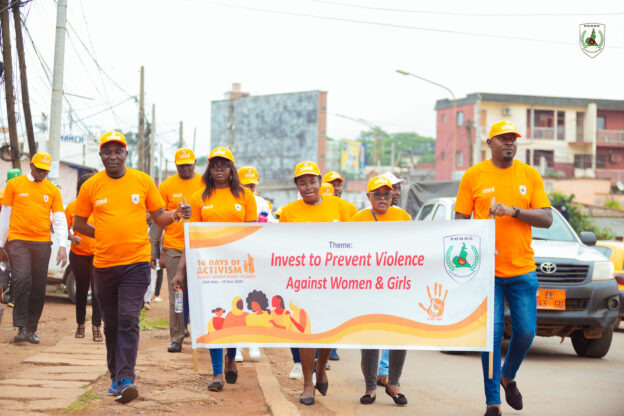
Stop aux Violences Basées Sur Le Genre : SOGOC Lance Sa Campagne
La Société des Gynécologues du Cameroun, SOGOC, a procédé au lancement de ses activités le jeudi 23 Novembre 2023 à Yaoundé dans le cadre des 16 jours d’activismes contre les violences basées sur le genre cette année 2023. Le point de départ était l’esplanade du siège de l’Ordre Nationale des Médecins du Cameroun au quartier Nkol-Eton au cœur de Yaoundé la capitale du pays. Cette première activité, qui donne le ton des 16 jours d’activisme contre les violences basées sur le genre, a connu la participation de plusieurs acteurs des médias et autres partenaires de la SOGOC. Un évènement décliné en deux étapes. Une marche de dénonciation et de plaidoyer que les participants ont effectué sur un itinéraire spécifique. Ce dernier a permis d’arpenter la route Nkol-Eton – Rond-point Nlongkack – lycée Charles Atangana – Eglise Orthodoxe et retour à l’Esplanade du siège de l’Ordre National des Médecins du Cameroun. Durant ce parcours les participants vêtus de tee-shirts et casquettes de couleurs orange ont scandé « Non aux Violences basées sur le genre » le bras droit levé et la pomme de main ouverte en signe de protestation mais surtout de sensibilisation des populations qui, d’un œil curieux, regardaient et parfois se prononçaient en donnant leurs avis divergents sur la question des violences basées sur le genre. Après ce périple très animé, un échange de questions réponses a conduit le deuxième point de l’activité. Cette étape a été marquée par le mot de circonstance prononcé par le Pr Essiben Félix, Président de la SOGOC dans la région du Centre qui déclare : « Au Cameroun, la prévalence de la violence basée sur le genre est étroitement liée à la santé et aux droits sexuels et reproductifs de la femme camerounaise. Certaines des conséquences de la violence sexiste, violence domestique, viol, mutilation génitale, sur la santé de reproductive de la femme ne sont généralement pas soigneusement prises en compte. Prenons par exemple le cas d’une grossesse résultant d’un viol. C’est l’un des domaines restreints dans lesquels le système pénal autorise l’avortement sans risque. En un mot, l’autorisation de l’avortement au Cameroun est étroitement liée aux violences basées sur le genre et nous ne pouvons donc pas traiter chacun des sujets en exclusivité absolue. Aujourd’hui, la SOGOC se joint au monde pour mettre en lumière la fin des violences basées sur le genre et ses effets néfastes sur la santé de la femme camerounaise. » Il ajoute : « Nous appelons tous nos partenaires et non – partenaires travaillant sur les violences sexistes à s’engager activement dans ces activités et à avoir l’intention d’inclure des services liés à l’avortement pour les survivantes de viol. » Le thème mondial des 16 jours d’activisme contre les violences basées sur le genre est : « Investir pour prévenir la violence à l’égard des femmes et des filles ». Les activités vont se dérouler du 25 Novembre au 10 Décembre 2023. La SOGOC a prévu des activités de sensibilisation et des actions de communication par le truchement des médias sociaux ou classiques. La vision de la SOGOC se résume en cette phrase « Un Cameroun ou les soins de la santé de reproduction optimums seront disponibles, accessibles et abordables pour tous ». On estime que 736 millions de femmes, soit près d’une sur trois dans le monde, ont été victimes de violences physiques et/ou sexuelles de la part d’un partenaire intime, de violences sexuelles d’un autre partenaire, ou des deux, au moins une fois dans leur vie. Selon une étude mondiale réalisée par le Economist Intelligence Unit, 38 % des femmes ont eu des expériences personnelles de violence en ligne, et 85% des femmes qui passent du temps en ligne ont été témoins de violence numérique contre d’autres femmes. Le Pr Essiben Félix précise par ailleurs que : « Le droit des femmes et des filles de vivre sans violence est inaliénable et fondamental. Elle est inscrite dans le droit international des droits de l’homme et dans le droit humanitaire. Bien que l’égalité entre les femmes et les hommes soit garantie dans la constitution camerounaise, trop souvent les femmes se voient refuser la justice et la protection contre la violence. Cet échec ne vient pas d’un manque de connaissances mais plutôt d’un manque d’investissement et de volonté politique pour répondre aux besoins des femmes et protéger leurs droits fondamentaux. Il est temps de prendre ses responsabilités et ce moment est venu » Dénoncer et faire des plaidoyers pour que la loi soit coercive pour que les victimes entrent dans leurs droits et les bourreaux punis, toutefois, pour la SOGOC il faut aussi prévenir ces violences par exemple par l’investissement dans l’éducation des enfants dès le bas âge et sensibiliser globalement la société. Jean-Patient Tsala
Read More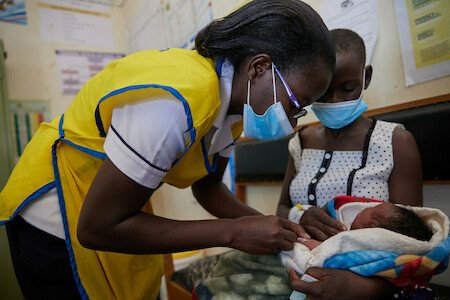
Shipments to African Countries Herald Final steps Toward Broader Vaccination Against Malaria
• More than 330,000 doses of WHO-recommended RTS, S malaria vaccine arrived last night in Cameroon- a historic step towards broader vaccination against one of the deadliest diseases for African children. • Malaria burden is the highest on the African continent, which accounted for approximately 95% of global malaria cases and 96% of related deaths in 2021. • With several African countries now finalizing rollout plans, an additional 1.7 million doses are set for delivery to Burkina Faso, Liberia, Niger and Sierra Leone in the coming weeks. • These shipments signal that malaria vaccination is moving out of its pilot phase, and lay the groundwork for countries to begin vaccinations through Gavi- supported routine immunization programmes in Q1 2024. GENEVA/NEW YORK/COPENHAGEN, 22 November 2023 – Shipments of the world’s first WHO-recommended malaria vaccine, RTS, S, have begun with 331,200 doses landing last night in Yaoundé, Cameroon. The delivery is the first to a country not previously involved in the malaria vaccine pilot programme and signals that scale-up of vaccination against malaria across the highest-risk areas on the African continent will begin shortly. Nearly every minute, a child under five dies of malaria. In 2021, there were 247 million malaria cases globally, which led to 619,000 deaths. Of these deaths, 77 per cent were children under 5 years of age, mostly in Africa. Malaria burden is the highest on the African continent, which accounts for approximately 95% of global malaria cases and 96% of related deaths in 2021. A further 1.7 million doses of the RTS,S vaccine are expected to arrive in Burkina Faso, Liberia, Niger and Sierra Leone in the coming weeks, with additional African countries set to receive doses in the months ahead. This reflects the fact that several countries are now in the final stage of preparations for malaria vaccine introduction into routine immunisation programmes, which should see first doses administered in Q1 2024. Comprehensive preparations are needed to introduce any new vaccine into essential immunisation programmes – such as training of healthcare workers, investing in infrastructure, technical capacity, vaccine storage, community engagement and demand, and sequencing and integrating rollout alongside the delivery of other vaccines and health interventions. Delivering the malaria vaccine has the added challenge of a four-dose schedule which requires careful planning to effectively deliver. Since 2019, Ghana, Kenya, and Malawi have been administering the vaccine in a schedule of 4 doses from around 5 months of age in selected districts as part of the pilot programme, known as the Malaria Vaccine Implementation Programme (MVIP). More than 2 million children have been reached with the malaria vaccine in the three African countries through MVIP – resulting in a remarkable 13% drop in all-cause mortality in children age-eligible to receive the vaccine, and substantial reductions in severe malaria illness and hospitalizations. Other key findings from the pilot programme show that vaccine uptake is high, with no reduction in use of other malaria prevention measures or uptake of other vaccines. MVIP is coordinated by WHO in collaboration with UNICEF and other partners, and funded by Gavi, the Global Fund, and UNITAID, with donated doses from GSK, the manufacturer of the RTS,S vaccine. The data from the pilot have shown the impact and safety of the RTS,S vaccine and provided important evidence on vaccine acceptability and uptake that helped inform the recent WHO recommendation of a second malaria vaccine – R21, manufactured by the Serum Institute of India (SII). Results of a phase 3 trial for R21 showed that the vaccine has a good safety profile in the clinical trial setting and reduces malaria in children. It is expected that, like RTS,S, when R21 is implemented it will have similar high public health impact. The choice of which vaccine to be used in a country should be based on programmatic characteristics, vaccine supply, and affordability. The R21 vaccine is currently under review by WHO for prequalification. The availability of two malaria vaccines is expected to increase supply to meet the high demand from African countries and result in sufficient vaccine doses to benefit all children living in areas where malaria is a public health risk. In preparation for scaled-up vaccination, Gavi, WHO, UNICEF and partners are working with countries that have expressed interest and/or have confirmed rollout plans on the next steps. These developments mean that broad implementation of malaria vaccination in endemic regions has the potential to be a gamechanger for malaria control efforts, and could save tens of thousands of lives each year. However, malaria vaccines are not a standalone solution. They should be introduced in the context of the WHO-recommended package of malaria control measures which include insecticide-treated nets, indoor residual spraying, intermittent preventive treatment in pregnant women, antimalarials, effective case management, and treatment, all of which have helped to reduce malaria-related deaths since 2000. Importantly, the MVIP showed that delivering vaccines alongside non-vaccine interventions can reinforce the uptake of other vaccines and the use of insecticide treated nets, and overall boost access to malaria prevention measures. “The world needs good news – and this a good news story,” said David Marlow, CEO of Gavi, the Vaccine Alliance. “Gavi is proud that our Alliance of stakeholders, with African countries at the forefront, took the decision to invest in the malaria vaccine as a public health priority, and that this support has played a part in the availability of a new tool that can save the lives of thousands of children each year. We are excited to rollout this historic vaccine through Gavi programmes and work with partners to ensure it is delivered alongside other vital measures.” “This could be a real game changer in our fight against malaria,” said UNICEF Executive Director Catherine Russell. “Introducing vaccines is like adding a star player to the pitch. With this long-anticipated step, spearheaded by African leaders, we are entering a new era in immunization and malaria control, hopefully saving the lives of hundreds of thousands of children every year.” “This is another breakthrough moment for malaria vaccines
Read MorePublicité

VISITEURS