By Elise Kenimbeni
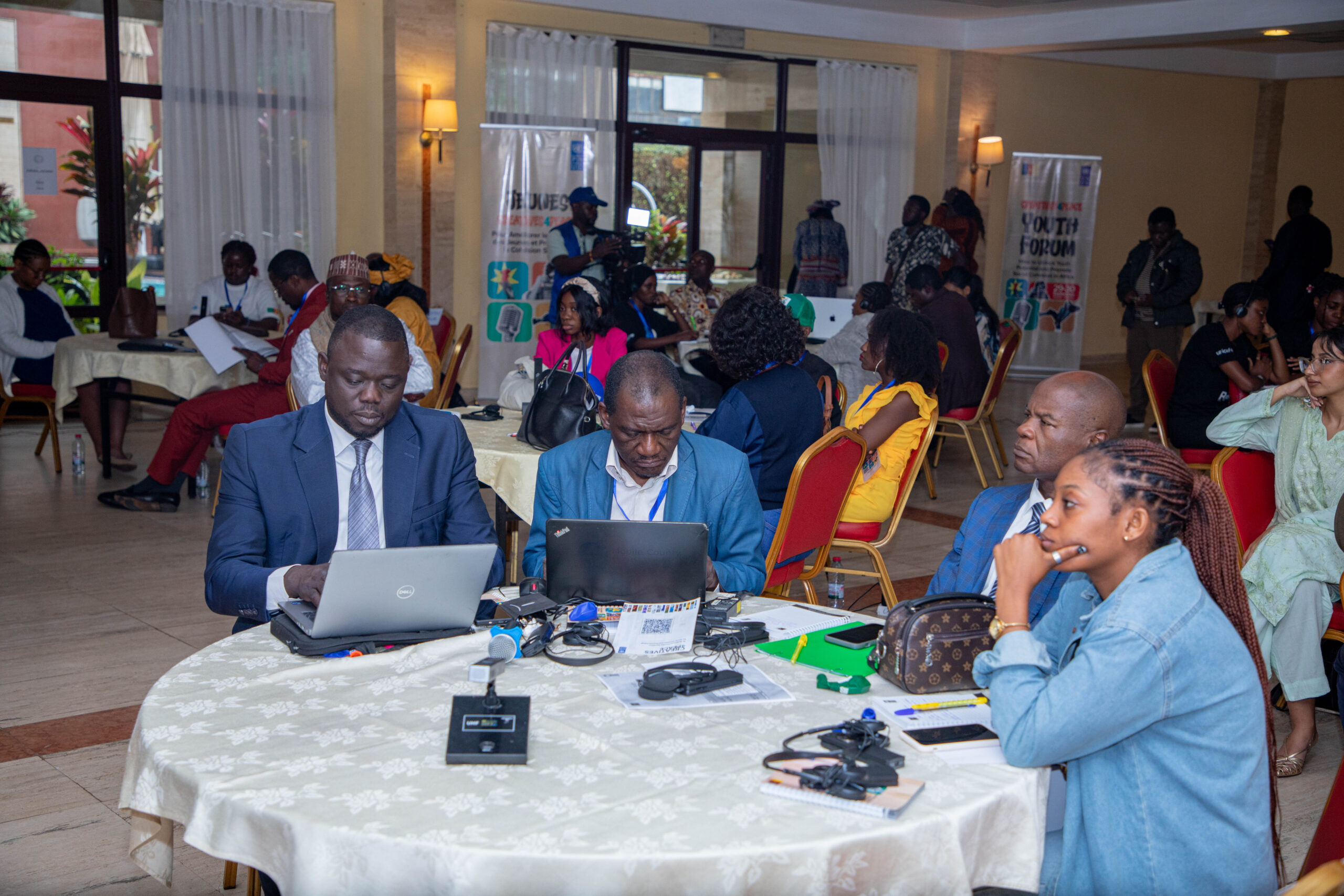
Yaoundé, Cameroon’s national capital, is hosting the prestigious Creatives4Peace Youth Forum from September 29 to 30, 2026. Focused on culture, peace, and youth economic empowerment, this landmark event is convened by the United Nations Development Programme (UNDP) Regional Service Centre for Africa and the Sub-regional Hub for West and Central Africa (UNDP WACA), in partnership with Samsung's Generation17 Young Leaders initiative and the government of Cameroon.
Youth at the Heart of Creative Industries
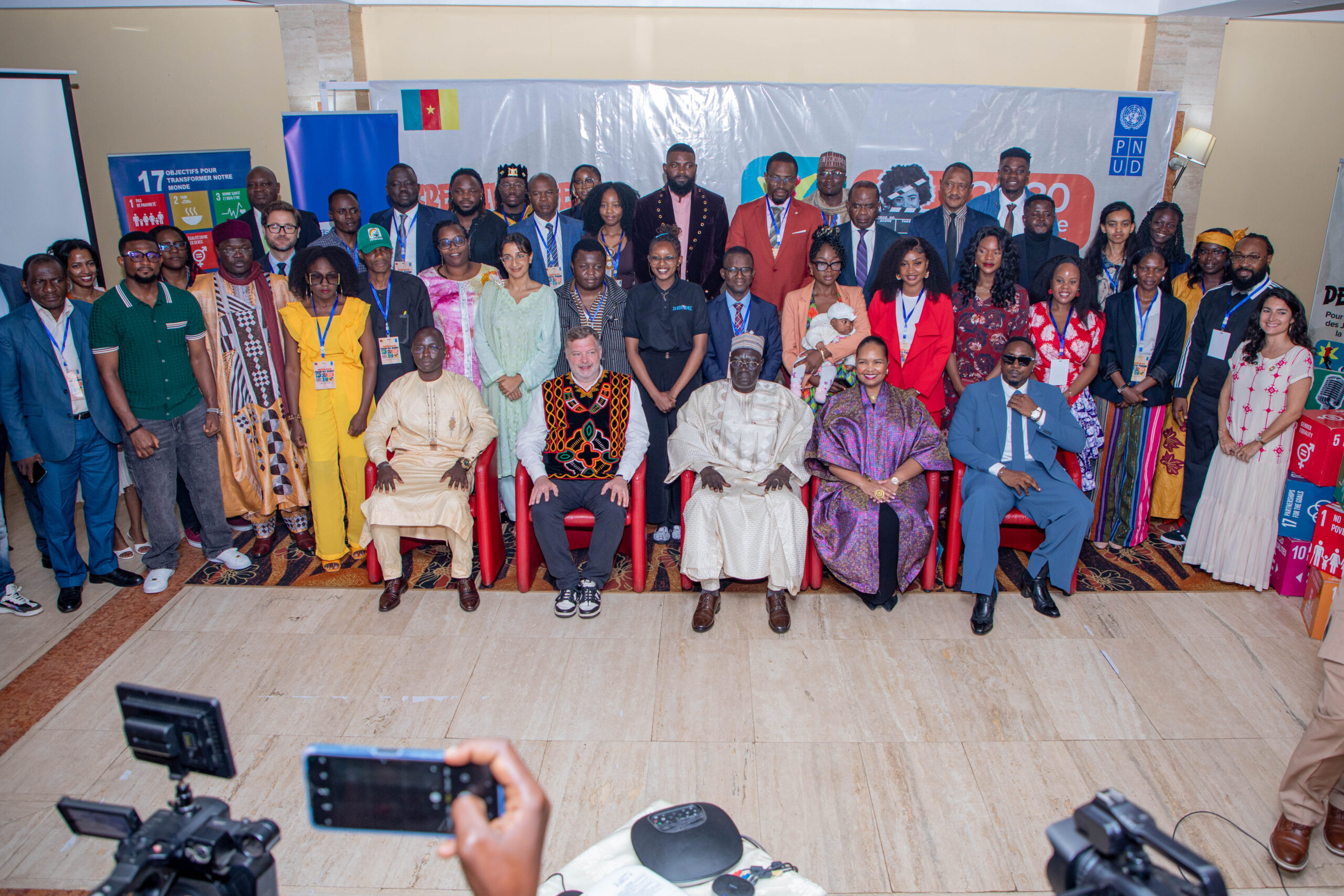
The two-day, high-level gathering brings together about 50 key participants, including young trailblazers from film, music, fashion, design, digital arts, and the performing arts. They are joined by representatives of regional Ministries of Culture, Sports, and Youth, the African Union, Regional Economic Commissions, and civil society organizations. Winners of the Youth Online Innovation Challenge and Generation17 Young Leaders are also in attendance to share how storytelling can bridge community divides and drive sustainable development.
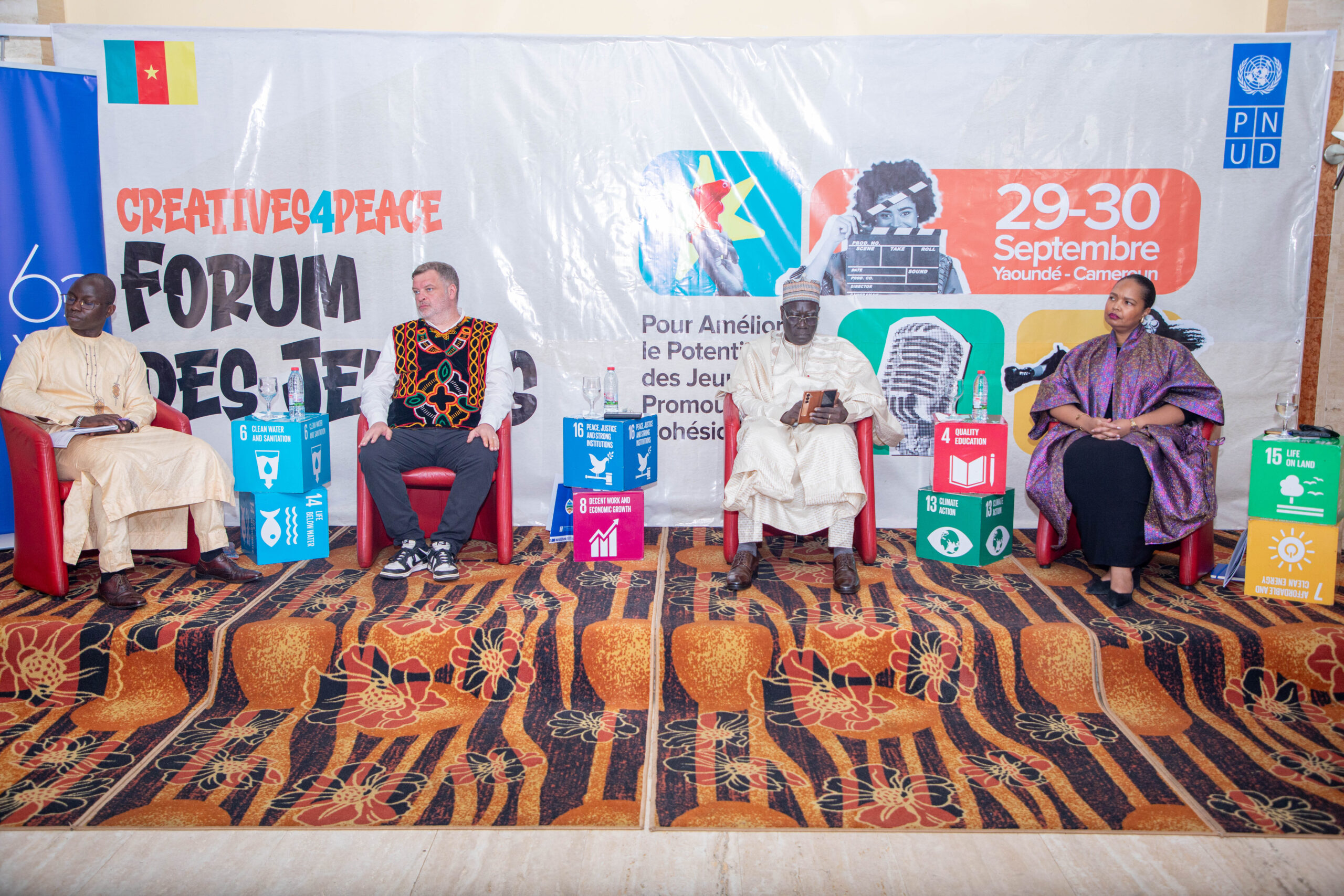
The Yaoundé youth forum was jointly presided over by the Minister of Youth Affairs and Civic Education, Mounouna Foutsou, alongside Martin Hart-Hansen, UNDP Cameroon Deputy Resident Representative, and Ms. Prudence Nonkululeko Ngwenya, Director of the Women, Gender, and Youth Directorate at the African Union Commission.
In his keynote address, UNDP Cameroon Deputy Resident Representative Martin Hart-Hansen indicated that culture and the creative industries are key assets in peacebuilding and development.
He stated: “In parts of Cameroon, particularly in the northwest, southwest and far north, and in communities hosting refugees and displaced people, young people have lived through disruption, loss and uncertainty. Yet it is often the artist, the musician, the filmmaker and the storyteller who keeps dialogue alive and helps communities imagine a future beyond conflict. A song can travel where an official message cannot. A film can help us see the world through another person's eyes. A story can challenge prejudice without creating another confrontation. And art can remind divided communities that they still share memories, values and aspirations. This is why culture and the creative industries must not be treated as a soft afterthought to peace building and development. They are among our most powerful instruments for both. As I said in the lead up to this youth forum, culture and creativity are among the most powerful tools young Africans have to build bridges across communities, tell their own stories and create sustainable livelihoods.”
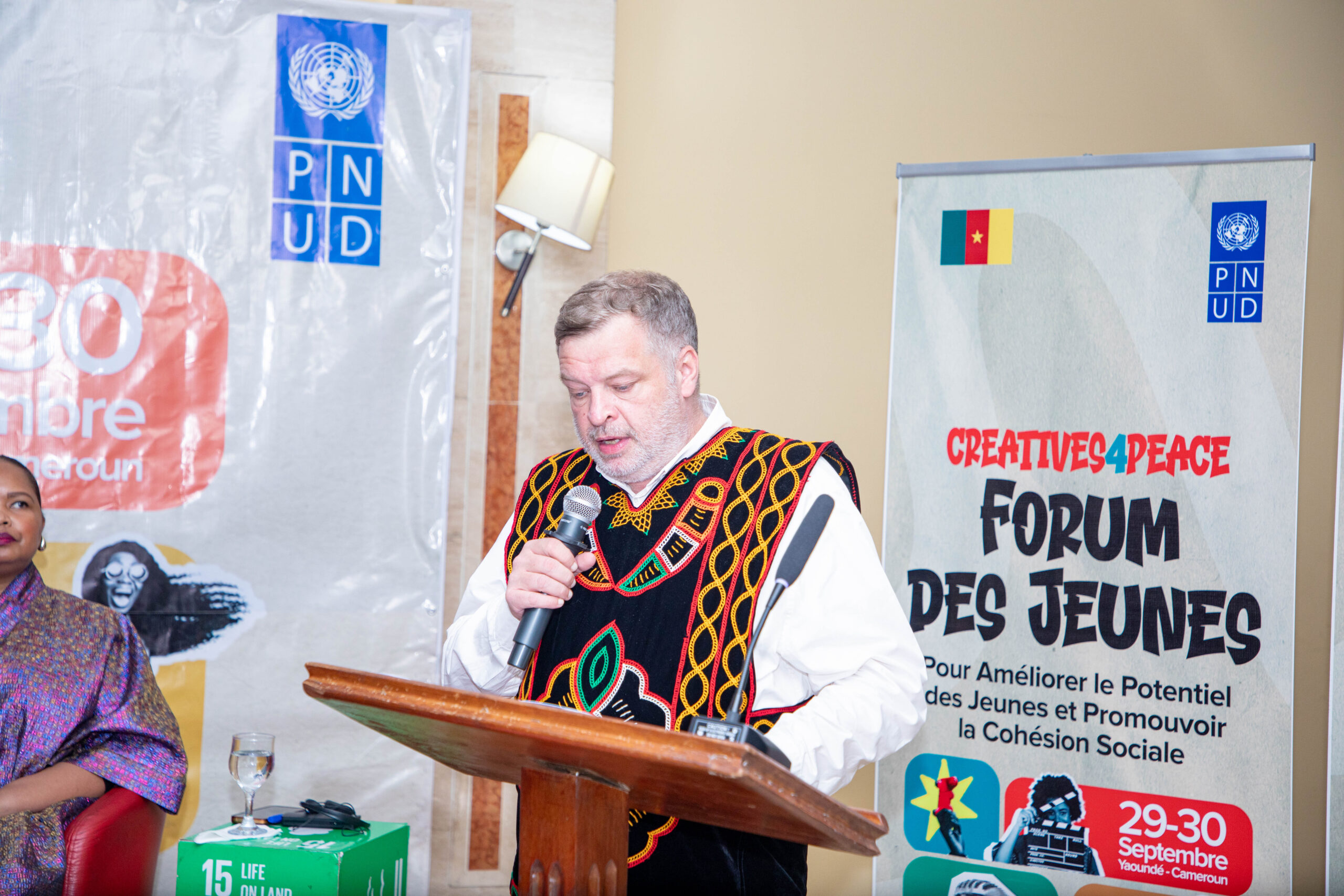
He added: “Africa's creative industries are already shaping global culture. Yet too many young creators still work informally and without sufficient access to finance, to skills, intellectual property protection technology and markets. Talent is abundant. Opportunity is not yet equally available. Here in Cameroon, UNDP has seen what becomes possible when young people receive space, support and a serious challenge…”
Mr. Hart-Hansen explained that the Yaoundé forum serves as a dedicated platform to explore issues affecting young people and foster a solution-based exchange that will yield rich recommendations for African youth.
“We will also explore how storytelling, artistic expression can strengthen social cohesion, help people listen across differences, challenge stereotypes, rebuild trust and create a stronger sense of belonging. Social cohesion does not mean that everyone must think or think in the same way. It means that our diversity becomes a source of connection and strength rather than division. We will consider how technology can expand the reach and income of creators while encouraging authentic, constructive and responsible narratives. We will ask how creative voices can counter exclusion, misinformation and polarization. And open safer spaces for dialogue, especially for young people. And we will seek recommendations that governments, regional institutions, development partners in the private sector and creators themselves can take forward across countries and communities. This cannot be a regional conversation about young people without young people from across the region,” Hart-Hansen concluded.
Addressing Protection and Financing for Creators
Among the featured guest speakers at the ceremony, the floor was given to Pempho Chabvuta, a passionate development professional leading youth engagement and policy reform at the African Union Commission, who joined the forum virtually.
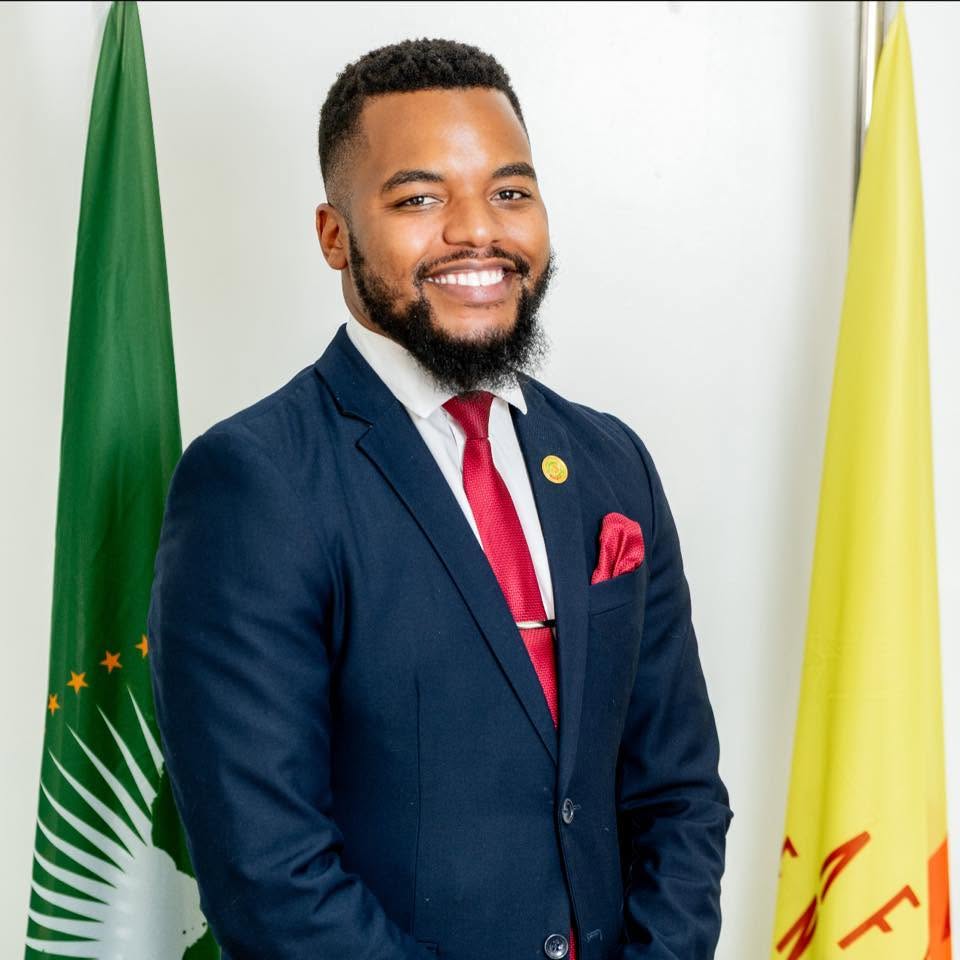
Mr. Chabvuta shared his experience with the young participants and highlighted critical systemic issues that need to be examined during the Yaoundé forum.
He stated: "This engagement note estimates that piracy captures between half and three quarters of revenue in the film industry, while only nineteen of the fifty-five African countries provide financial support to filmmakers. So perhaps one of the most important questions for these two days is: who protects the African creator? And another: who finances the African creator? Creatives often work through irregular and project-based income. Conventional finance may therefore classify them as high risk, even where their intellectual property and audience have considerable value. We need to think differently. That means exploring financial products suited to creative cash flows, including micro-grants, blended finance, revenue-based models, and approaches that recognize intellectual property as an economic asset. It also means confronting the opportunities and risks of the digital economy. Streaming, social media and e-commerce have given a young creator in Yaoundé, Lilongwe, Nairobi or Lagos access to audiences that previous generations could not have imagined."
Unleashing Youth Potential for Lasting Peace
While officially opening the session, the Minister of Youth Affairs and Civic Education, Mounouna Foutsou, underscored the need to maximize youth potential across all development levels.
“Our continent does indeed possess extraordinary creative potential, driven by a young generation that is inventive, bold and deeply attentive to the changes of their time. However, for this creativity to fully unleash its transformative potential, it must be structured, supported, valued and nurtured," Minister Foutsou stated. "This is precisely what makes this Forum so relevant. It urges us to look beyond the purely artistic dimension of creative expression and to embrace cultural and creative industries as genuine tools for dialogue that bring communities together and build lasting peace. Music, cinema, theatre, fashion, the visual arts, digital media, design, slam poetry and creative entrepreneurship can thus help turn differences into assets, frustrations into constructive forms of expression, and talents into opportunities.”
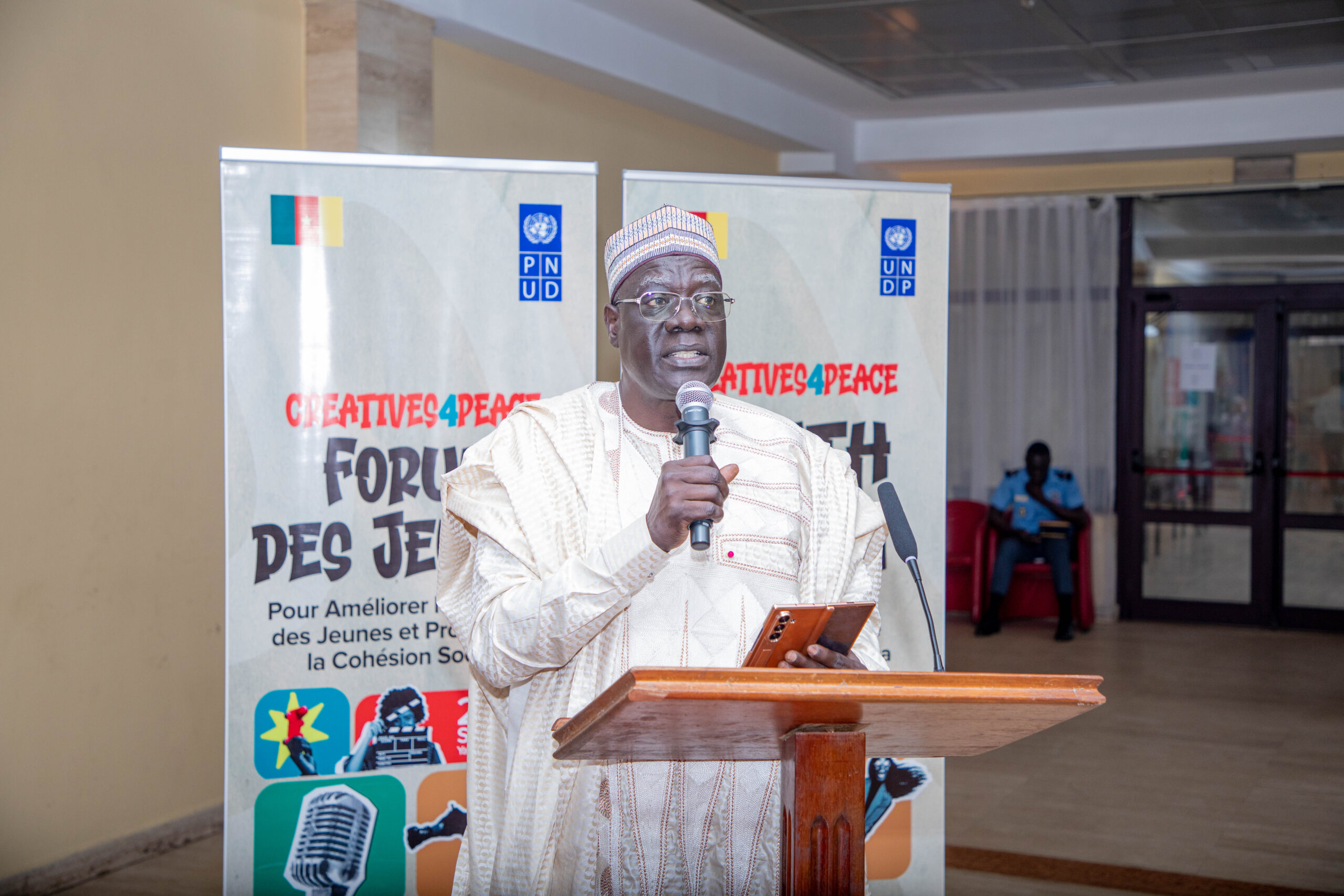
Minister Mounouna Foutsou added: “The meeting is being hosted on the heels of the recently celebrated 45th International Day of Peace, which our country observed with great enthusiasm under the theme: ‘Invest in Peace, for Everyone, Everywhere, Every Day’. This celebration was preceded by a public discussion panel held last 16 September, focusing on this very important theme, and was followed on 19 September by a Peace March organized in Yaoundé and in several major cities across the country. This campaign provided an opportunity to engage with local communities and raise awareness about some particularly shocking forms of violence that plague our families and undermine the fabric of our society, such as femicide and infanticide. It reminds us, therefore, that peace-building also begins within our families, our neighborhoods, our communities and the spaces where we live our daily lives.”
Expanding Continental Policy for Peace and Security
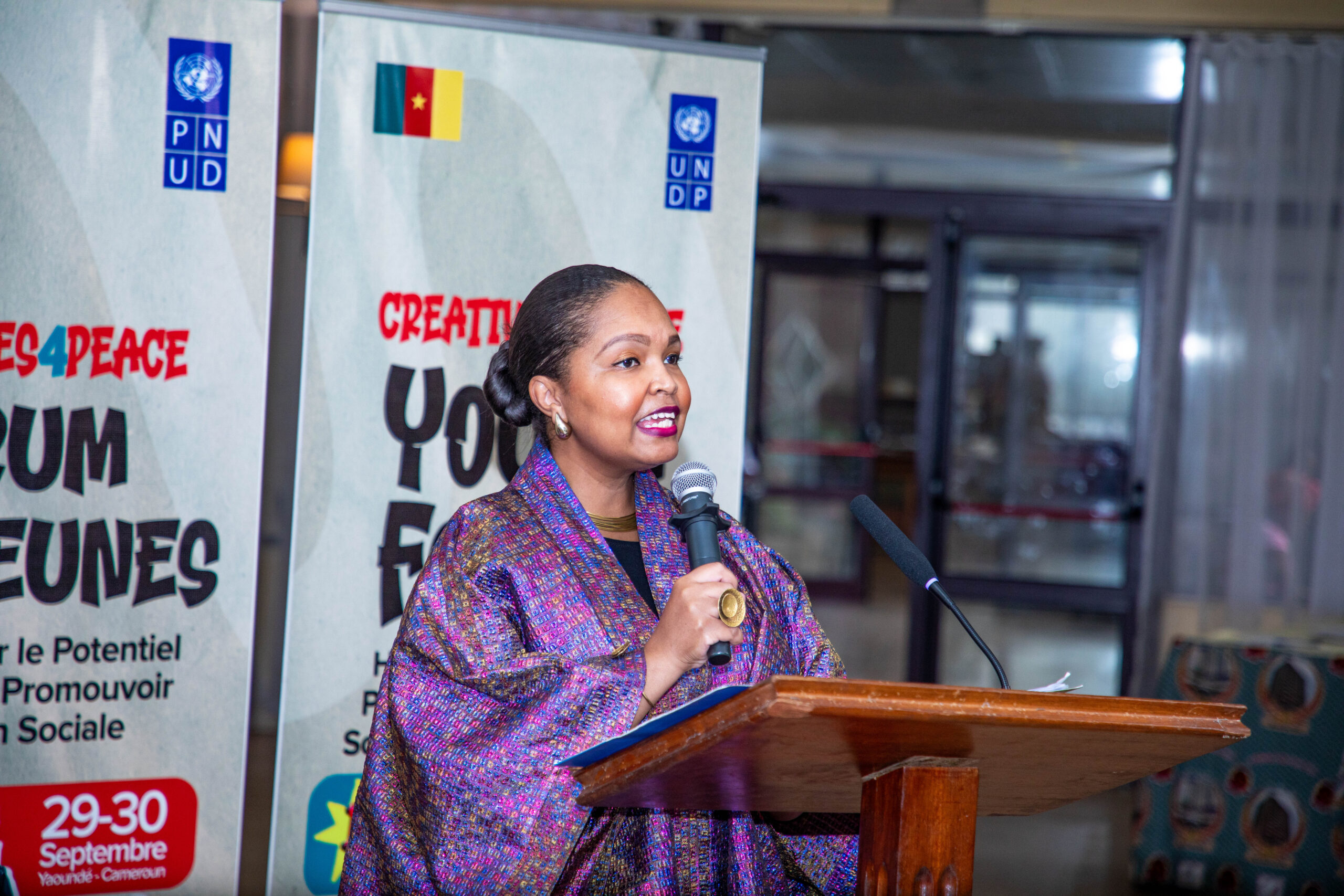
Speaking to media professionals, Ms. Prudence Nonkululeko Ngwenya, Director of the Women, Gender, and Youth Directorate at the African Union Commission, stated:
“Peace is always a priority. I mean, this is really the foundation of the United Nations — is peace. And as UNDP, we've been actively working on the youth, peace and security agenda. Last year we celebrated ten years of the women, peace and security agenda. And we note that in 2024 we have a new Agenda for Peace. And the new Agenda for Peace also challenged every nation to look at peace quite holistically. It also emphasized the need for more of a push for implementation of the youth, peace and security agenda. Linked with that, as mentioned by the speakers, the cultural and creative industries are a core part of sustainable development and already play a key role in terms of social cohesion and peace. So really our effort is to emphasize that. What are the barriers that exist? For example, we know barriers in conflict areas or for women. What are the enabling policies that are there to really support this rapidly growing industry in the continent? And how do we support youth not only in the cultural and creative industries in and of itself, but really as a vessel to contribute to peace, to social cohesion — as we've heard, it transcends boundaries. It transcends different social groups. It transcends political differences. So, it is a very important tool and, as also highlighted by the African Union, looking at the continental enabling policies.”
Young Artists Leading as Spearheads for Change
Renowned Cameroonian musical artist Stanley Enow praised the initiative and expressed his warm gratitude to the government and the UNDP for partnering with the Stanley Enow Foundation for this event.
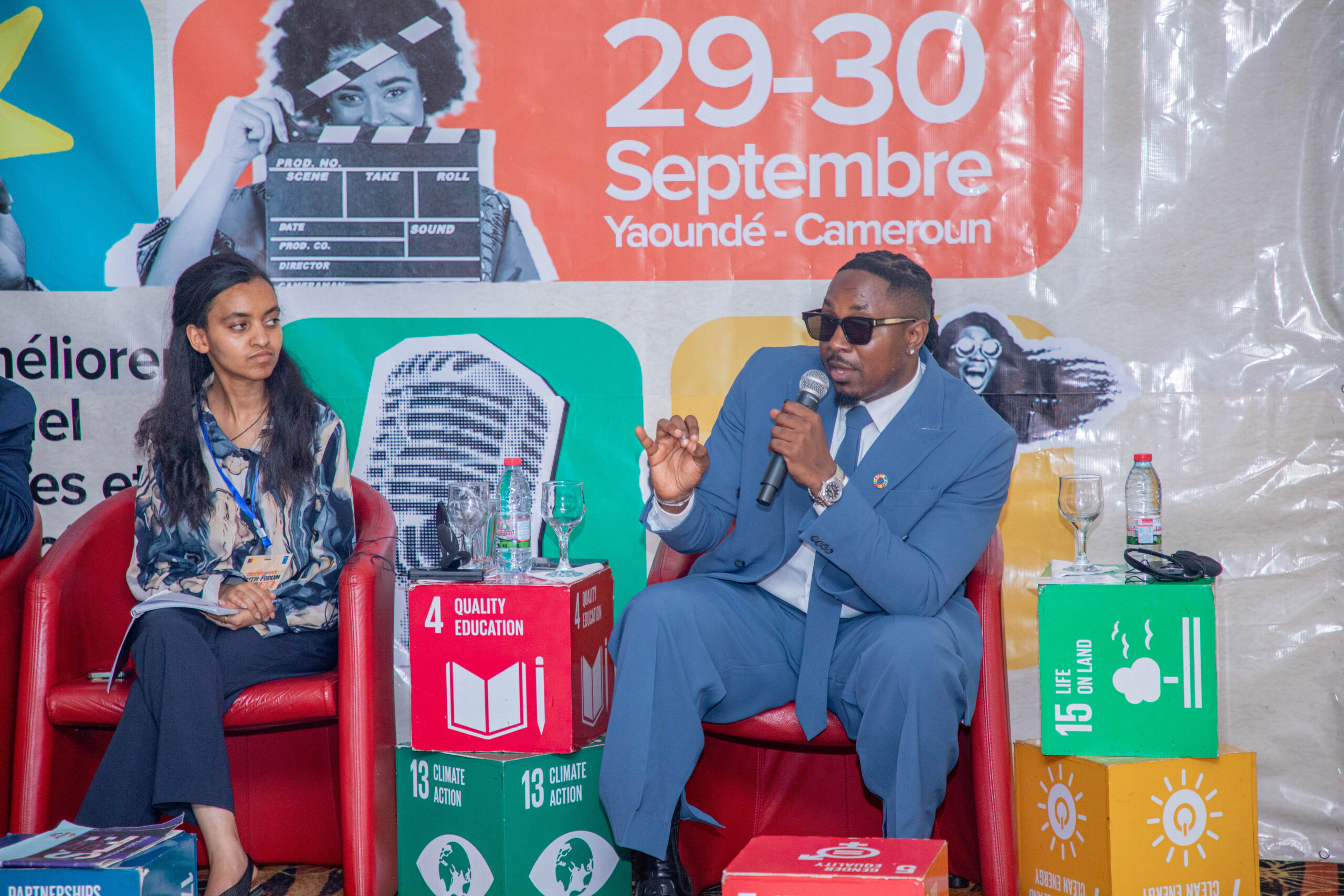
He stated: “I think begging for peace is something that is eternal. We need to beg for peace and as creatives, we owe it as our responsibility to make sure that we create conducive grounds to ensure that key messages are being passed on to this beautiful generation that we want to create. So, joining the voice of my foundation and my voice as an artist with the UNDP, it is more to let the young ones know that being creative is great, but being peaceful is even better. We are trying as much as possible to make sure that we create safe grounds for young people to thrive, young women to thrive, our mothers, our sisters, our fathers. And it is also our responsibility because whether you like it or not, music, arts, craft — those are the abstract things that really help people de-stress in moments of stress. So, if you want to relieve people, make sure that you have messages that are key and very essential to make sure that social cohesion remains a must and peace remains a must. So definitely my presence here today is to support this beautiful cause, because from the very start of my humble career, we have always tried as much as possible to push an agenda whereby the young people can listen to us and know that they can thrive.”
Temwah, a young female artist from Malawi, also encouraged her peers to act as vectors of change through their music and art.
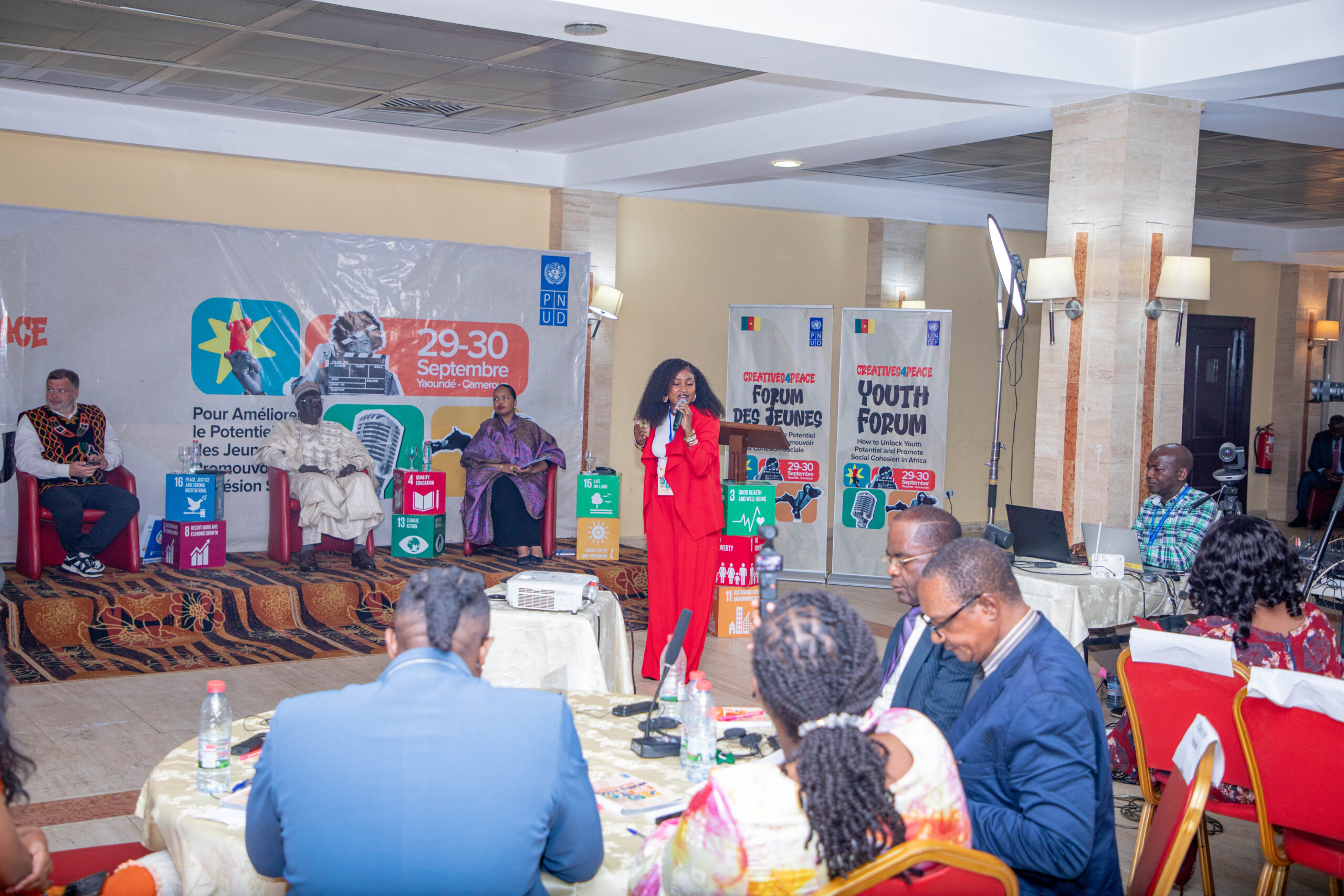
“What I would encourage for the youth in Cameroon, the young creators in Africa, is that they should really take collaboration seriously into also making music that is of substance and that they can spread music for social change, bring out, educate, and also just change the narrative about peace here in Cameroon," Temwah noted. "So we should collaborate so that the numbers are bigger, the audience is wider, that whatever product that we're making, we're able to reach a wider space and audience concerning issues affecting us creatives.”
Turning Creativity into Policy and Investment
A major highlight of the forum is the presentation of the preliminary findings from a comprehensive UNDP study. This research evaluates how the Cultural and Creative Industries (CCI) sector contributes to unlocking youth potential and achieving the Sustainable Development Goals (SDGs) in Africa. The insights gained will help generate concrete policy recommendations to shape national and regional frameworks, including the African Union's Agenda 2063.