By Elise Kenimbeni
Yaoundé, Cameroon – Government officials, human rights experts, and civil society organizations gathered in Yaoundé on August 26, 2026, to enrich Cameroon's sixth and seventh periodic reports on the implementation of the Convention on the Elimination of All Forms of Discrimination Against Women (CEDAW). Minister of Women’s Empowerment and the Family, Pr. Marie-Thérèse Abena Ondoa, and UNCHRD-CA Director Nouhoum Sangaré led discussions addressing progress, remaining challenges, and an alarming rate of femicide in the country.
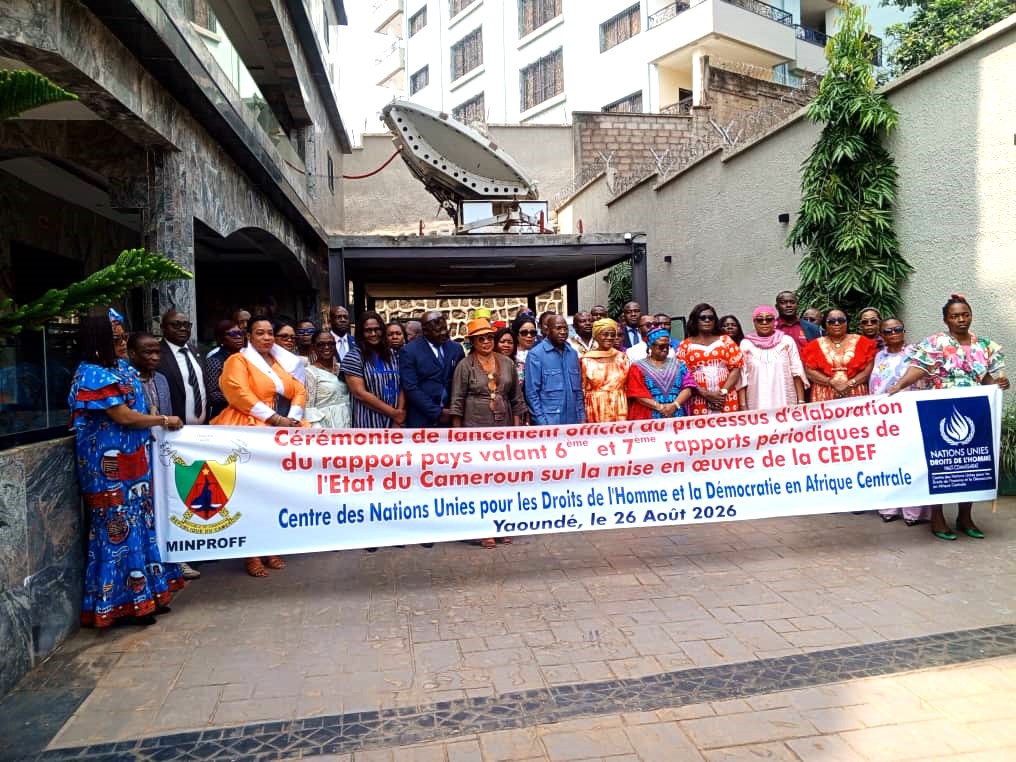
Speaking at the start of the workshop, the Regional Representative of the Office of the High Commissioner for Human Rights and Director of the United Nations Centre for Human Rights and Democracy in Central Africa (UNCHRD-CA) stated that the meeting aimed to review and strengthen the draft national report before its submission to the CEDAW Committee. He noted that the document highlights achieved progress, remaining obstacles, and opportunities to advance the promotion and protection of the rights of women and girls in Cameroon.
Mr. Nouhoum Sangaré stated: “The workshop bringing us together today is therefore of particular importance. It marks a decisive step in the process of drafting the National Report. It provides a valuable forum for dialogue, consultation, and the collective refinement of the document—ensuring that it accurately reflects national realities, the progress achieved (which deserves recognition), the obstacles encountered, and the envisaged course of action.”
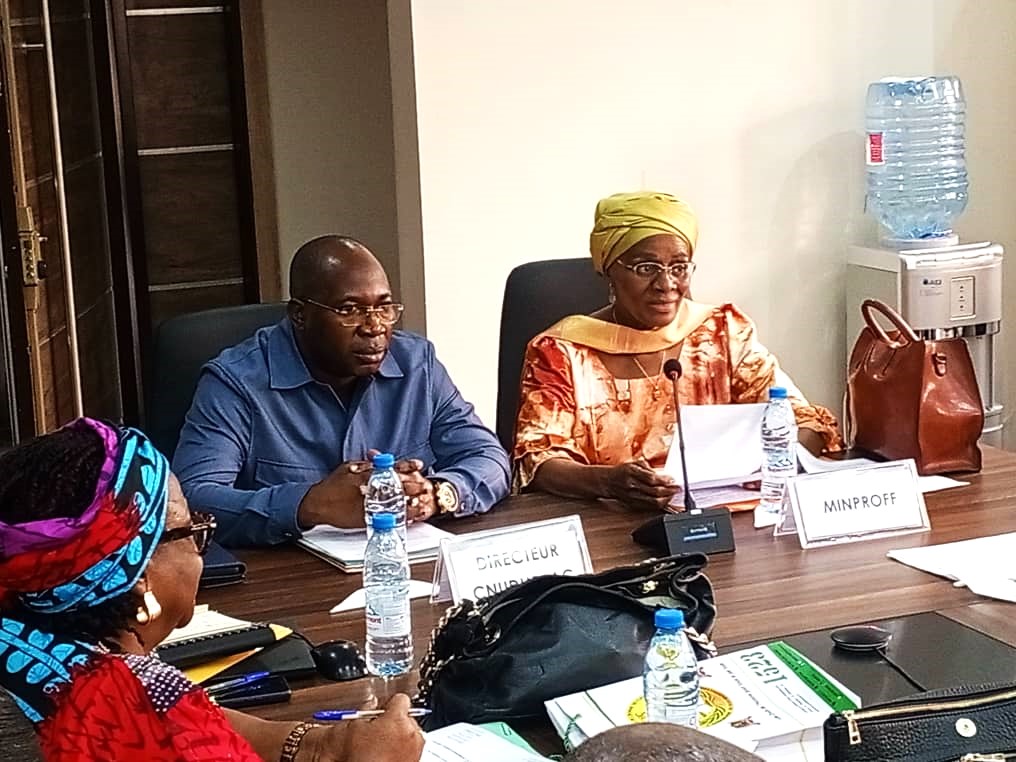
The UNCHRD-CA Director praised government officials for ensuring the crucial report was inclusive by bringing together all relevant stakeholders. This periodic report, to be presented in a few months in Geneva, Switzerland, will highlight Cameroon's successes toward its National Development Strategy 2020–2030, which explicitly aims to reduce gender gaps to boost the national economy.
Taking the floor, Pr. Marie-Thérèse Abena Ondoa, Minister of Women’s Empowerment and the Family, decried the alarming rate of femicide in Cameroon. She castigated the recent rise in murders targeting women, emphasizing that the current situation requires collective concern and immediate action. Minister Abena Ondoa reassured the public that the government is actively working to implement laws and measures to halt the scourge.
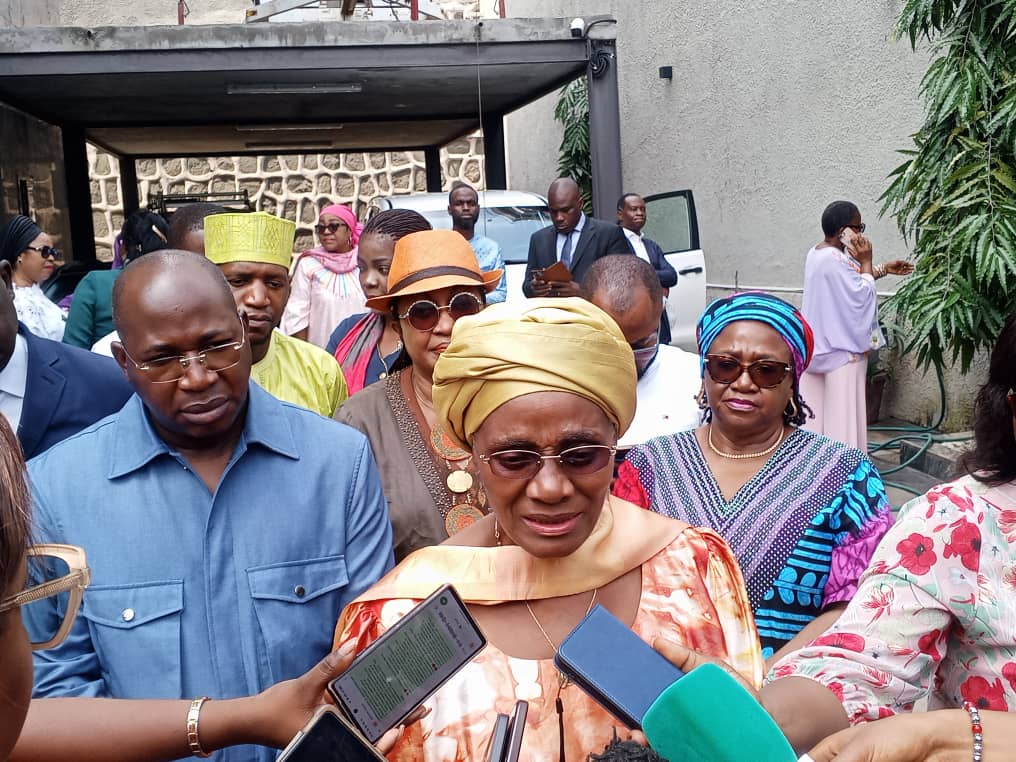
Speaking to media practitioners, she said: “There is a lot of groundwork being done on the protection of women's rights at the level of families and even children's rights, in the face of the various plagues that our society is experiencing at the moment. No one has remained indifferent. You have followed the speech of the Head of State, who has dedicated this new mandate to young people and women. You have followed the release of the First Lady on March 8, who condemned violence, especially femicide. She carried out an enterprise action. I will not mention all the actions that civil society is taking to condemn all these forms of discrimination and violence against women. And for several years, to fill the gap you mentioned, a bill is still being worked on—a bill on violence against women and children. This bill has dragged on, but it has dragged on for a good cause because we need to have a document in which everyone can identify themselves. Because the review of the Penal Code of 2016 made a lot of progress, but we estimated that a specific document was needed to sanction the violation of women's rights—that is, all the violence that women and children are suffering today…”
The Minister added that the government has established a battery of measures to be released in the upcoming days to stop the increasing rates of rape, murder, and femicide observed nationwide.
She continued: “With the phenomenon we are living—we have been going through in the past years, where women are murdered, mutilated, and it goes to social media, children are raped, children are murdered, and it is unbearable. This is why, for the past few years, a specific law to sanction violence against women and children has been drafted. And this law is sufficiently advanced because several sessions have taken place in the Prime Minister's office. And I think that the last time we met, we reached a consensus because there were some positions that we did not agree on. So, I'm thinking that the next step is the finalization of that consensual document that will be sent to the high authority of the state—which I mean the President of the Republic—and subsequently be sent to the parliament for adoption. We are hoping that that will take place soon because what we are living nowadays is unbearable. Can you imagine that what came to our knowledge is eight women murdered under very tragic circumstances within one single week…
As Cameroon finalizes its sixth and seventh periodic reports, its upcoming presentation before the CEDAW Committee in Geneva carries profound significance.
This process is not merely a diplomatic formality; it represents a critical mechanism for national accountability and international alignment.
By submitting itself to this global scrutiny, Cameroon reaffirms its binding commitment to international human rights standards, transforming global treaties into concrete domestic protections. The pending bill on violence against women and children, alongside the strict implementation of the National Development Strategy 2020–2030, offers a historic opportunity to turn the tide against gender-based violence. Ultimately, translating these institutional reports into lived realities will be the true measure of success—ensuring that the legal frameworks discussed in Yaoundé effectively safeguard the lives, dignity, and futures of women and girls across the nation.